
On this page
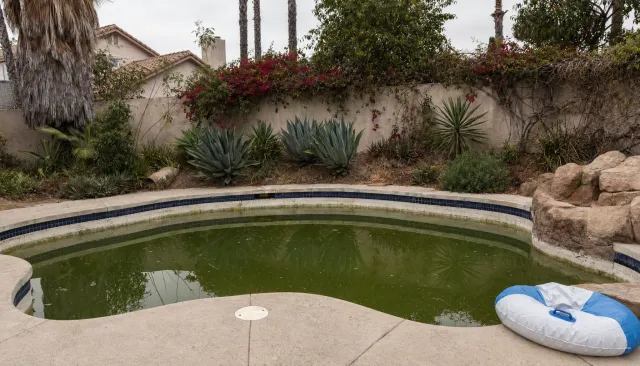
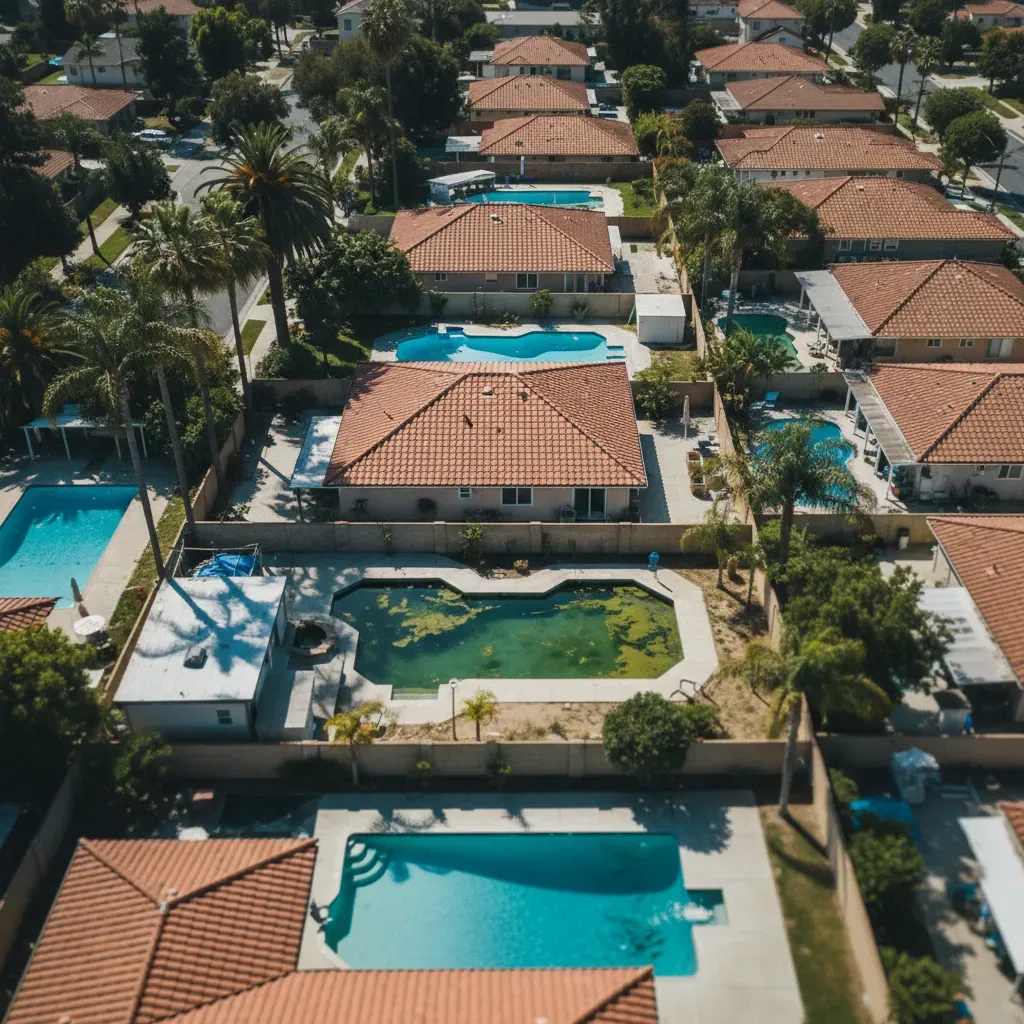
Ever gazed into your once-crystal-clear pool only to find it's taken on an unwelcome green tint? If you're a San Diego pool owner, you face unique challenges that make algae prevention an ongoing commitment. Our year-round sunshine, warm temperatures, and hard water create conditions that algae absolutely love. Here's what you need to know about keeping your pool clear despite our algae-friendly climate.
Why Your San Diego Pool Is an Algae Magnet
1. That Famous Southern California Sunshine
Algae are photosynthetic organisms that thrive with abundant light exposure. Unlike pools in cloudier climates, San Diego pools receive consistent, intense sunlight nearly every day throughout the year. Without proper preventative measures, this creates the perfect conditions for algae to thrive. Standard algae prevention strategies need to be adapted for our intense sun exposure.
2. Our Year-Round Warm Temperatures
San Diego's mild climate means there's never a true winter dormancy period that helps control algae in colder regions. In San Diego, algae maintenance is a year-round commitment that requires consistent attention. The warm water temperatures support continuous algal growth cycles without the seasonal breaks that pools in other parts of the country enjoy.
3. San Diego's Notorious Hard Water
Our region's mineral-rich hard water contains minerals that interfere with chlorine effectiveness while simultaneously providing nutritional resources that algae uses to grow. High evaporation rates in our dry climate necessitate frequent refilling, which introduces additional minerals into the system. This creates unique chemical balance challenges specific to the San Diego area.
4. Our Outdoor Lifestyle Means Heavy Pool Use
San Diego's outdoor-oriented lifestyle means pools get heavy use year-round. This introduces organic contaminants including oils, lotions, and perspiration that consume chlorine and provide nutrients for algae growth. More pool use demands correspondingly more vigilant maintenance protocols.
Know Your Enemy: Common Algae Types in San Diego Pools
1. Green Algae: The Usual Suspect
Green algae is what most people picture when they think of pool algae - that slimy, green film that can turn your pool water cloudy and uninviting almost overnight. It's the most common variety encountered in San Diego pools. While it spreads rapidly when chlorine levels drop, it's also the easiest type to treat with standard chlorine shock treatments.
2. Yellow/Mustard Algae: The Sneaky Invader
Yellow algae disguises itself as pollen or sand in shaded pool areas. This variety is actually more difficult to eliminate than its green cousin and demonstrates resistance to standard chlorine concentrations. It can also be transmitted between pools via toys, equipment, and swimwear, making it a persistent problem.
3. Black Algae: The Stubborn Squatter
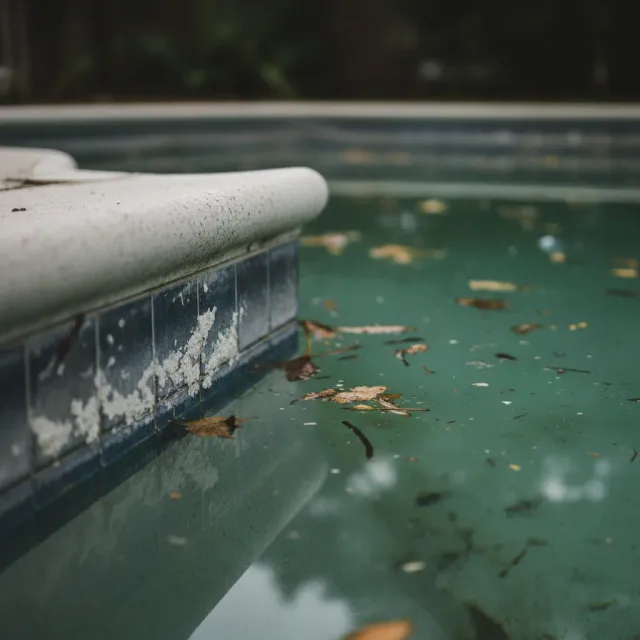
Black algae appears as dark spots on pool surfaces and embeds itself into porous materials like plaster and concrete. This variety isn't just sitting on surfaces - it literally roots itself into porous materials, making it extremely difficult to remove. The protective layers it forms resist chlorine treatment, making eradication exceptionally difficult without specialized professional intervention.
Your Battle Plan: Preventing Algae in San Diego Pools
1. Commit to Consistent Cleaning
Physical maintenance through weekly brushing disrupts algae colonies before they can establish. Daily skimming removes organic matter that sustains algae growth. Make this cleaning routine as non-negotiable as brushing your teeth - even a week of neglect can give algae the foothold it needs.
2. Optimize Your Filtration System
Operating filters 8-12 hours daily in our warm climate prevents stagnant water zones where algae concentrates. Regular filter maintenance through cleaning or backwashing maintains effectiveness. Consider variable-speed pumps, which allow for extended operation periods with reduced energy consumption.
3. Master Your Water Chemistry
Maintain these recommended chemical ranges for San Diego pools: chlorine at 1-3 ppm, pH at 7.4-7.6, alkalinity at 80-120 ppm, and calcium hardness at 200-400 ppm. Test weekly, and twice weekly during summer. Consider adding phosphate removers to address another major algae nutrient source common in local water supplies.
4. Make Shock Treatment Part of Your Routine
Weekly to bi-weekly shock treatments during summer and monthly during winter form essential protocols for San Diego pools. Additional shocking should follow heavy pool usage or significant rainfall. Always apply shock treatment in the evening to prevent rapid chlorine degradation from our intense solar radiation.
5. Consider Advanced Protection Measures
Supplemental algaecide applications during warm months provide an extra layer of protection. Pool covers reduce both debris accumulation and solar exposure. UV-sanitizing systems can complement traditional chemical treatments effectively in San Diego's sunny environment.
When Algae Strikes: Your Recovery Plan
1. Start With Aggressive Brushing
Immediate vigorous brushing disrupts algae cellular structures and enhances chemical treatment effectiveness. Give special attention to shaded areas, steps, corners, and ladder positions where algae prefers to grow. Choose your brush based on surface material - stiff brushes for concrete and plaster, softer options for vinyl and fiberglass.
2. Apply the Right Algaecide for Your Situation
Different algae types require specific treatments: copper-based products work well for green algae, quaternary ammonia compounds target yellow varieties, and specialized high-concentration formulations are needed for black algae. Follow manufacturer instructions precisely to avoid creating additional water balance problems.
3. Shock at Higher Levels
Light green algae blooms require double-dose shocking, while serious infestations may need triple or quadruple standard amounts. Run your filter continuously following shock treatment until water clarity is fully restored. Clean the filter frequently during recovery to remove accumulated dead algae.
4. Consider Professional Intervention
Stubborn black algae, recurring infestations despite proper maintenance efforts, and severely neglected pools all warrant expert assistance. Professional providers have access to commercial-grade treatments and specialized equipment that aren't available to homeowners, plus regional expertise that helps address San Diego-specific challenges.
When to Call the Professionals
Professional intervention becomes appropriate when you're dealing with:
- Persistent black algae infections that resist home treatment
- Recurring algae despite following proper maintenance protocols
- Severely neglected pools with established algae colonies
- Pools with outdated equipment unable to maintain proper circulation
- Situations where water chemistry remains consistently unbalanced
Professional services like PoolLogic San Diego offer specialized treatments, equipment, and local expertise that can solve even the most stubborn algae problems.
Frequently Asked Questions
Why does my pool get algae even with proper chlorine levels?
San Diego's sunny climate degrades chlorine rapidly. Levels that are adequate in the morning can become insufficient by afternoon. Our hard water and high UV exposure require higher chlorine concentrations compared to other regions.
How quickly can algae take over my pool?
In our warm climate with abundant sunshine, a pool can develop visible algae in as little as 24-48 hours. Consistent maintenance is essential to prevent rapid escalation from a minor issue to a major problem.
Is it safe to swim in a pool with algae?
While most algae varieties aren't directly toxic, they harbor bacteria and microorganisms that can cause infections or skin irritations. Algae also creates slippery surfaces and reduces water visibility, creating safety hazards.
How can I prevent algae when I'm away on vacation?
Before leaving, shock the pool, balance all chemicals, and add a maintenance-dose algaecide. Consider hiring a professional for check-ins during your absence, and use an automatic pool cover to reduce algae growth while you're away.
Why does my pool get algae shortly after professional cleaning?
This can indicate incomplete treatment, particularly with black algae that may survive in porous surfaces. It may also suggest underlying circulation, filtration, or chemistry issues that need professional identification and resolution of root causes.
Final Thoughts
Maintaining an algae-free pool in San Diego requires understanding the unique environmental factors our region presents. With consistent maintenance, proper chemical balance, and timely intervention at the first sign of problems, you can enjoy a crystal-clear pool year-round despite our algae-friendly climate. For persistent issues or professional guidance tailored to San Diego's specific conditions, PoolLogic offers customized solutions to keep your pool in perfect shape.
FAQ
Frequently asked questions
Why does my pool get algae even with proper chlorine levels?
San Diego's sunny climate degrades chlorine rapidly. Levels that are adequate in the morning can become insufficient by afternoon. Our hard water and high UV exposure require higher chlorine concentrations compared to other regions.
How quickly can algae take over my pool?
In our warm climate with abundant sunshine, a pool can develop visible algae in as little as 24-48 hours. Consistent maintenance is essential to prevent rapid escalation from a minor issue to a major problem.
Is it safe to swim in a pool with algae?
While most algae varieties aren't directly toxic, they harbor bacteria and microorganisms that can cause infections or skin irritations. Algae also creates slippery surfaces and reduces water visibility, creating safety hazards.
How can I prevent algae when I'm away on vacation?
Before leaving, shock the pool, balance all chemicals, and add a maintenance-dose algaecide. Consider hiring a professional for check-ins during your absence, and use an automatic pool cover to reduce algae growth while you're away.
Why does my pool get algae shortly after professional cleaning?
This can indicate incomplete treatment, particularly with black algae that may survive in porous surfaces. It may also suggest underlying circulation, filtration, or chemistry issues that need professional identification and resolution of root causes.

Kyle Bowman
Founder of PoolLogic · CPO-Certified
Kyle is the Founder of PoolLogic Pool Service and a Certified Pool Operator (CPO) with deep expertise in pool service, water chemistry, and pool equipment repair. He oversees every aspect of PoolLogic's operations to ensure San Diego pool owners receive expert-level care.
Read morePool service done right
Need professional pool service?
PoolLogic Pool Service provides expert pool cleaning, maintenance, and repair services throughout San Diego County.