
On this page
Saltwater pools are a fun and relaxing way to enjoy the sunny San Diego weather, but sometimes they can run into a few problems. Keeping your pool in top shape, from cloudy water to tricky salt levels, takes a little know-how and care.
Whether you're dealing with strange smells, slippery surfaces, or a pool that won't stay clear, you're not alone. These common saltwater pool issues can be fixed quickly with the right tips and a little help. If you're searching for saltwater pool repair near you, you're already one step closer to having your sparkling pool back in action!
Salt Cell Buildup and Scaling
What You'll Notice
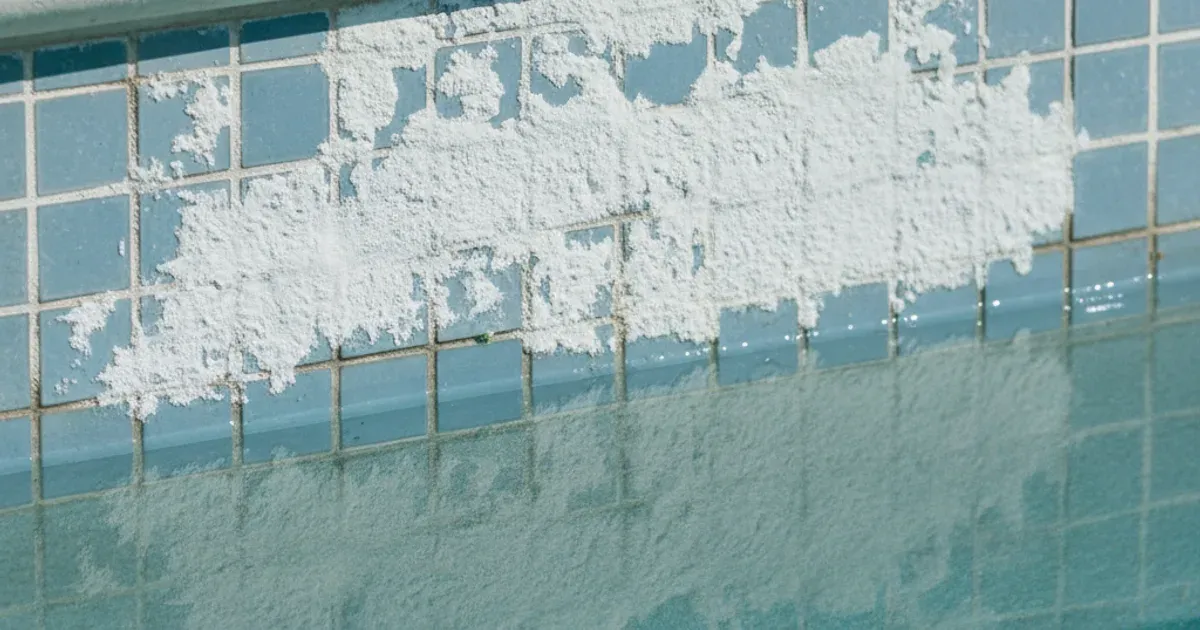
If your saltwater pool starts looking a bit cloudy or the chlorine levels seem low, it might be due to scale buildup on the salt cell. This happens when minerals, especially calcium, stick to the cell's metal plates, making it harder for the system to produce chlorine. You might even spot white flakes floating in the water or feel rough spots on pool surfaces.
The Fix
Start by switching off your pool system before removing the salt cell. Give it a good rinse with a garden hose to clear out any loose debris. If there's still buildup stuck on, you can soak the cell in a mix of water and muriatic acid, typically 4 parts water to 1 part acid, for about 15 to 20 minutes. Just make sure to follow the safety tips and instructions from the manufacturer. Once it's done soaking, rinse it off thoroughly and pop it back into place.
Prevention Tip
Keeping your pool water balanced goes a long way in preventing scale buildup. Try to check the pH and alkalinity levels regularly, aim for a pH between 7.2 and 7.8 to keep things in check. It's also a good idea to run the salt cell only while the pump is on. If you can, turn the cell off about half an hour before the pump shuts down. This gives it time to cool, which helps lower the risk of scale forming inside.
Salt Cell Reaching End of Life
What You'll Notice
When your salt cell starts to reach the end of its life, you might notice that it doesn't work as well as before – the pool may get cloudy even after cleaning, and sometimes the salt cell might show signs of wear, like worn-out metal or leaks. These little changes are like clues telling you that it might be time to think about replacing the salt cell.
The Fix
If you notice that your salt cell isn't producing enough chlorine even when it's clean, the best fix is to replace it with a new one. Replacing the cell might seem tricky, but you can either call a pool service professional or, if you're comfortable with a little DIY, follow clear instructions from the manufacturer. Taking the time to replace your salt cell ensures that your pool can keep offering that clean, fun, and comfortable swimming experience.
Cost-Saving Tip
Want to save money on your pool in the long run? Staying on top of regular maintenance can make a big difference. Cleaning your salt cell regularly and checking how it's working can help you spot any issues early and avoid pricey repairs down the line. And if you're planning to replace the salt cell yourself, take a bit of time to compare prices online. You might find better deals from reliable suppliers, which can help you cut costs while keeping your pool running smoothly.
Salt Levels Too Low
What You'll Notice
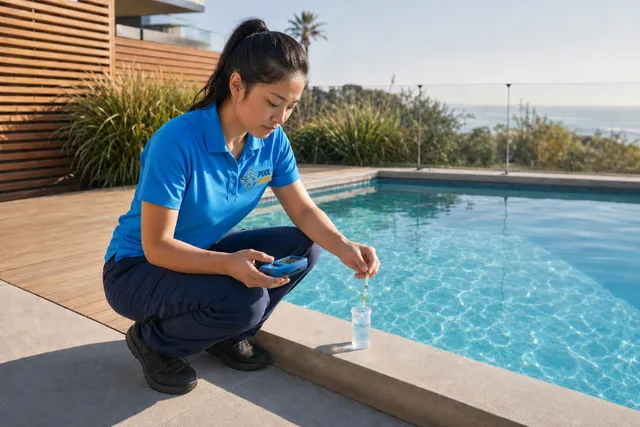
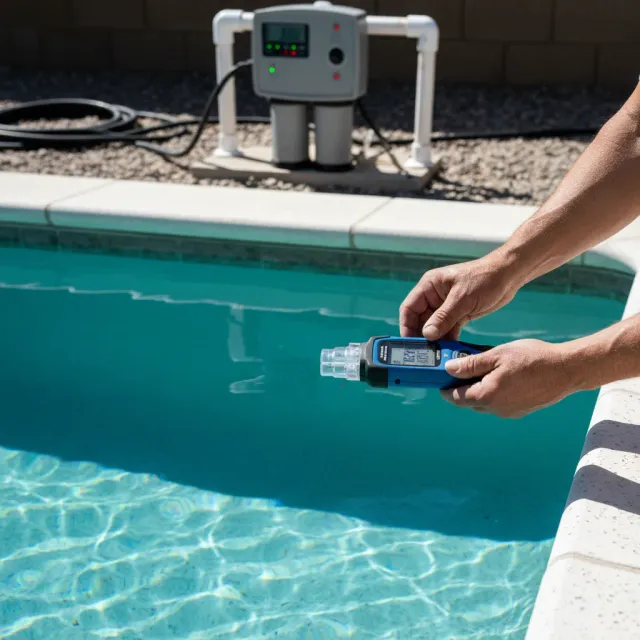
When the salt level in your pool is too low, you might see a warning light on your pool system or hear it "say" that it needs more salt. The water may also look a little less sparkly or feel different because the salt helps the system make enough chlorine to keep your pool safe and clean. You can check the water with special test strips and see if the salt reading is lower than the ideal range of about 2,700 to 3,500 parts per million (ppm).
The Fix
The fix is pretty simple: add a little more pool salt to get the levels back to the right number, just like adding the right amount of salt to a recipe for perfect flavor. Make sure you add the salt slowly, then let the water run and mix in all the salt before testing again. Follow the directions on your pool salt package and use a test kit to check until your pool reaches the perfect amount.
Local Tip
If you're in a sunny place like San Diego, the water in your pool can change quickly because of the heat and evaporation. It's a great idea to check the salt levels regularly, especially after a long day of swimming or a big rain, to keep your pool working its best. And if you ever need a little extra help, ask a local expert or the best saltwater pool service in San Diego for advice — they know the tricks to keep your pool crystal clear.
Key Takeaway: By keeping your salt levels just right, you'll ensure that your pool stays safe, sparkling, and fun for everyone!
Salt Levels Too High
What You'll Notice
When your pool has too much salt, it might taste extra tangy and even show warning messages from the salt chlorine generator. In some cases, you may even see extra white deposits or scaling on the cell or metal parts because too much salt can speed up corrosion.
The Fix
The fix for high salt levels is to carefully lower the concentration by partially draining your pool and refilling it with fresh water. Make sure you let the water circulate for a day or so after refilling, then test the salt level again to confirm it's back within the ideal range of about 2,700-3,500 ppm.
Environment Note
It's important to know that water with too much salt can be harmful if it runs off into gardens or local waterways, which can damage plants and wildlife. That's why keeping your pool's salt levels balanced not only protects your pool equipment but also helps keep the local environment safe.
Key Takeaway: Keeping your pool's salt level balanced, making sure it's not too high and not too low, is essential for safe, sparkling water, long-lasting equipment, and a healthier local environment for everyone to enjoy.
pH Balance Problems
What You'll Notice
When the pH in your saltwater pool is too high, you might notice the water feels a bit slippery and can even make your eyes or skin sting a little. You may also see white, crusty deposits (called scaling) forming on the sides of your pool or on the salt cell, which is a sign that the water is too basic.
The Fix
The fix is to gently lower the pH by adding a little acid, like muriatic acid or dry acid, to the water (always have an adult help!). After adding the acid, let the water mix well and test it again with a pool test kit until the pH returns to a happy range between 7.2 and 7.6.
Why It Matters in San Diego
In sunny San Diego, keeping your pool's pH balanced is extra important because the warm, bright weather can speed up chemical reactions, which might make scaling worse and lower the pool's chlorine production. A well-balanced pH helps your pool stay clean, protects your pool equipment, and makes sure the water is comfortable for everyone to enjoy.
Key Takeaway: A balanced pH between 7.2 and 7.6 is essential for a clean and safe swimming pool, especially in the warm, sunny climate of San Diego, so always check and adjust your pool's water chemistry to keep your pool sparkling and your equipment in great shape.
Low pH Issues
What You'll Notice
When the pH level in your saltwater pool is too low, you might notice that your eyes and nose sting while swimming, and your skin feels dry or itchy afterward. Additionally, acidic water can corrode metal parts like ladders and railings, and damage the pool's plaster finish, leading to costly repairs.
The Fix
To raise the pH level safely, you can add baking soda (sodium bicarbonate) or soda ash (sodium carbonate) to the pool water. For instance, adding 1.5 pounds of baking soda per 10,000 gallons of water can help increase the pH. Always add chemicals gradually, allow the water to circulate, and retest the pH after a few hours to ensure it's within the ideal range of 7.2 to 7.6.
Key Takeaway: Maintaining the correct pH balance in your pool is crucial for swimmer comfort and the longevity of your pool equipment. Regular scheduled testing and adjustments help ensure a safe and enjoyable swimming environment for everyone all year round.
Power Supply Problems
What You'll Notice
If your saltwater chlorinator isn't working, you might see that its lights or screen are off, or it shows error messages. This could be due to a tripped circuit breaker, a blown fuse, or simply a loose plug. Sometimes, the chlorinator might not respond, which can happen if there's a power surge or the control panel is damaged.
The Fix
To fix power supply problems, first check if the chlorinator is plugged in properly and if the circuit breaker hasn't tripped. If everything seems fine but it's still not working, the issue might be inside the control panel, and you'll need a professional to take a look.
Safety First
Electricity and water can be a very dangerous mix. Always make sure to turn off the power before checking any equipment, and never touch electrical components with wet hands. If you're unsure about anything, it's best and safest to call a professional.
Key Takeaway: Keeping your pool's power supply in check ensures that your chlorinator can do its job, keeping your pool water clean and safe for everyone to enjoy. Regular checks and prompt fixes help prevent bigger problems down the line.
Flow Sensor Issues
What You'll Notice
When the flow sensor encounters problems, your pool system may display a "No Flow" warning, even if the pump is still running. This can result from debris blocking the sensor, air trapped in the lines, or a malfunctioning sensor. Regular scheduled maintenance helps prevent such issues.
The Fix
To address flow sensor issues:
- Inspect for Debris: Check and clean skimmer baskets, pump baskets, and filters to ensure they're free from blockages.
- Check Water Levels: Ensure the pool water level is adequate to maintain proper flow.
- Examine the Sensor: If problems persist, the flow sensor might need cleaning or replacement. Some users have found that unplugging and reconnecting the sensor can resolve minor issues.
San Diego Tip
San Diego's warm climate can lead to increased evaporation and debris in pools. Regularly checking and cleaning your pool's components can help prevent flow sensor issues, ensuring your pool remains clean and enjoyable all year-round.
Key Takeaway: Maintaining a functional flow sensor is crucial for your saltwater pool's health. Regular scheduled inspections and prompt attention to any issues will keep your pool system running smoothly, providing a safe and pleasant swimming environment.
Cloudy Water Despite Normal Chlorine Levels
What You'll Notice
Cloudy pool water often looks milky or dull, making it hard to see the bottom. This cloudiness can result from tiny particles suspended in the water, which are too small to settle or be captured by the filter. Common causes include:
- Poor Filtration: A clogged or inefficient filter can fail to remove fine particles, leading to cloudy water.
- Environmental Debris: Leaves, pollen, and other debris can introduce particles that cloud the water.
- Chemical Imbalances: Even if chlorine levels are normal, imbalances in pH, alkalinity, or calcium hardness can cause cloudiness.
The Fix
To clear up cloudy water:
- Check and Clean the Filter: Ensure your pool filter is clean and functioning properly. Backwash sand or DE filters, and clean or replace cartridge filters as needed.
- Run the Pump Longer: Increase the filtration time to allow the filter to remove more particles. Running the pump continuously for 24-48 hours can help clear the water.
- Balance Water Chemistry: Test and adjust pH, alkalinity, and calcium hardness levels to ensure they are within recommended ranges.
- Use a Pool Clarifier: Adding a clarifier can help small particles clump together, making it easier for the filter to remove them.
Filtration Advice
Maintaining an effective filtration system is crucial for clear pool water. Regularly inspect and service your filter, and ensure the pump is appropriately sized for your pool. In San Diego's warm climate, increased pool usage and environmental debris can strain the filtration system, so proactive maintenance is key.
Key Takeaway: Even with normal chlorine levels, cloudy pool water often results from filtration issues or chemical imbalances. Regular maintenance of your pool's filtration system and balanced water chemistry are essential to keep its water clear and inviting.
Algae Problems in Saltwater Pools
What You'll Notice
When algae invade your pool, you might observe:
- Green, Yellow, or Black Discoloration: Green algae are the most common, making the water appear murky. Yellow (mustard) algae cling to walls and shady areas, while black algae form stubborn spots on pool surfaces.
- Slippery or Slimy Surfaces: Algae make pool walls and floors slippery, posing safety risks.
- Cloudy Water: Algae can cause water to lose its clarity, making it look dull or hazy.
The Fix
To eliminate algae from your saltwater pool:
- Brush the Pool Surfaces: Use a pool brush to scrub all areas, especially those with visible algae. This helps to break up the algae and expose it to sanitizers.
- Vacuum the Pool: After brushing, vacuum the pool to remove the loosened algae and debris.
- Shock the Pool: Increase the chlorine level by adding a pool shock treatment. This helps to kill the remaining algae. Ensure the chlorinator is functioning correctly to maintain appropriate chlorine levels.
- Run the Pump and Filter: Operate the pool pump continuously for at least 24 hours to circulate the water and filter out dead algae.
- Test and Balance Water Chemistry: After shocking, test the water and adjust pH, alkalinity, and chlorine levels to their ideal ranges.
- Clean the Filter: Algae can clog filters, reducing their efficiency. Clean or backwash the filter to ensure proper filtration.
Local Consideration
San Diego's warm and sunny climate promotes algae growth due to higher water temperatures and increased sunlight exposure. To combat this:
- Regular Maintenance: Clean your pool regularly, including skimming debris, brushing surfaces, and vacuuming.
- Monitor Water Levels: San Diego's sunny weather can cause rapid evaporation, affecting salt concentration. Regularly test and adjust salt levels to maintain balance.
- Use Preventive Algaecides: Applying algaecides can help prevent algae growth, especially during peak summer months.
Key Takeaway: Regular maintenance, proper water chemistry, and vigilant cleaning are crucial in preventing and addressing algae issues in saltwater pools. By staying proactive, you maintain a safe and enjoyable swimming environment.
Frequently asked questions
How often should I clean my salt cell?
You should check and clean your salt cell every 3 to 6 months or more often if you notice white crusty build-up (called scaling). This helps it keep making chlorine efficiently.
Is it normal for my salt level to decrease over time?
Yes! Salt can get diluted or splash out. Top-ups are normal, especially after heavy rain or if you've had to add fresh water.
Why does my saltwater pool have low chlorine levels despite adequate salt?
Even with enough salt, your system might not make enough chlorine if the salt cell is dirty, worn out, or there's a water chemistry imbalance.
What should I do if my salt chlorinator displays an error code?
Check your manual or look up the code online. Many error messages relate to flow problems, salt levels, or sensor issues. Don't ignore them; they're trying to help!
What's the typical lifespan of a salt chlorinator?
Most salt cells last 3 to 7 years, depending on use and maintenance. If chlorine levels drop and cleaning doesn't help, it might be time for a new one.
Is a saltwater pool truly maintenance-free?
Not quite! It's lower maintenance than a chlorine pool, but you still need to test water, clean equipment, and occasionally replace parts.
How do I know if my salt cell needs replacement versus cleaning?
If cleaning doesn't fix low chlorine issues or you see physical damage, it's probably time to replace it.
Can I convert my traditional chlorine pool to saltwater myself?
While it's possible for handy folks, it's best to have a pro handle it to make sure the system works properly and safely.
How does San Diego's hard water affect my saltwater pool?
Hard water can cause scaling, which builds up on your salt cell and makes it less effective. Regular testing and cleaning are super important here!
How can I reduce energy costs for my saltwater pool?
Try using energy-efficient pumps, automation systems, and running your pump during off-peak hours. Keeping your system clean also helps it run smoother!

Kyle Bowman
Founder of PoolLogic · CPO-Certified
Kyle is the Founder of PoolLogic Pool Service and a Certified Pool Operator (CPO) with deep expertise in pool service, water chemistry, and pool equipment repair. He oversees every aspect of PoolLogic's operations to ensure San Diego pool owners receive expert-level care.
Read moreNeed professional pool service?
PoolLogic Pool Service provides expert pool cleaning, maintenance, and repair services throughout San Diego County.