
On this page
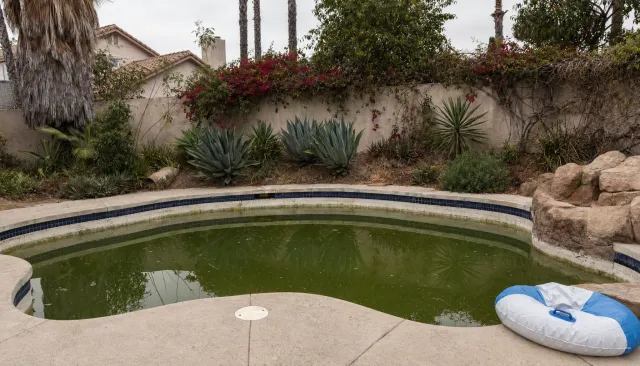
Keeping your pool clean and algae-free can feel like a never-ending battle. One day your water is crystal clear, and the next, you notice a greenish tint creeping along the walls. If you've ever dealt with this frustrating problem, you're not alone. Let's break down what causes algae, how to prevent it, and when it's time to call in the pros for algae removal.
Why Is This Happening? Understanding What Causes Pool Algae
Chemistry Gone Wild
When your chlorine levels drop below 1 ppm, your pool becomes an open invitation for algae. Elevated pH levels and alkalinity imbalances make it even easier for algae to take hold and spread rapidly.
Water That's Not Moving Enough
Dead spots in your pool, clogged filters, and insufficient pump operation create stagnant areas where algae thrives. Without proper circulation, even well-chlorinated water can develop algae problems in neglected corners.
Mother Nature Doing Her Thing
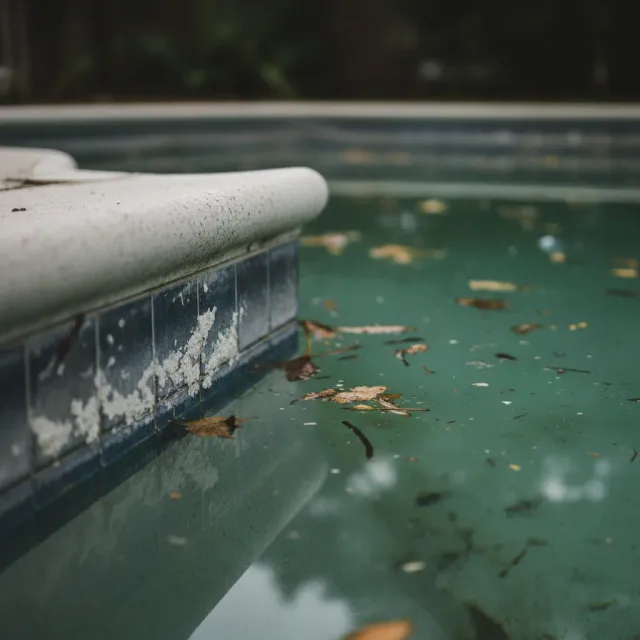
Organic debris like leaves, pollen, and dirt introduce nutrients that feed algae. Rain can dilute your pool chemicals, and abundant sunlight accelerates algae growth, especially during the warm summer months.
The Game Plan: 7 Real Ways to Keep Algae Out of Your Pool
1. Get Serious About Water Chemistry
Test your water at least twice a week during peak season. Maintain chlorine between 1-3 ppm, keep pH at 7.2-7.6, and monitor alkalinity (80-120 ppm) and calcium hardness (200-400 ppm). Consistent water chemistry is your first line of defense against algae.
2. Show Your Filter Some Love
Run your pump 8-12 hours daily to ensure complete water turnover. Clean your filter regularly, check for leaks monthly, and consider upgrading older equipment that may not be performing efficiently.
3. Clean Like Someone's Coming Over
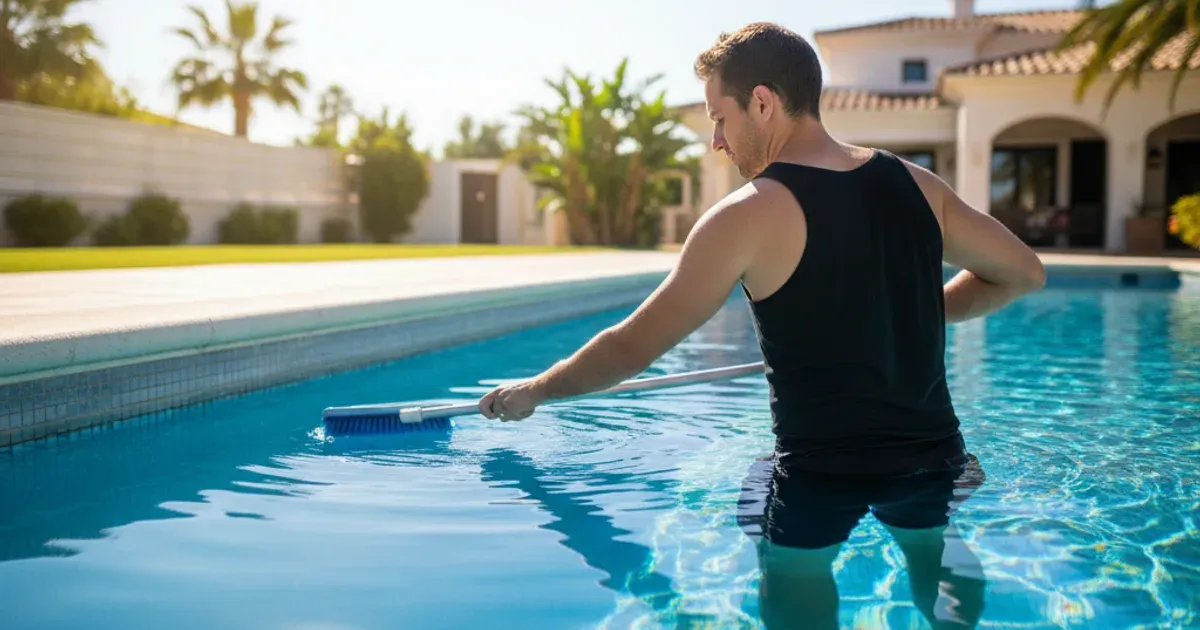
Skim the surface daily, brush walls and corners weekly, vacuum the pool thoroughly, and keep the waterline clean. Regular physical cleaning removes the organic matter algae feeds on and disrupts any colonies before they establish.
4. Be Proactive, Not Reactive
Apply algaecide weekly as a preventative measure. Shock your pool bi-weekly, use phosphate removers to eliminate a key algae nutrient, and add clarifier occasionally to keep water sparkling clear.
5. Roll With the Seasons
Adjust your maintenance intensity with temperature changes. As the weather warms up, increase chemical monitoring and treatment frequency. Check chemistry after rainstorms and ensure proper pool closure for winter months.
6. Control Your Pool's Environment
Trim overhanging trees that drop debris, use a pool cover when the pool is not in use, consider windbreaks to reduce airborne contaminants, and address excessive direct sunlight with shade solutions where possible.
7. Know the Early Warning Signs
Watch for hazy water that doesn't clear with filtration, slick or slimy surfaces on walls and floors, unusual odors, and rising filter pressure. Catching algae early makes treatment far easier and less expensive.
When DIY Just Isn't Cutting It
When Algae Just Won't Quit
If you've treated your pool multiple times but the algae keeps coming back within days, there's likely an underlying issue that needs professional diagnosis. Persistent algae despite repeated shock treatments and recurring green water after temporary improvements are signs you need expert help.
The Special Cases
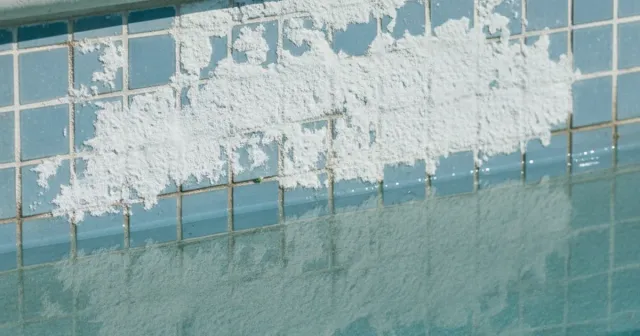
Black algae is notoriously resistant to standard treatments and requires specialized approaches. If you're opening a heavily contaminated pool or notice unusual water behavior, a professional can save you significant time and money.
Maintenance Backup
Even if you handle most maintenance yourself, periodic professional inspections can catch problems early before they become major issues. Professionals also have access to commercial-grade equipment and treatments that aren't available to homeowners.
Frequently Asked Questions
How fast can a beautiful pool turn into a swamp?
Algae can appear within 24-48 hours in warm, sunny conditions with low chlorine. In the right conditions, a pool can go from clear to visibly green within a week.
Is it really that bad to swim in algae?
While algae itself may not directly harm swimmers, it creates conditions favorable for harmful bacteria and other organisms. Algae also makes surfaces extremely slippery, increasing the risk of falls and injuries.
I have a salt system. Am I off the hook?
Salt systems generate chlorine through a different mechanism, but you still need to monitor your water chemistry just as carefully. Salt pools require the same vigilance with pH, alkalinity, and chlorine levels as traditional pools.
What's it going to cost me if I call the pros?
Our moderate algae removal runs $200 to $500 per service, depending on pool size and severity. This is economical compared to the potential costs of equipment damage or surface staining from untreated algae.
Can I go chemical-free and still keep algae away?
UV and ozone systems can reduce chemical needs significantly, but completely eliminating chemicals while keeping algae at bay presents practical challenges. Most experts recommend using these systems as supplements to, not replacements for, traditional chemical treatment.
Final Thoughts
Pool maintenance is a lot like flossing - consistent, small efforts beat occasional intense interventions every time. The key to an algae-free pool is staying on top of your water chemistry, keeping things clean, and not waiting until the problem is out of control. If you're in the San Diego area and need professional help, PoolLogic offers maintenance visits and specialized treatments to keep your pool in top shape. Don't let algae win - reach out for professional assistance when you need it.
FAQ
Frequently asked questions
How fast can a beautiful pool turn into a swamp?
Algae can appear within 24-48 hours in warm, sunny conditions with low chlorine. In the right conditions, a pool can go from clear to visibly green within a week.
Is it really that bad to swim in algae?
While algae itself may not directly harm swimmers, it creates conditions favorable for harmful bacteria and other organisms. Algae also makes surfaces extremely slippery, increasing the risk of falls and injuries.
I have a salt system. Am I off the hook?
Salt systems generate chlorine through a different mechanism, but you still need to monitor your water chemistry just as carefully. Salt pools require the same vigilance with pH, alkalinity, and chlorine levels as traditional pools.
What's it going to cost me if I call the pros?
Our moderate algae removal runs $200 to $500 per service, depending on pool size and severity. This is economical compared to the potential costs of equipment damage or surface staining from untreated algae.
Can I go chemical-free and still keep algae away?
UV and ozone systems can reduce chemical needs significantly, but completely eliminating chemicals while keeping algae at bay presents practical challenges. Most experts recommend using these systems as supplements to, not replacements for, traditional chemical treatment.

Kyle Bowman
Founder of PoolLogic · CPO-Certified
Kyle is the Founder of PoolLogic Pool Service and a Certified Pool Operator (CPO) with deep expertise in pool service, water chemistry, and pool equipment repair. He oversees every aspect of PoolLogic's operations to ensure San Diego pool owners receive expert-level care.
Read morePool service done right
Need professional pool service?
PoolLogic Pool Service provides expert pool cleaning, maintenance, and repair services throughout San Diego County.