
On this page
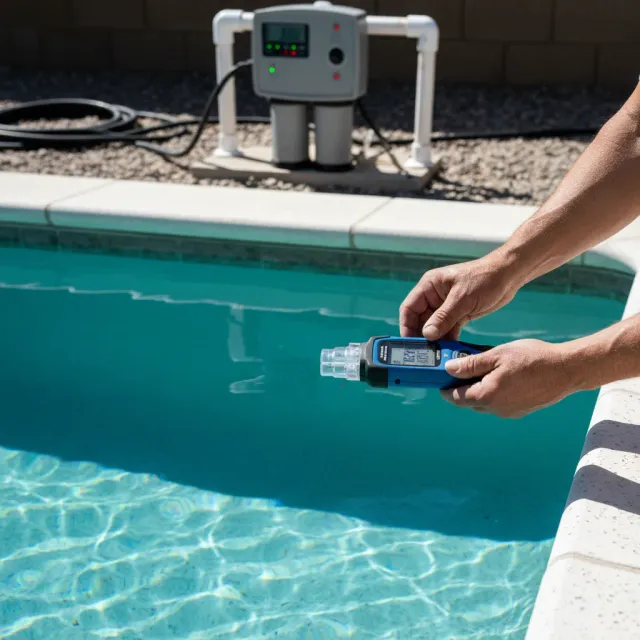
Saltwater pools suit San Diego's sunny climate but need consistent maintenance. Warning signs like cloudy water or unusual system sounds suggest problems requiring professional saltwater pool repair. This guide walks you through five critical indicators that demand expert attention before minor issues escalate into expensive repairs.
Your Salt Chlorine Generator is Acting Up
The salt chlorine generator (SCG) forms your saltwater pool's core system, converting salt into chlorine for sanitization. When malfunction occurs, professional evaluation becomes necessary.
Warning Signs to Watch For
1. Seeing Error Messages on Your Pool System? Alert displays showing "Check Salt" or "Inspect Cell" indicate sensor malfunctions or internal system failures. Quick resets might resolve issues temporarily, yet persistent alerts warrant professional inspection.
2. Salt Looks Fine, But the Chlorine Levels Are Low. When salt appears adequate despite low chlorine readings, generator underperformance prevents sufficient chlorine production. Professional assessment of system settings becomes prudent.
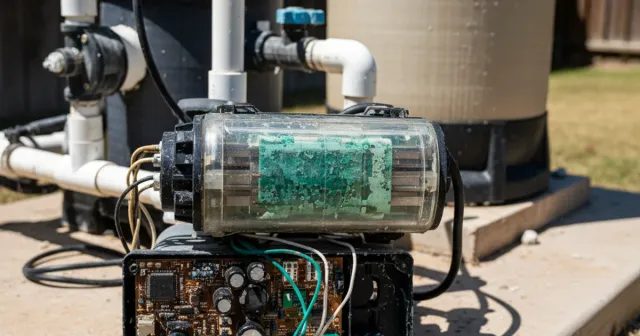
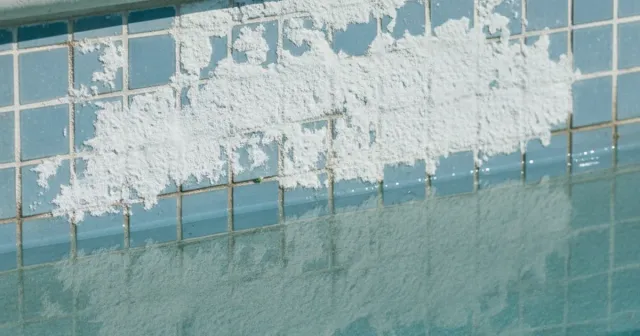
3. Calcium Buildup on Generator. White, chalky deposits accumulate on cell plates, reducing generator efficiency. Regular cleaning and balanced water chemistry prevent this deterioration.
4. Unusual Noises Coming from the Unit. Buzzing or grinding sounds suggest mechanical failures, potentially involving deteriorating cooling fans or internal components.
Key Takeaway: Prompt professional consultation regarding these indicators prevents escalation into serious pool complications and maintains water safety for swimmers.
Persistent Water Balance Issues
Clear water reflects a healthy saltwater pool. Constant struggle maintaining balance indicates hidden problems requiring expert diagnosis.
Red Flags to Notice
1. Difficulty Maintaining Proper pH Levels. Fluctuating pH levels despite correction attempts signal underlying equipment problems or salt system buildup. Normal operations maintain stable chemistry.
2. Cloudy Water That Doesn't Clear with Normal Treatment. Water remaining cloudy after standard shock treatment and filtration suggests salt cell malfunction, circulation problems, or filtration failures. Swimming safety becomes compromised.
3. Fluctuating Chlorine Levels. Wild chlorine swings despite adequate salt indicate inconsistent salt chlorine generator operation, leaving water insufficiently sanitized.
4. Algae Growth Despite Proper Chemical Readings. Persistent algae despite favorable test results points to circulation deficiencies or underperforming generators. Green, black, or yellow varieties repeatedly returning signal system problems.
Key Takeaway: When water chemistry management feels overwhelming, professional technicians identify root causes and restore pool clarity, enabling relaxation and enjoyment.
Declining System Performance
Saltwater pool systems resemble vehicle engines, requiring smooth operation for proper maintenance. Early warning signs precede major breakdowns.
Signs of Performance Issues
1. Longer Filtration Cycles Needed to Maintain Clarity. Pools previously clearing within hours now requiring extended periods indicate clogged filters, underperforming salt systems, or bacterial accumulation. Circulation becomes compromised.
2. Reduced Water Flow from Return Jets. Weakened water circulation originates from clogged piping, failing pumps, or worn salt cell components. Poor flow prevents even chemical distribution and effective cleaning.
3. Pump Making Unusual Noises or Frequently Losing Prime. Growling, squealing, or struggling pump sounds indicate overheating or air leaks. Ignoring these signs risks motor damage and expensive replacement.
4. Inconsistent Automation Function. Random shutdowns of timers, heaters, or lighting systems suggest malfunctioning automation panels or salt system controllers. Pool technology should simplify management.
Key Takeaway: Addressing performance deterioration immediately prevents costly repairs and maintains smooth pool system operation throughout San Diego seasons.
Visible Damage or Deterioration
Physical damage surrounding pool systems indicates material wear-out and system breakdown risks beyond cosmetic concerns.
What to Look For
1. Cracks or Damage to the Salt Cell Housing. Salt cell housing cracks create dangerous malfunction potential and sanitation failures. Visible damage demands prompt professional assessment.
2. Corrosion on Metal Components. Saltwater challenges metal durability extensively. Rust appearing on ladders, handrails, pump areas, or heater surroundings indicates accelerated corrosion — particularly problematic in San Diego's coastal environment.
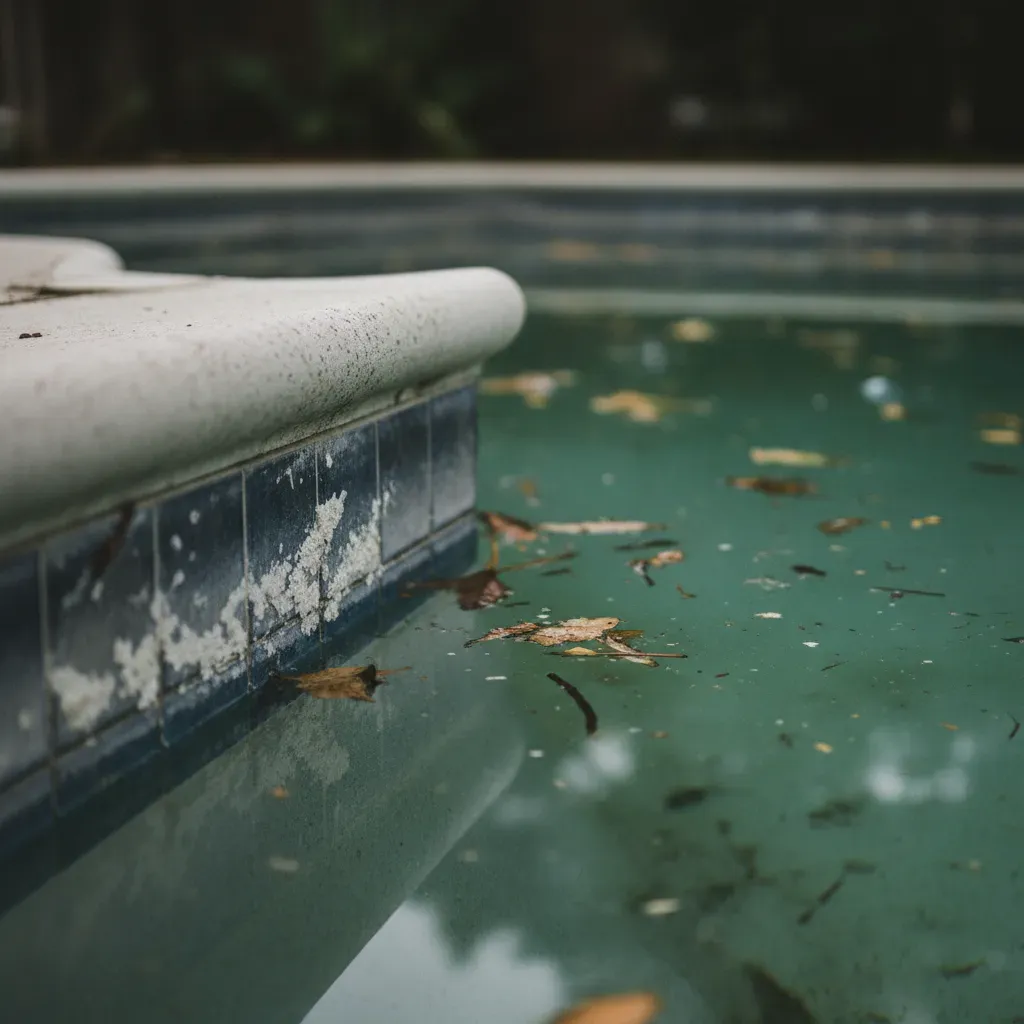
3. Deteriorating Pool Surfaces. Peeling plaster, fading tiles, or rough patches signal chemical imbalance or aging materials. These conditions worsen rapidly without intervention.
4. Leaks or Wet Spots Around the Equipment. Moisture near pumps or filters indicates pipe leaks, faulty fittings, or valve failures. Small drips escalate into major repairs without prompt attention.
Key Takeaway: Professional evaluation of visible damage ensures pool safety, extends equipment lifespan, and preserves worry-free swimming experiences.
Rising Utility Bills Without Increased Usage
Unexpected cost increases despite consistent pool usage indicate system inefficiency. Catching these changes prevents escalating expenses.
Financial Warning Signs
1. Unexplained Increase in Electric Bills. Struggling pumps, heaters, or salt chlorine generators work harder and longer, consuming additional electricity without improving performance. Monthly bills reflect this increased demand.
2. Higher Than Normal Water Bills. Frequent pool refilling suggests hidden leaks or excessive evaporation from equipment malfunction. Monitoring water usage reveals usage pattern changes.
3. Increasing Chemical Costs. Higher salt, stabilizer, or chlorine purchases indicate malfunctioning systems throwing chemistry out of balance. Additional chemicals become necessary for maintaining safety.
4. Replacing Equipment Frequently. Premature pump, salt cell, or filter failures point to improper operation, chemical imbalance, or system stress. Early replacements create immediate and future expenses.
Key Takeaway: Careful utility bill monitoring enables early problem detection, preventing expensive repairs through timely professional intervention.
Final Thoughts
A well-maintained saltwater pool promises enjoyable experiences and minimal complications. Early detection of warning indicators prevents expensive repairs and system failures. By staying proactive and addressing issues early, you can keep your San Diego saltwater pool in top condition year-round.
If you're noticing any of these red flags, don't wait until it's too late. Contact PoolLogic San Diego for expert saltwater pool repair and keep your pool sparkling and safe for everyone to enjoy.
FAQ
Frequently asked questions
How often should I clean my salt cell?
Most experts recommend cleaning salt cells every three to six months. San Diego's hard water may necessitate more frequent cleaning due to calcium accumulation. Always consult manufacturer instructions and avoid sharp scraping implements.
Is it normal for my salt level to reduce over time?
Yes, salt reduction through water splash-out, rain dilution, and filter backwashing naturally occurs. Regular testing maintains balance and system performance.
Why does my saltwater pool have low chlorine levels despite adequate salt?
Dirty salt cells, worn generators, or incorrect settings cause this issue. Professional diagnosis quickly identifies and corrects problems before algae develops.
What should I do if there's a display error in my salt chlorinator?
Consult user manuals first, as many codes indicate simple fixes like low salt or dirty cells. Persistent errors warrant professional technician evaluation.
What's the typical lifespan of a salt chlorinator?
Salt chlorinators typically last three to seven years depending on usage, water chemistry, and maintenance consistency. Regular salt cell cleaning and balanced chemistry extend operational life.
Is a saltwater pool truly maintenance-free?
While saltwater pools require less maintenance than traditional chlorine pools, they demand regular water chemistry checks, salt cell cleaning, and equipment inspection — particularly in San Diego's mineral-rich environment.
How do I know if my salt cell needs replacement versus cleaning?
Failed cleaning performance on chlorine production or persistent error messages suggest cell wear-out. Professional testing determines replacement necessity.
Can I convert my traditional chlorine pool to saltwater myself?
Professional assistance ensures proper plumbing, electrical work, and system calibration. Installation complexity creates safety and performance risks for inexperienced installers.
How does San Diego's hard water affect my saltwater pool?
Hard water creates calcium buildup in salt cells and pool surfaces. Regular cleaning and water testing prove essential, with water softening systems or descalers reducing long-term damage potential.
How can I reduce energy costs for my saltwater pool?
Variable-speed pumps, regular filter cleaning, and off-peak operation schedules decrease consumption. Smart automation controls system operation efficiently while well-maintained equipment requires less power.

Kyle Bowman
Founder of PoolLogic · CPO-Certified
Kyle is the Founder of PoolLogic Pool Service and a Certified Pool Operator (CPO) with deep expertise in pool service, water chemistry, and pool equipment repair. He oversees every aspect of PoolLogic's operations to ensure San Diego pool owners receive expert-level care.
Read morePool service done right
Need professional pool service?
PoolLogic Pool Service provides expert pool cleaning, maintenance, and repair services throughout San Diego County.