
On this page
Plan about an hour after routine chlorine, longer after shock
After a routine liquid chlorine dose, swimming is usually fine once the water has circulated, typically within an hour or so, and free chlorine tests within the label's swimming range, commonly capped around 4 to 5 ppm. After chlorine shock, plan on overnight or longer until free chlorine falls back to that limit. There is no universal 30-minute or 24-hour wait: follow the label's directions for when it's safe to swim, including any minimum waiting period.
The dose, starting chlorine level, pool volume, and circulation determine the actual wait. Liquid chlorine can provide either a small maintenance dose or a large shock dose. Its liquid form alone does not mean the pool will be ready quickly.
Keep everyone out while adding chemicals. Run circulation as directed, and keep the container available until the pool is ready. If someone else treated the water, get the product name, amount added, and application time before deciding.
| What you added | How to plan the wait | What to check before swimming |
|---|---|---|
| A routine liquid chlorine dose | Typically within an hour or so, subject to the label and testing | The dose has circulated and free chlorine is within the permitted range |
| Granular chlorine | Follow the product's waiting instructions | Granules fully dissolved, adequate circulation, and a passing water test |
| A chlorine shock treatment | Plan on overnight or longer | Free chlorine has fallen to the label's permitted range and any cleanup is complete |
| Tablets in an approved feeder | No wait for every tablet to dissolve | The water tests within range and the tablet and feeder instructions are satisfied |
Check both the lower and upper chlorine numbers
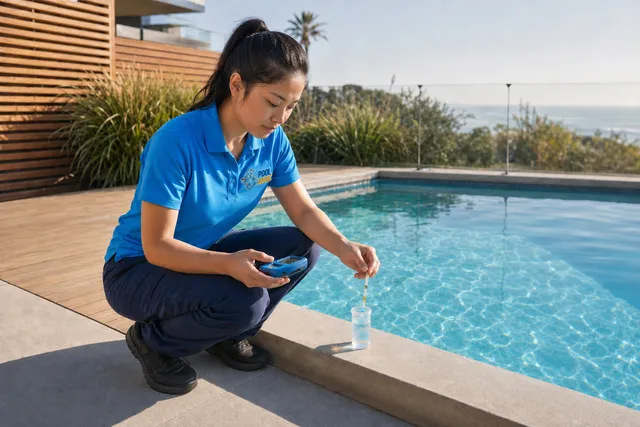
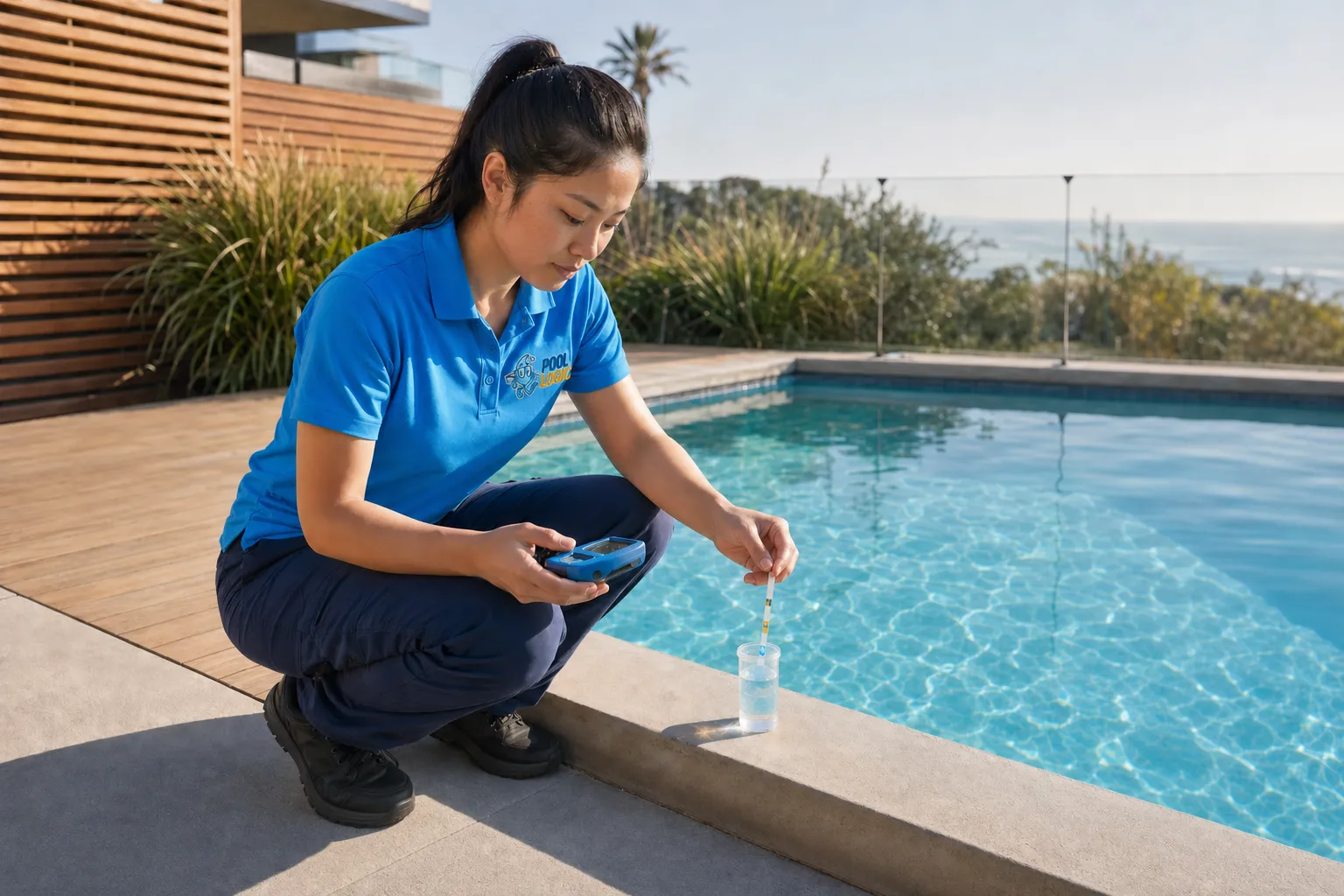
Measure free chlorine, the chlorine available to disinfect the water, rather than relying on total chlorine. Results use parts per million, or ppm. Stabilizer, also called cyanuric acid, protects chlorine from sunlight and affects how much free chlorine the pool needs.
CDC's home pool testing guidance recommends at least 1 ppm chlorine without stabilizer, or at least 2 ppm when stabilizer is present. These are minimum recommendations, not a complete operating range for every residential pool. Follow your product's operating range and account for the stabilizer level.
The upper number matters after dosing. Many labels set the maximum for swimming around 4 to 5 ppm, but use your own label's directions for when it's safe to swim. If your label says 4 ppm, a 5 ppm reading means keep waiting. A product permitting 5 ppm does not make that number appropriate for every product.
We recommend checking pH as well, with a target of 7.2 to 7.8. If free chlorine is too low, waiting longer will not fix inadequate disinfection. If it remains too high, keep swimmers out. Our guide to reducing chlorine in a pool safely explains the next steps.
Confirm the chlorine has mixed and the test is reliable
A running motor does not necessarily mean water is circulating properly. Look for water movement at the returns, the fittings that send filtered water back into the pool. If flow is weak or the pump stopped shortly after dosing, a longer wait alone does not solve the mixing problem.
Check skimmer and pump baskets according to the equipment instructions. Restore circulation before relying on a sample from one part of the pool. Our technicians confirm the appropriate equipment fix after seeing the equipment.
Take your sample where the test kit directs, away from return jets and the place where chlorine was added. Follow the specified sample depth and reading time. If samples from separate areas give clearly different results, continue circulating and investigate before swimming.
Take extra care with an unexpectedly low or colorless chlorine test after a large dose. High chlorine can bleach some tests and appear to show little chlorine. A reading at the top of the scale may also mean the concentration exceeds the kit's range. Follow the kit's high-range instructions or have the water checked before adding more or allowing swimming. Some pH tests also become unreliable at high chlorine levels.
A strong chlorine smell cannot tell you how much longer to wait. Odor can come from chloramines, compounds formed when chlorine reacts with contaminants. Neither smell nor clear-looking water replaces a reliable free chlorine reading.
When San Diego weather calls for another test
On hot inland days, test right before you swim, especially if hours have passed since treatment. Heat and heavy pool use can increase chlorine demand. Along the coast, May gray and June gloom make it unwise to count on morning sunshine to lower an excessive reading.
After Santa Ana winds or the first winter storm, remove leaves and debris, then test chlorine and pH before choosing another dose. New material in the water can consume chlorine, making yesterday's dose unsuitable.
In cooler months, measure before repeating last summer's dose. Cooler water and fewer swimmers can mean chlorine lasts longer, so the same amount may overshoot. Plan treatment early enough to leave time for correction before an afternoon or heated evening swim.
Before the next swim, confirm these five things
- Check every product used. Meet the label's directions for when it's safe to swim, including any waiting period. If you added another treatment, its instructions also apply.
- Confirm circulation. Water should be moving, and the treatment must have mixed as directed.
- Inspect the water. Confirm granules fully dissolved and the deepest part of the bottom is clearly visible. Do not enter to step through visible chemical deposits.
- Check free chlorine and pH. Use a test suited to the expected concentration. Meet both ends of the required chlorine range and keep pH within 7.2 to 7.8.
- Check the dispenser. Follow tablet and feeder instructions, including any directions about removing a floating dispenser during swimming. Keep children from handling it.
If you shocked because the pool was green or cloudy, a good chlorine reading alone doesn't mean the pool is ready. The algae problem and visibility still need attention before anyone swims.
If a check fails, save the product label, amount added, treatment time, pump run time, and latest readings. These details help our technicians assess excessive dosing, poor circulation, or chlorine being consumed. For help managing treatment around your swimming schedule, see our weekly pool cleaning service in San Diego. If you cannot identify what was added or obtain a reliable reading, postpone swimming until those questions are resolved.

Kyle Bowman
Founder of PoolLogic · CPO-Certified
Kyle is the Founder of PoolLogic Pool Service and a Certified Pool Operator (CPO) with deep expertise in pool service, water chemistry, and pool equipment repair. He oversees every aspect of PoolLogic's operations to ensure San Diego pool owners receive expert-level care.
Read moreNeed professional pool service?
PoolLogic Pool Service provides expert pool cleaning, maintenance, and repair services throughout San Diego County.