
On this page
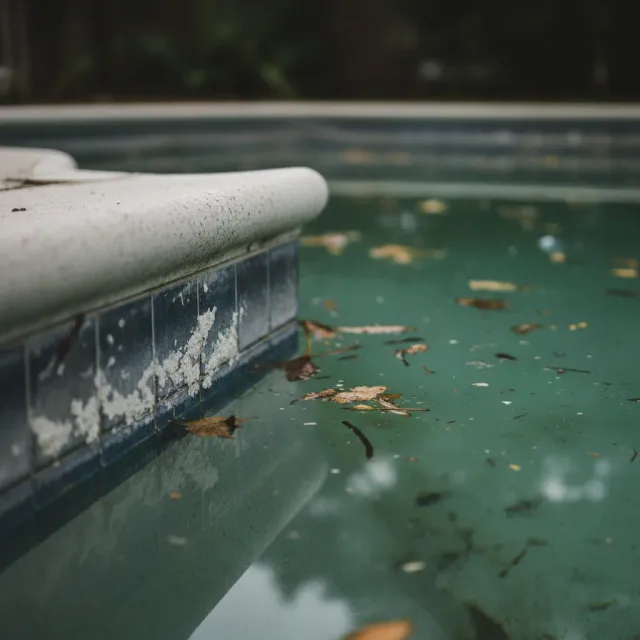
San Diego's sunny weather is perfect for swimming, but it also creates ideal conditions for algae growth. If you're dealing with a green, yellow, or black algae problem in your pool, you're not alone. Let's explore the most effective treatments available and find the right solution for your situation.
Know Your Enemy: Types of Pool Algae
The Green Stuff
Green algae creates cloudy, uninviting water and is the most common type found in pools. The good news? It's the easiest type to treat. If you have to deal with algae, this is the one you'd prefer.
The Mustard Mystery
Yellow algae, also known as mustard algae, collects in pool corners and shaded areas. It laughs at normal chlorine levels and requires special attention and more aggressive treatment than green algae.
The Black Spots That Won't Budge
Dark, stubborn spots on your pool surfaces indicate black algae - the stubborn teenager of the algae world. It digs roots into pool surfaces and demands specific, intensive approaches to eliminate.
The Pink Stuff (That's Not Actually Algae)
Pinkish slime in damp pool areas is actually bacteria, not algae, but it causes similar problems. It requires prompt treatment before it spreads to other areas of your pool.
Battle Plans: Effective Treatments for San Diego Pools
Chlorine Shock: The Classic Approach
Shock treatment is the big guns in your algae-fighting arsenal, particularly effective against green and yellow algae. Use about 1.5 pounds for a 15,000-gallon pool and run the pump continuously afterward to filter out dead algae. Recommended products include HTH Super Shock Treatment and In The Swim Super Shock.
Targeted Algaecides: The Specialists
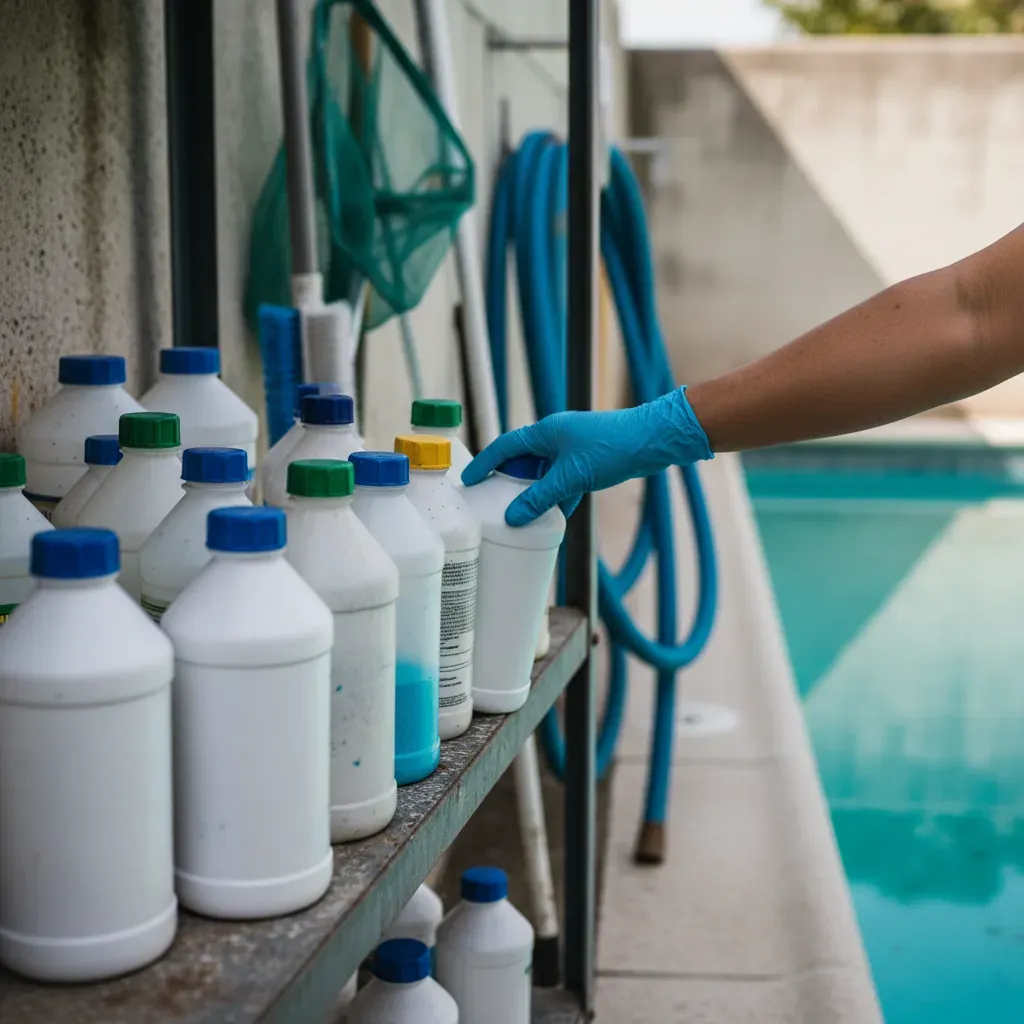
When standard shock treatments fail, algaecides provide specialized formulations that target algae reproduction. Polymer-based versions avoid staining risks, while copper-based products offer stronger effects but require careful timing before swimming. Recommended products include Leslie's Algaecide 60 and BioGuard Algae All 60.
The Natural Approach: Enzyme Cleaners
Enzyme cleaners work by breaking down organic material that feeds algae. Products like Natural Chemistry Pool Magic provide gradual results as part of an ongoing maintenance routine rather than a quick fix.
The Aftermath: Clearing Cloudy Water
After killing algae, dead particles create cloudiness that needs to be addressed. Clarifiers and flocculants like Poolife TurboClear clump particles together for your filter to capture, enabling a faster return to swimmable conditions.
When to Wave the White Flag: Professional Help
Professional services become necessary when algae outbreaks exceed your DIY capacity. Consider calling the pros for time-sensitive situations, post-vacation green pools, and major blooms that have gotten out of control.
Prevention: Keeping Algae From Coming Back
Getting Your Water Chemistry Right
Balanced water chemistry is like having a security system for your pool. Target these ranges: pH levels of 7.4-7.6, chlorine at 2-3 ppm during summer, alkalinity at 80-120 ppm, and calcium hardness at 200-400 ppm. Test weekly during summer months.
Keep That Water Moving
Stagnation invites algae colonization. Water circulation is your pool's immune system. Run pumps 8+ hours daily during cooler months, increasing to 10-12 hours during heat waves to ensure complete water turnover.
Brush, Brush, Brush
Weekly brushing prevents algae from establishing itself on pool surfaces. Pay special attention to shaded corners and steps where algae colonies tend to start.
Made in the Shade
Pool covers reduce algae growth while saving money on chemicals and reducing evaporation. They're a worthwhile investment for long-term pool maintenance.
Seasonal Thinking
Even in San Diego's year-round warmth, maintenance needs shift with the seasons. Warmer months require more vigilant testing and treatment. Schedule professional deep cleaning for spring to start the swimming season right.
Let's Talk Money: What This All Costs
The DIY Route
Typical expenses for handling green algae yourself include quality shock treatment ($20-25 per treatment), algaecide ($25-35 per bottle), clarifier ($15-20 per treatment), and test strips or kits ($10-40).
Calling in the Pros
Professional treatment costs vary by severity: our algae removal runs $200 to $500 per service, with basic algae treatment at the lower end and a major black algae situation at the higher end.
The Long Game
Our monthly professional maintenance ($175 per month with one cleaning per week) has proven more cost-effective than repeated DIY failures followed by emergency professional intervention. Consistent maintenance prevents the expensive worst-case scenarios.
Frequently Asked Questions
Can I swim right after treating for algae?
No. Wait until chlorine drops to safe levels (1-3 ppm) and water clears completely. This typically takes one to two days after treatment.
Will algaecide change my pool water color?
Copper-based treatments may create temporary bluish tinting in the water, though it clears with continued filtration.
I keep adding chlorine but still get algae - what gives?
This usually indicates a pH imbalance that's reducing chlorine effectiveness, poor circulation creating dead spots, or San Diego's intense sunshine overwhelming your chlorine levels faster than you can maintain them.
Once I treat it, will the algae stay away?
Without regular prevention in San Diego's warm climate, algae can return within days. Consistency in maintenance is essential for lasting results.
Should I just handle this myself or hire someone?
Small outbreaks are manageable with DIY treatment. However, black algae or severely cloudy water typically warrant professional service to avoid wasting time and money on ineffective home treatments.
How often should I shock my pool here in San Diego?
Every two weeks during hot months as a preventive measure, and monthly during the winter. Additional shocking may be needed after heavy pool use or rainstorms.
Final Thoughts
When it comes to algae treatment, consistency beats intensity. Regular maintenance and prevention will always outperform emergency interventions. For San Diego pool owners, understanding the local climate's impact on your pool chemistry is key to staying ahead of algae. If you need professional help, PoolLogic San Diego offers expert local service with quick scheduling - you can be set up in about five minutes and have service within two days. Crystal-clear water is achievable with the right approach.
FAQ
Frequently asked questions
Can I swim right after treating for algae?
No. Wait until chlorine drops to safe levels (1-3 ppm) and water clears completely. This typically takes one to two days after treatment.
Will algaecide change my pool water color?
Copper-based treatments may create temporary bluish tinting in the water, though it clears with continued filtration.
I keep adding chlorine but still get algae - what gives?
This usually indicates a pH imbalance that's reducing chlorine effectiveness, poor circulation creating dead spots, or San Diego's intense sunshine overwhelming your chlorine levels faster than you can maintain them.
Once I treat it, will the algae stay away?
Without regular prevention in San Diego's warm climate, algae can return within days. Consistency in maintenance is essential for lasting results.
Should I just handle this myself or hire someone?
Small outbreaks are manageable with DIY treatment. However, black algae or severely cloudy water typically warrant professional service to avoid wasting time and money on ineffective home treatments.
How often should I shock my pool here in San Diego?
Every two weeks during hot months as a preventive measure, and monthly during the winter. Additional shocking may be needed after heavy pool use or rainstorms.

Kyle Bowman
Founder of PoolLogic · CPO-Certified
Kyle is the Founder of PoolLogic Pool Service and a Certified Pool Operator (CPO) with deep expertise in pool service, water chemistry, and pool equipment repair. He oversees every aspect of PoolLogic's operations to ensure San Diego pool owners receive expert-level care.
Read morePool service done right
Need professional pool service?
PoolLogic Pool Service provides expert pool cleaning, maintenance, and repair services throughout San Diego County.