
On this page
Signs It's Time for an Upgrade
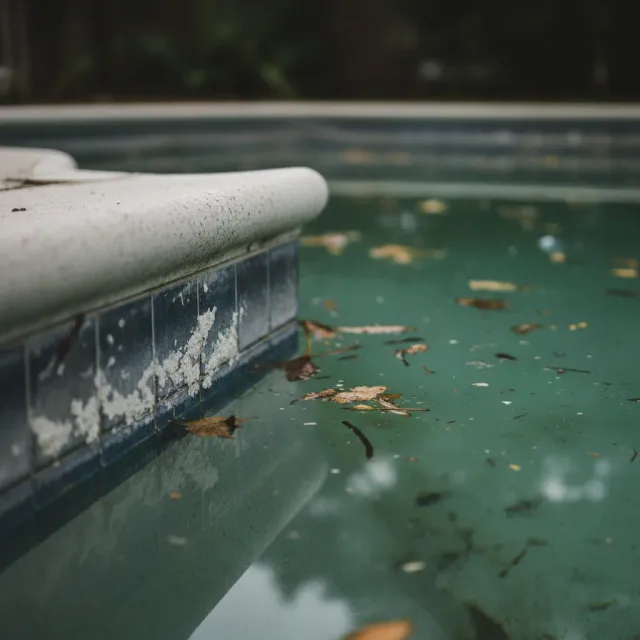
Poor water clarity despite regular maintenance indicates filter problems. Frequent clogs disrupt water flow and force pumps to work harder. Rising energy bills often signal an overworked filter straining the pool pump. Inconsistent water flow from return jets suggests the filter cannot meet pool needs.
Ignoring these signs affects pool appearance and shortens the lifespan of pumps and heaters.
Benefits of Upgrading
Improved Filtration Efficiency
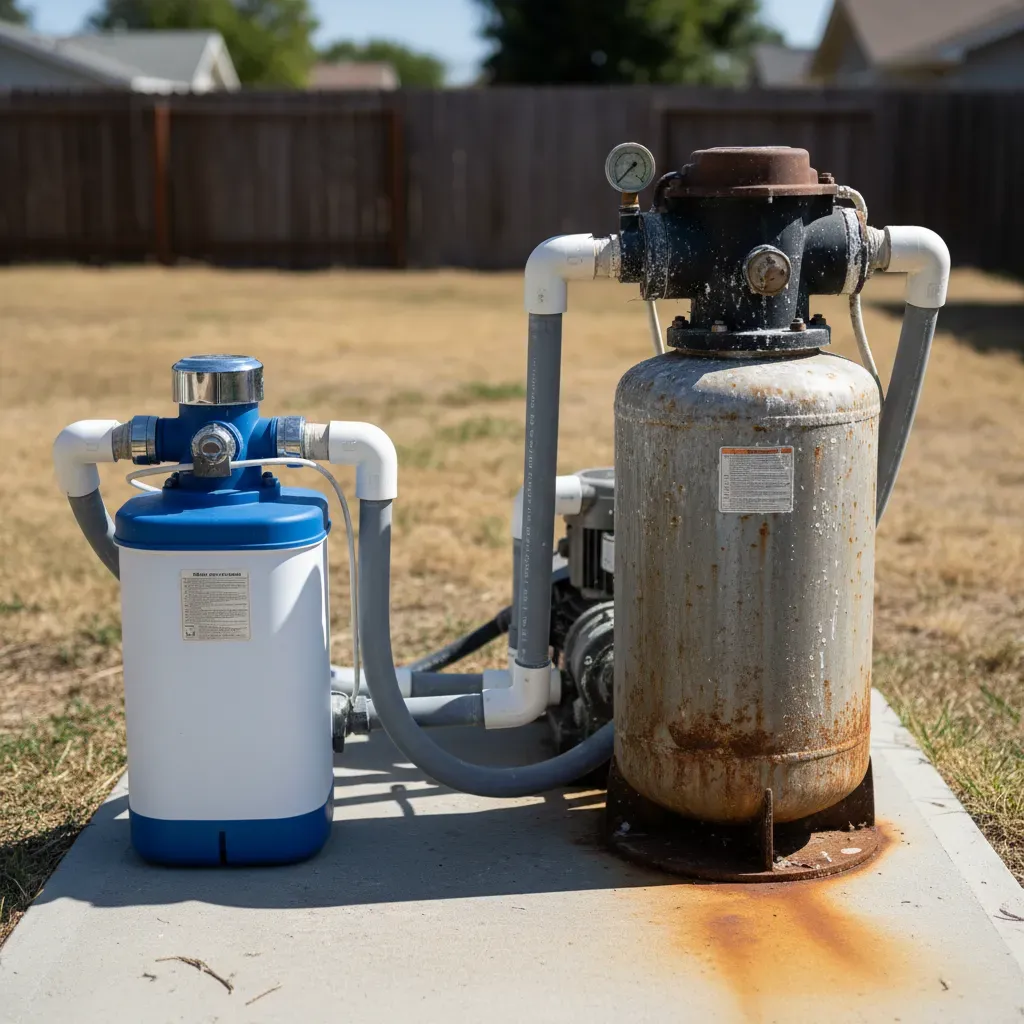
Modern filters capture smaller particles, keeping pool water crystal clear with less effort and requiring less frequent cleaning or maintenance.
Energy Savings
Newer filters work efficiently with variable-speed pumps, reducing system strain and lowering energy consumption. Utility bill savings can offset initial upgrade costs over time.
Durability
Upgraded filters offer longer lifespans, reducing replacement frequency and costly repairs.
FAQ
Frequently asked questions
How much does pool filter installation cost near me?
Our filter installations run $2,285 to $2,800, depending on filter type and additional plumbing needs.
How do I choose the right pool filter for my pool?
Choice depends on pool size, usage, and maintenance preferences. Sand filters are affordable, cartridge filters are efficient, and DE filters offer the best clarity.
When should I replace my pool filter?
Replace when experiencing cloudy water, reduced flow, or frequent malfunctions. Sand filters last 5–7 years, cartridge filters 3–5 years, and DE filters 8–10 years.
What are the benefits of upgrading my pool filter?
Upgrades improve water quality, reduce maintenance, increase energy efficiency, and protect pumps and other equipment from unnecessary strain.
How long does it take to install a new pool filter?
Installation usually takes 2–4 hours, including testing.
How much does a pool pump installation cost near me?
Our pump installations run $2,450 to $3,500, influenced by pump type and labor requirements.
How do I choose the right pool pump for my pool?
Match your pump's flow rate to your filter's capacity. Single-speed pumps cost less initially, but variable-speed pumps provide greater energy savings over time.
Should I upgrade to a variable-speed pool pump?
Yes, for better energy efficiency, quieter operation, and long-term savings with reduced utility bills and modern energy standard compliance.
How long should a pool pump last?
With proper maintenance, 8–12 years. If noisy, inefficient, or needing frequent repairs, replacement may be necessary.
What are the benefits of professional pool pump installation?
Professionals ensure correct sizing, leak-free connections, energy standard compliance, and often provide warranties for added protection.

Kyle Bowman
Founder of PoolLogic · CPO-Certified
Kyle is the Founder of PoolLogic Pool Service and a Certified Pool Operator (CPO) with deep expertise in pool service, water chemistry, and pool equipment repair. He oversees every aspect of PoolLogic's operations to ensure San Diego pool owners receive expert-level care.
Read morePool service done right
Need professional pool service?
PoolLogic Pool Service provides expert pool cleaning, maintenance, and repair services throughout San Diego County.