
On this page
Signs Your Filter Needs Replacement
Several key indicators signal that your pool filter has reached the end of its useful life:
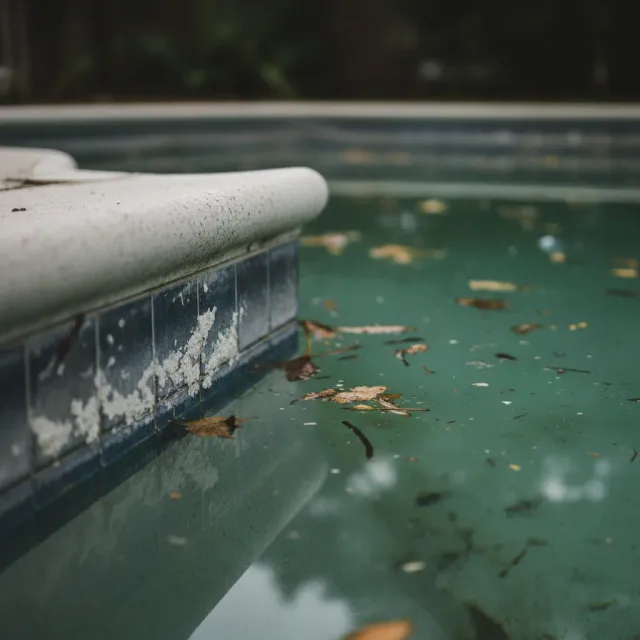
- Water clarity issues: Cloudiness or rapid debris accumulation signal reduced efficiency
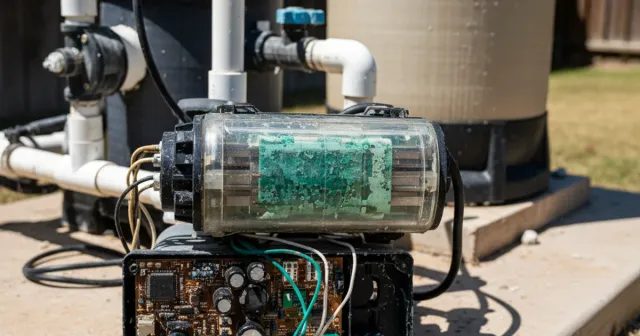
- Frequent repairs: Cracked housing, worn cartridges, or damaged grids indicate aging
- Rising energy bills: Clogged filters force pumps to work harder, increasing consumption
- Reduced system performance: These combined signs suggest end-of-life status
Average Lifespan of Different Filter Types
Sand Filters
Sand filters generally last between 5 and 7 years with regular backwashing and periodic sand replacement. Sand becomes compacted over time, reducing effectiveness.
Cartridge Filters
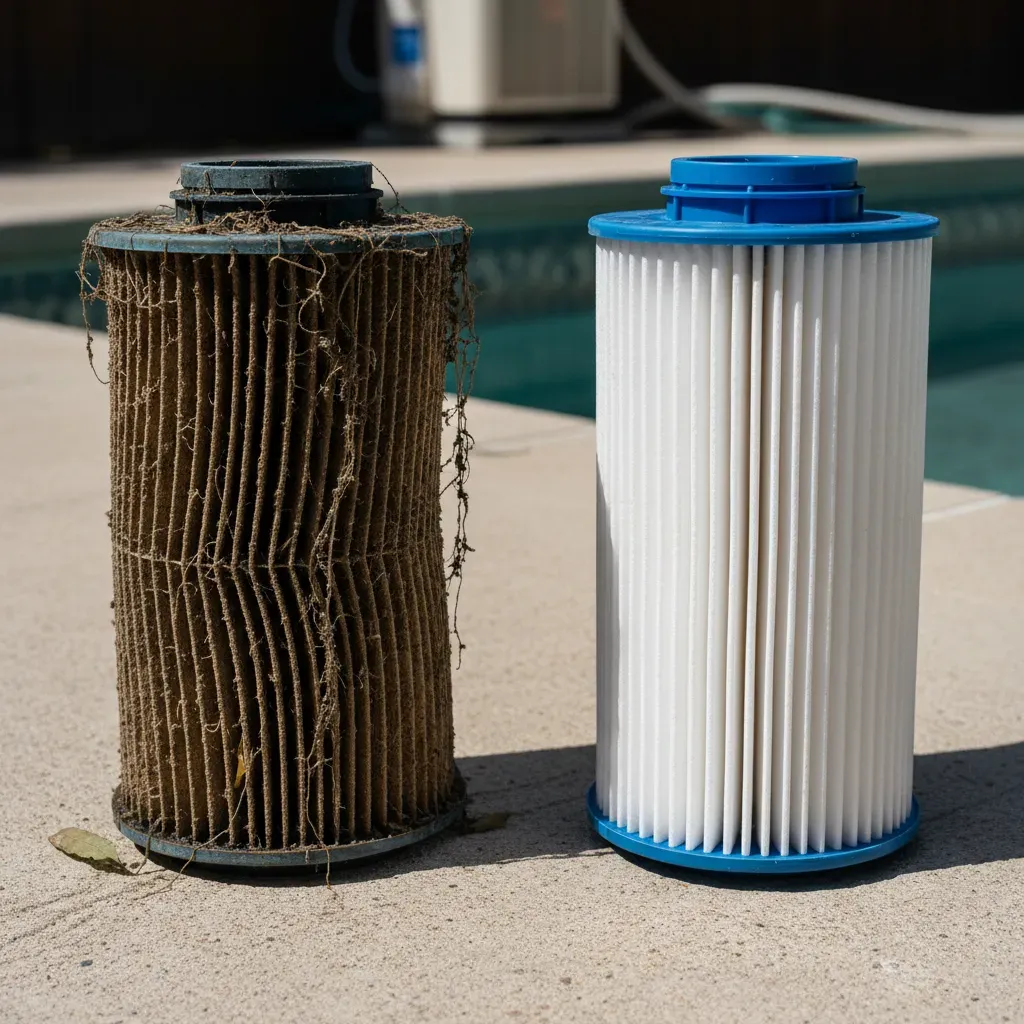
Cartridge filters typically last 3–5 years with regular cleaning. Eventual cartridge deterioration necessitates full unit replacement.
DE Filters
DE (Diatomaceous Earth) filters are known for their superior filtration and durability, lasting between 8 and 10 years. Grid replacement extends lifespan through proper maintenance.
Benefits of Replacing Your Filter
Replacing an aging filter delivers multiple performance improvements:
- Enhanced water quality and flow
- Reduced maintenance costs
- Lower energy consumption and utility bills
- Extended mechanical component lifespan
FAQ
Frequently asked questions
How much does pool filter installation cost near me?
Our filter replacements run $2,285 to $2,800 depending on filter type, pool size, and plumbing requirements. Sand filters are most affordable; cartridge and DE filters cost more due to advanced capabilities.
How do I choose the right pool filter for my pool?
Evaluate pool size, usage frequency, and maintenance preferences. Sand filters suit budget-conscious owners; cartridge filters offer better filtration with less cleaning; DE filters deliver maximum clarity requiring more maintenance.
When should I replace my pool filter?
Sand filters: 5–7 years; cartridge filters: 3–5 years; DE filters: up to 10 years. Signs requiring replacement include cloudy water, reduced flow, or frequent repairs.
What are the benefits of upgrading my pool filter?
Upgrades improve water clarity, enhance system efficiency, reduce maintenance, and lower operational costs while decreasing breakdown risks.
How long does it take to install a new pool filter?
Installation typically requires 2–4 hours, varying by plumbing system complexity.
How much does a pool pump installation cost near me?
Our pump installations run $2,450 to $3,500, including the pump and labor. Single-speed pumps cost less; variable-speed models provide long-term energy savings.
How do I choose the right pool pump for my pool?
Consider pool size, water volume, and energy efficiency goals. Flow rate should align with filter capacity.
Should I upgrade to a variable-speed pool pump?
Variable-speed pumps significantly reduce energy consumption, operate more quietly, last longer, and comply with modern energy standards.
How long should a pool pump last?
Well-maintained pumps typically last 8–12 years. Proper care extends lifespan; unusual noises or reduced efficiency indicate replacement need.
What are the benefits of professional pool pump installation?
Professional installation ensures correct sizing, secure connections, maximum efficiency, reduced leak risk, and warranty validation.

Kyle Bowman
Founder of PoolLogic · CPO-Certified
Kyle is the Founder of PoolLogic Pool Service and a Certified Pool Operator (CPO) with deep expertise in pool service, water chemistry, and pool equipment repair. He oversees every aspect of PoolLogic's operations to ensure San Diego pool owners receive expert-level care.
Read morePool service done right
Need professional pool service?
PoolLogic Pool Service provides expert pool cleaning, maintenance, and repair services throughout San Diego County.