
On this page
When DIY Isn't Enough
A pool pump is essential to your pool's circulation system, ensuring clean and safe water for swimming. While some minor maintenance can be handled independently, knowing when to call a professional prevents costly repairs and unnecessary stress.
Attempting DIY fixes on complex issues may seem economical but often leads to bigger problems. This guide helps recognize when professional expertise is necessary and how to find reliable repair services.
Signs You Need a Professional
1. Persistent Noise Issues
If your pump makes grinding, screeching, or humming noises, it could indicate bearing, impeller, or motor problems. These issues require specialized tools and knowledge to diagnose and repair properly. Ignoring these noises may lead to further mechanical damage.
2. Electrical Problems
Electrical issues, such as power loss, tripped breakers, or a pump that won't turn on require immediate attention. Handling electrical components without proper training is dangerous and can injure you or damage equipment. Professionals safely diagnose and repair electrical faults.
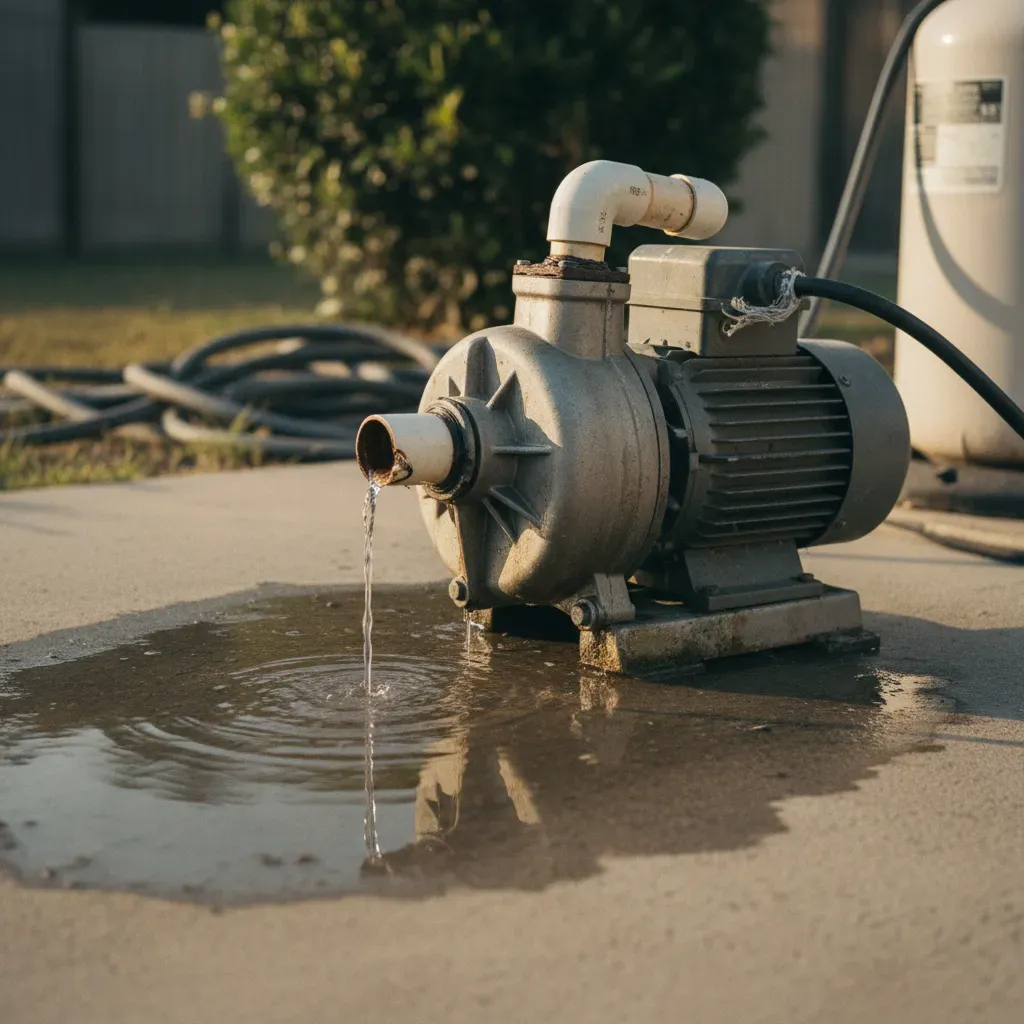
3. Leaks Around the Pump Housing
Leaks can occur from worn-out seals, damaged O-rings, or cracks in pump housing. While replacing an O-ring might seem simple, identifying and fixing more complex leaks requires professional expertise to ensure correct sealing and functioning.
4. Pump Overheating or Shutting Off Unexpectedly
A pump that overheats or shuts off during operation could have motor issues, ventilation problems, or system blockages. Overheating quickly leads to motor failure if not addressed promptly. A professional identifies the root cause and prevents further damage.
5. Water Flow Problems
If your pump isn't circulating water properly, it may be due to clogs, air leaks, or a failing impeller. Basic troubleshooting, like cleaning the pump basket, might not resolve the issue. Professionals have tools to inspect and repair inaccessible internal components.
How to Find a Reliable Professional
1. Research Reviews and Certifications
Look for companies with strong customer reviews and testimonials. Certifications from reputable organizations indicate technicians are trained and qualified to handle complex repairs.
2. Ask About Warranties and Pricing
Reputable repair services offer warranties on parts and labor, providing peace of mind. Transparent pricing with detailed estimates ensures no hidden fees.
3. Questions to Ask
When contacting a repair company, ask about their experience with your specific pump model, availability for urgent repairs, and expected turnaround time. A reliable provider answers questions clearly and professionally.
Final Thoughts
Knowing when to call a professional for pool pump repair is crucial for maintaining your pool's health and avoiding costly damage. Persistent noise issues, electrical problems, leaks, and water flow challenges all require expert attention. PoolLogic San Diego offers skilled technicians providing fast, reliable service to keep your pool running smoothly. Contact them today to schedule repair and ensure your pool is always ready for swimming.
FAQ
Frequently asked questions
What are the signs my pool pump needs repair?
Common signs include unusual noises (grinding or screeching), leaks, low or no water flow, frequent shutdowns, or a spike in energy bills.
How much does a pool pump repair cost near me?
In San Diego, our pool pump repairs run $125 to $500, depending on the issue and required parts.
Can I repair my pool pump myself?
Simple tasks like cleaning the pump basket or replacing an O-ring can be done yourself. However, professional help is recommended for electrical or motor issues.
Why is my pool pump making a loud noise?
Loud noises often indicate problems like worn bearings, a clogged impeller, or air leaks in the suction line. A professional should inspect these.
What causes a pool pump to stop working?
A pump can stop due to electrical problems, clogs, motor failure, or low water levels. Regular maintenance helps prevent these issues.
Should I repair or replace my pool pump?
Repair is often best for pumps under 7 years old. However, for pumps over 10 years old or with costly repairs, replacement may be more cost-effective.
How long should a pool pump last?
A well-maintained pool pump typically lasts 8-12 years. Regular care and prompt repairs can extend its lifespan.
Why is my pool pump leaking?
Worn seals, damaged O-rings, or cracked pump housing often cause leaks. Addressing leaks early prevents further damage.
What can I do to prevent future pool pump repairs?
Regularly clean the pump basket, maintain water levels, inspect seals, and schedule routine professional inspections to catch issues early.
How quickly can pool pump repair be completed in San Diego?
Most repairs can be completed within a few hours to a day, depending on the issue's complexity and parts availability.

Kyle Bowman
Founder of PoolLogic · CPO-Certified
Kyle is the Founder of PoolLogic Pool Service and a Certified Pool Operator (CPO) with deep expertise in pool service, water chemistry, and pool equipment repair. He oversees every aspect of PoolLogic's operations to ensure San Diego pool owners receive expert-level care.
Read morePool service done right
Need professional pool service?
PoolLogic Pool Service provides expert pool cleaning, maintenance, and repair services throughout San Diego County.