
Understanding the Pool Filter Cleaning Process
1. Initial Inspection
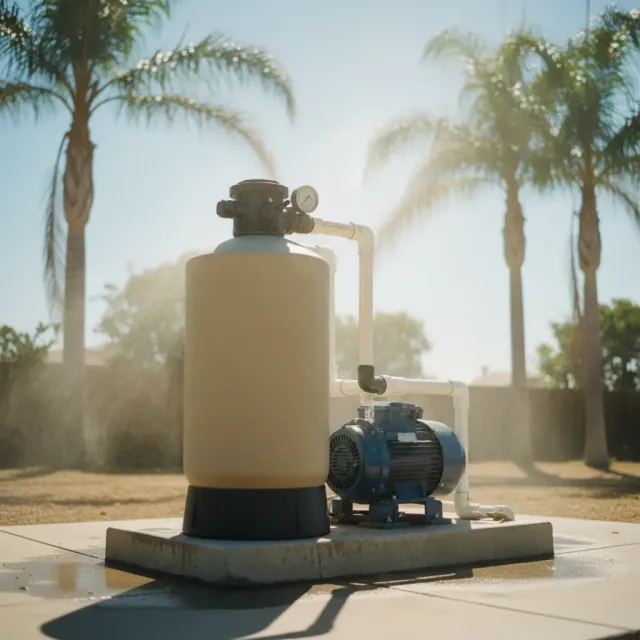
Upon arrival, the technician will inspect the filter system, looking for visible signs of debris, wear and tear, or damage. This step ensures they can address potential issues early on, preventing problems down the road.
2. Water Testing
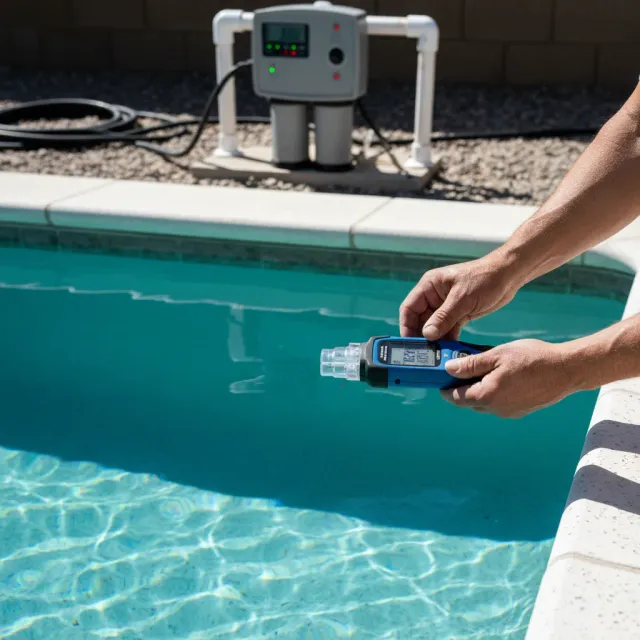
Some professionals will conduct a quick water test before beginning the cleaning process. Checking the water's chemical balance gives them insight into whether further adjustments are necessary to ensure the pool is safe for swimming.
3. Filter Removal
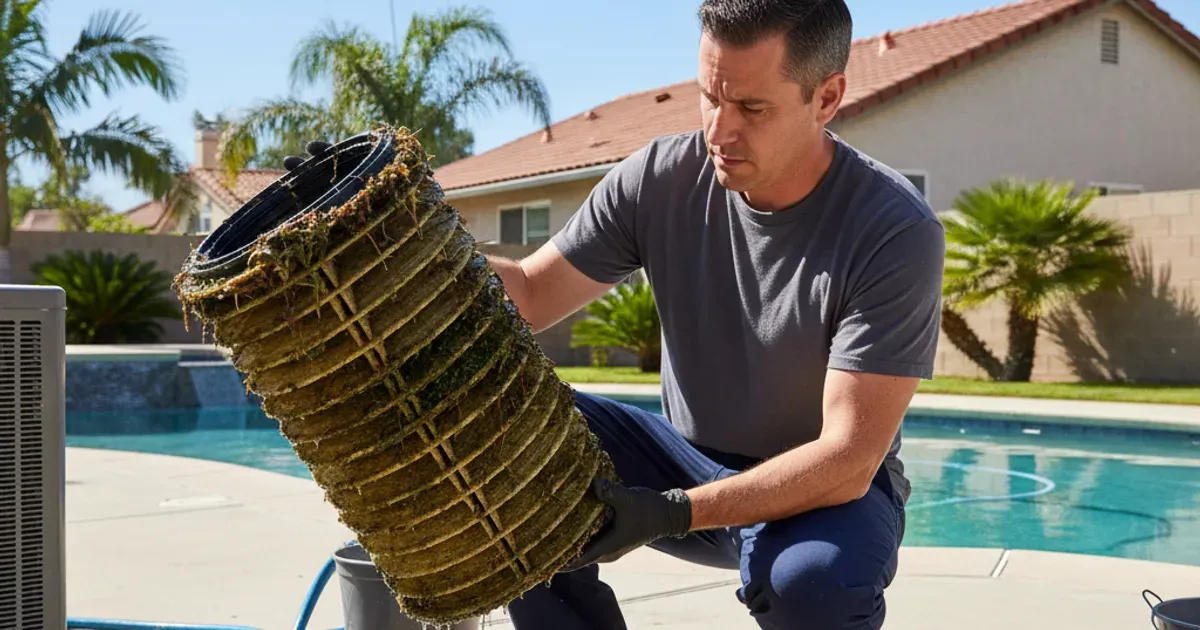
Depending on the filter type—cartridge, sand, or DE (diatomaceous earth)—the technician will carefully remove it from the system. Cartridge filters are lifted from their housing, while sand and DE filters may require the tank to be drained before removal.
4. Thorough Cleaning
Each filter type requires a unique cleaning approach:
- Cartridge Filters: The technician rinses the cartridge with a high-pressure hose to dislodge dirt and debris. For stubborn grime or oils, they may use specialized cleaning solutions.
- Sand Filters: Sand filters are backwashed to flush out trapped contaminants by reversing water flow. If the sand is worn out (usually every 3-5 years), they may recommend replacing it.
- DE Filters: After cleaning the filter grids, the technician will backwash the filter and reapply fresh DE powder to ensure it functions optimally.
5. Reassembly and Inspection
After the filter has been thoroughly cleaned, the technician will reassemble it and ensure all parts are securely connected to avoid leaks or malfunctions.
6. Final Testing and Adjustment
The cleaning concludes with a system check to ensure the pool equipment is functioning properly. The technician may also perform a quick water test to confirm the chemical levels are balanced.
Additional Services Often Included
Many companies offering pool filter cleaning near you provide more than just basic cleaning. Here are some extra services that can help keep your pool in top shape:
- Pool Vacuuming: Some professionals will vacuum the pool floor, removing debris that has settled at the bottom, which helps improve water clarity and filter performance.
- Chemical Balancing: Technicians often adjust chlorine, pH, and alkalinity levels to ensure your pool water remains safe and balanced.
- Equipment Inspection: While on-site, the technician may inspect other components of your pool system—like the pump, heater, and skimmer baskets—to identify any issues that need addressing.
- Debris Removal: Surface skimming and emptying skimmer baskets are included in many services to ensure smooth water circulation.
- Maintenance Packages: Some providers offer bundled services, combining regular pool maintenance with filter cleaning for added convenience and savings.
FAQ
Frequently asked questions
How often should I clean my pool filter?
It's recommended to clean your filter every 4 to 6 weeks during peak swimming season. However, if your pool collects a lot of debris or sees heavy use, you may need more frequent cleanings.
What are the signs that my pool filter needs cleaning?
Signs include cloudy water, reduced water flow, high-pressure gauge readings, and visible debris accumulating in the pool.
Can I clean my pool filter myself?
Yes, you can clean cartridge filters with basic tools, but sand and DE filters require more expertise. If you're unsure, hiring a professional service ensures the job is done thoroughly and correctly.
What happens if I don't clean my filter regularly?
Neglecting filter maintenance can lead to algae growth, poor water quality, and pump strain, potentially resulting in costly repairs.
How much does professional filter cleaning cost?
Our professional pool filter cleaning runs $150 to $200 per service, depending on the filter type and the condition of your system.
What's the difference between cartridge, sand, and DE filters?
Cartridge filters trap debris using pleated fabric elements, while sand filters use sand to filter particles and require backwashing. DE filters provide the finest filtration by using diatomaceous earth powder on filter grids.
When should I replace my pool filter instead of cleaning it?
If your filter no longer maintains water clarity despite frequent cleaning, it may be time for a replacement. Cartridge filters typically last 1-3 years, while sand and DE filters last longer with proper care.
Which filter type is best for San Diego's climate?
Cartridge filters are popular for their ease of maintenance and effective filtration, but sand filters are also a good option for larger debris. Choose a filter based on your pool's specific needs and maintenance preferences.
How can I improve my pool filter's efficiency?
To enhance filter performance, run your pump for the recommended hours daily, maintain proper chemical levels, and skim debris regularly before it clogs the filter.
Are there environmentally friendly pool filters?
Yes, cartridge filters are eco-friendly because they don't require backwashing, which saves water. Additionally, choosing energy-efficient pumps and minimizing chemical use supports sustainable pool maintenance.

Kyle Bowman
Founder of PoolLogic · CPO-Certified
Kyle is the Founder of PoolLogic Pool Service and a Certified Pool Operator (CPO) with deep expertise in pool service, water chemistry, and pool equipment repair. He oversees every aspect of PoolLogic's operations to ensure San Diego pool owners receive expert-level care.
Read morePool service done right
Need professional pool service?
PoolLogic Pool Service provides expert pool cleaning, maintenance, and repair services throughout San Diego County.