
On this page
Pool automation installation with PoolLogic in San Diego typically runs $2,500 to $6,000. Where a project lands depends on the control system, how many pumps, lights, and valves it runs, and how much existing wiring can be reused. Every rate is on our San Diego pool service pricing page.
What Influences the Cost of Pool Automation Installation?
Several factors determine the final cost of your pool automation installation. Understanding these variables helps you budget effectively and make informed decisions about which features deliver the best value for your investment.
System Complexity
Our automation installations run $2,500 to $6,000, from basic pump control systems at the low end to luxury packages with 12 or more integrated functions at the top of the range. The more features you want to automate, the higher the system cost. However, comprehensive systems often deliver better per-feature value than piecing together individual components.
Pool Size
Larger pools require bigger, more powerful equipment to handle increased water volume. For example, an 18,000-gallon pool typically falls in the lower part of our $2,500 to $6,000 installation range, while a 45,000-gallon pool runs higher due to the need for larger pumps, more powerful heaters, and additional sensors.
Existing Equipment
The age and condition of your current pool equipment significantly affects installation costs. Systems that are 8 or more years old typically need replacement to work with modern automation. Old, inefficient equipment can cost an extra $100 per month in electricity alone, making upgrades financially sensible even without automation.
Brand Selection
The three major pool automation brands each have different strengths. Pentair excels at heating efficiency, Hayward is known for comprehensive water chemistry management, and Jandy offers excellent water feature control. Your installer should recommend the brand that best matches your specific priorities rather than pushing a single brand for all situations.
Professional vs. DIY Installation
Professional installation is strongly recommended for pool automation. While DIY might seem like a way to save money upfront, the risks of voided warranties, equipment damage, and safety hazards far outweigh the potential savings. Professional installers have the expertise to get everything right the first time.
San Diego Labor Costs
San Diego labor rates for pool automation installation are higher than the national average. This reflects the specialized expertise required and the higher cost of living in the region. Labor depends on system complexity and how much existing equipment needs rewiring. See our current installation pricing for details. Quality installation is worth the investment in the long run.
Average Costs of Pool Automation Installation in San Diego
Here's a breakdown of typical costs for different levels of pool automation in the San Diego area:
Basic Systems: The Low End of Our $2,500 to $6,000 Range
Basic automation systems cover the essentials: pump control, scheduling, and simple timer functions. These systems are ideal for pool owners who want to automate the most time-consuming tasks without a major investment. You get smartphone control over your pump and basic equipment scheduling.
Mid-Range Systems: The Middle of Our Range
Mid-range systems add control over your heater, LED lighting, salt chlorine generator integration, and more advanced scheduling options. This is the sweet spot for most San Diego homeowners, offering a significant upgrade in convenience and efficiency without breaking the bank.
High-End Systems: The Top of Our Range
High-end systems provide full automation including chemical monitoring and dosing, voice control integration, smart home connectivity, and control of multiple water features. These comprehensive systems are ideal for larger or more complex pools where maximum automation delivers the greatest benefit.
Additional Costs to Consider
Beyond the system itself, you may need to budget for:
- Equipment Replacement: if existing pumps, heaters, or other equipment need upgrading for compatibility; our pump installations run $2,450 to $3,500 and our heater installations run $3,950 to $8,000
- Annual Service: routine maintenance and sensor calibration, priced by system size and the number of sensors
Long-Term Savings That Actually Matter
While the upfront cost of pool automation is significant, the long-term savings make it a smart financial decision for most pool owners.
Energy Bill Savings
Pool automation systems can reduce pump-related energy costs by 40-60%. For San Diego homeowners, this translates to typical annual savings of $600 to $1,200. Variable-speed pumps controlled by automation run at optimal speeds for each task, consuming far less energy than traditional single-speed pumps running at full power.
Chemical Expense Reduction
Automated chemical monitoring and dosing reduce chemical usage by approximately 35%, saving around $350 per year. More importantly, precise dosing means better water quality, less irritation for swimmers, and fewer problems caused by chemical imbalances.
Equipment Lifespan Extension
Proper automation extends equipment life by 3-5 years by ensuring everything runs under optimal conditions. When your pump, heater, and other equipment operate only when needed and at appropriate speeds, they experience less wear and tear, delaying costly replacements by years.
When you add up the energy savings, chemical reduction, fewer service calls, and extended equipment life, most pool automation systems pay for themselves within 3-5 years. After that, the savings are pure profit in your pocket.
Why Choose PoolLogic for Your Automation Installation
PoolLogic brings San Diego-specific expertise that makes a real difference in your automation installation. Our team understands the unique challenges of coastal salt air, regional climate variations, and the specific pool configurations common in San Diego neighborhoods.
We test equipment in real-world San Diego conditions before recommending it to our customers. This means you get systems that are proven to perform in your specific environment, not just in a manufacturer's lab.
Our approach to pricing is transparent and detailed. You receive an upfront, line-item quote with no hidden surprises. We'll walk you through every cost and explain why each component is necessary for your specific pool setup.
We also provide honest cost-benefit analysis tailored to your priorities. If a feature won't deliver enough value for your specific situation, we'll tell you. Our goal is to build trust and long-term relationships, not to upsell unnecessary equipment.
Post-installation, we're always available for questions, adjustments, and support. Your pool automation system is only as good as the ongoing care it receives, and we're committed to being there for the long haul.
Frequently asked questions
What exactly is a pool automation system?
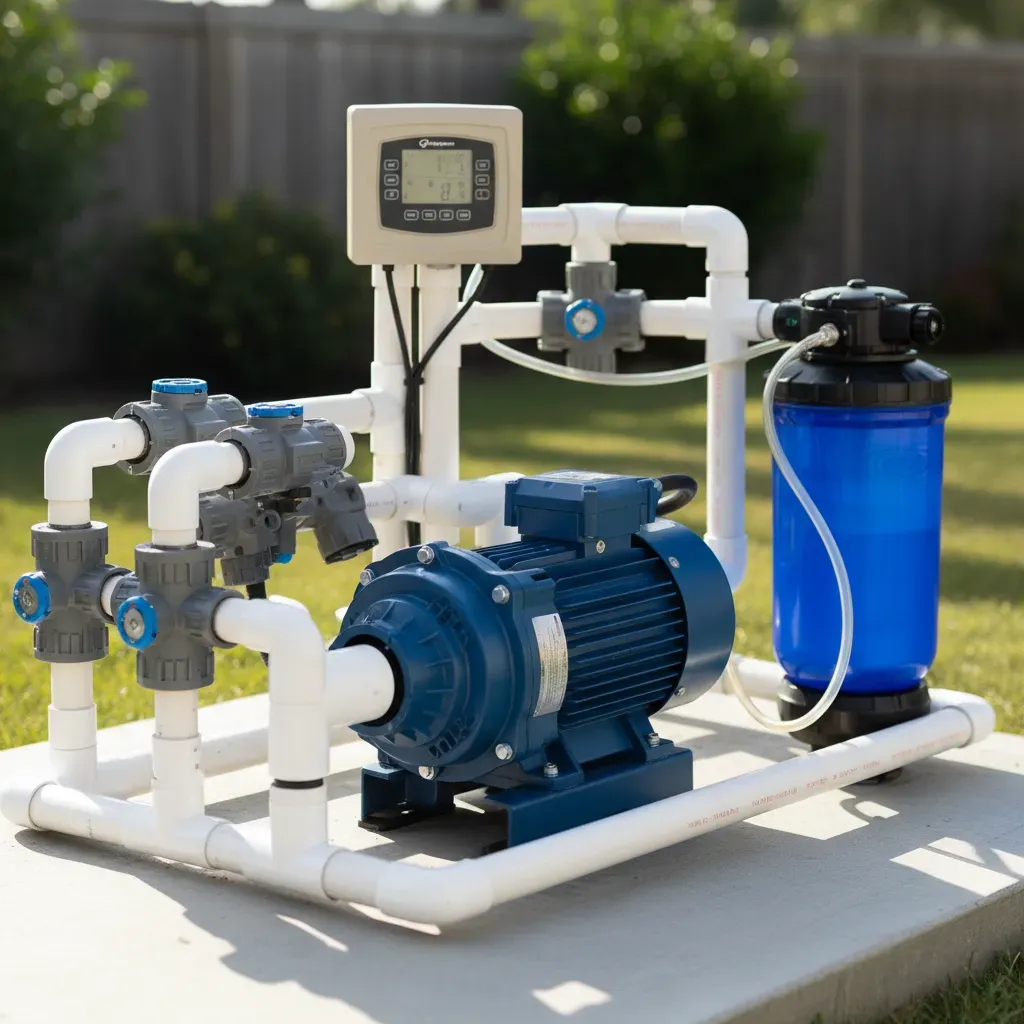
A pool automation system is the brains of your pool. It connects to your pool equipment like pumps, heaters, lights, and chemical feeders, allowing you to control everything from a single app or control panel. Instead of manually operating each piece of equipment, the system coordinates everything automatically based on your preferences and schedules.
How much should I budget for pool automation installation?
For a typical San Diego residential pool, our automation installations run $2,500 to $6,000. A mid-range system that covers most needs falls in the middle of that range, basic systems sit at the low end, and more complex pools with multiple features land at the top. A professional assessment will give you a precise estimate based on your specific pool.
Which pool functions can be automated?
Nearly every pool function can be automated, including filtration and pump scheduling, heating and cooling, LED lighting and color effects, water features like fountains and waterfalls, spa functions, chemical management and dosing, and robotic cleaning systems.
How does pool automation save money?
Pool automation saves money through lower energy consumption with variable-speed pumps and smart scheduling, precise chemical dosing that reduces waste, and extended equipment life from optimal operation. Most systems pay for themselves in 3-5 years through cumulative savings.
Can I install a pool automation system myself?
DIY installation is not recommended. Pool automation involves electrical work near water, which requires specialized expertise. Installation errors can void manufacturer warranties and potentially damage expensive equipment. Professional installation ensures everything is done safely, correctly, and with warranty protection intact.
What is the best automation system for my pool?
The best system depends on your specific priorities. Pentair excels at heating efficiency, Jandy is great for water feature control, and Hayward leads in water chemistry management. A professional assessment will help you choose the system that best matches your pool's configuration and your personal preferences.
How long does installation take?
A typical pool automation installation takes 4-6 hours for a standard residential pool. If you're also replacing pumps or heaters, it may take a full day. Most installers can schedule within 7-10 days of your initial consultation, and your pool is usually operational the same day.
How will I control the system?
Most pool owners primarily use smartphone apps to control their automation system. You can also use optional wall-mounted panels for poolside control, voice commands through Amazon Alexa or Google Assistant, and smart home integration through platforms like Apple HomeKit.
Can pool automation integrate with my smart home?
Yes, modern pool automation systems integrate with popular smart home platforms including Amazon Alexa, Google Home, and Apple HomeKit. This allows you to control your pool alongside your other smart devices and include pool functions in your home automation routines.
How often does the system need updating?
Software updates are typically released 1-2 times per year and are usually applied automatically through your WiFi connection. Hardware rarely needs updating unless you want to add new features. The physical equipment is built to last and doesn't become obsolete quickly.

Kyle Bowman
Founder of PoolLogic · CPO-Certified
Kyle is the Founder of PoolLogic Pool Service and a Certified Pool Operator (CPO) with deep expertise in pool service, water chemistry, and pool equipment repair. He oversees every aspect of PoolLogic's operations to ensure San Diego pool owners receive expert-level care.
Read moreNeed professional pool service?
PoolLogic Pool Service provides expert pool cleaning, maintenance, and repair services throughout San Diego County.