
On this page
Why Proper Pool Draining Matters in San Diego
Draining pools correctly protects families and the environment. Improper draining allows leftover chemicals like chlorine to contaminate local waterways and harm wildlife. Incorrect procedures can also damage pool structures or neighboring properties. Following established procedures ensures safety for everyone and environmental protection.
Safe Pool Draining Procedures
When Is Pool Draining Necessary?
Pool water sometimes accumulates chemical buildup or becomes too contaminated for regular cleaning methods. In these cases, draining and refilling restores water safety and pool enjoyment.
Pre-Draining Safety Checklist
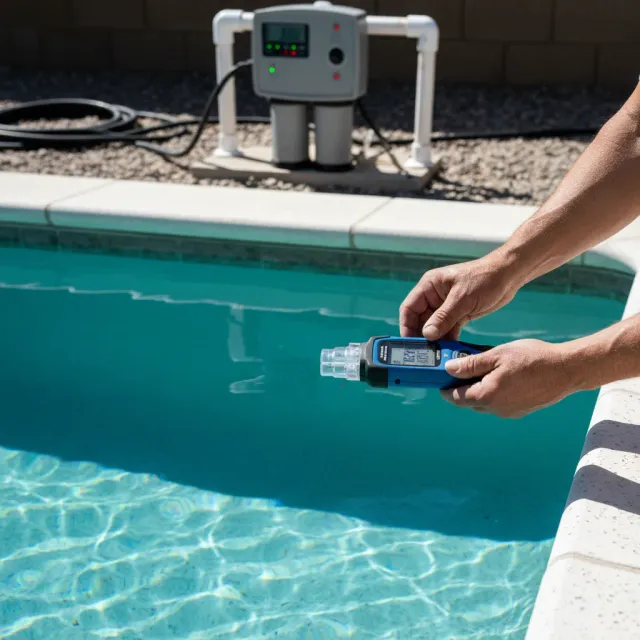
Before beginning, verify weather forecasts to avoid rain that saturates ground and creates hydrostatic pressure. Test groundwater levels, as elevated water can crack pool structures. Obtain necessary permits from local authorities regarding environmental regulations. Plan refilling logistics in advance. Neutralize pool chemicals, particularly chlorine, to prevent environmental harm during water discharge.
Proper Draining Methods
Professionals use submersible pumps to remove water safely at controlled speeds. Water must flow into sewer cleanouts or approved drainage areas complying with local regulations. Slow draining prevents structural damage. Experts monitor groundwater pressure to prevent pool shifting or cracking. Chemical treatment occurs before discharge to eliminate pollution risks.
Hidden Dangers of DIY Pool Draining
Structural Damage Risks
San Diego pools are engineered to remain water-filled. Empty pools experience ground pressure against walls and floors, causing cracks or "pool pop"—where pools shift upward from subsurface pressure.
Safety Hazards
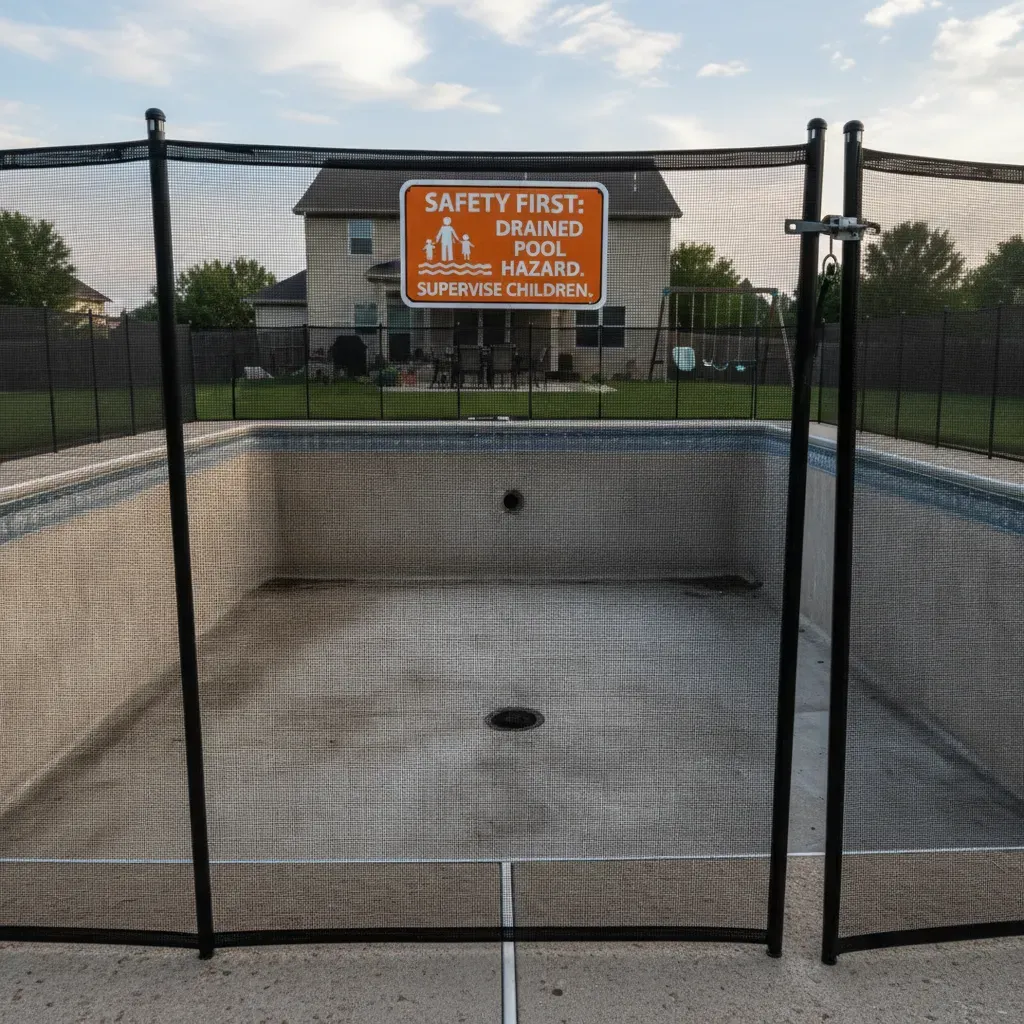
Empty pools create dangerous conditions. Unstable structures increase fall injury risks. Improper equipment and chemical handling causes accidents.
Environment Compliance
Pool water contains chlorine and other chemicals requiring proper disposal. San Diego City regulations dictate drainage procedures. Non-compliance results in fines.
When to Call Professionals
Major Repairs Needed: Cracks, leaks, or significant damage require professional assessment and safe draining procedures.
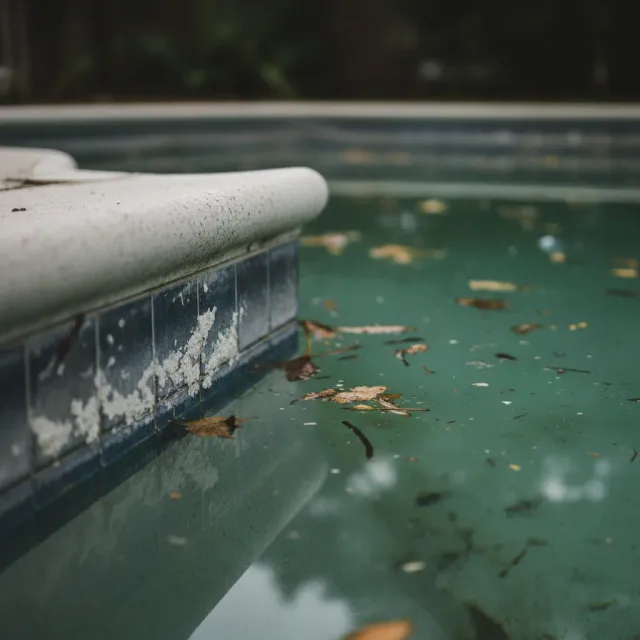
Severely Contaminated Water: Persistent cloudiness or green water indicates stubborn algae or chemical imbalances requiring professional treatment and rebalancing.
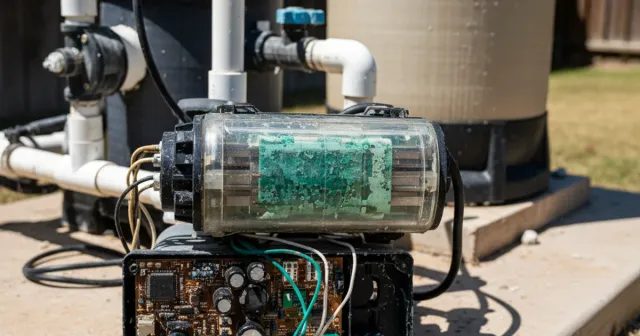
Equipment Malfunction: Unusual pump or filter noises indicate mechanical problems requiring professional inspection and repair.
Strong Chlorine Odors: Overpowering smells suggest inadequate water quality despite appearance. Professionals adjust chemical levels.
Safety Assurance: Professional training ensures safe equipment and chemical handling, minimizing accident and damage risks.
Final Thoughts
Proper pool draining protects families and maintains pool integrity. Professional drain and restart services with efficient setup processes prevent damage and regulatory violations. While DIY approaches may seem simple, improper execution creates expensive consequences. Professionals provide expert guidance for optimal pool care in San Diego's climate.
FAQ
Frequently asked questions
How often should pool drains be cleaned?
Most San Diego pools require cleaning every 3-4 months. High-debris environments need cleaning every 2 months. Pools with covers or minimal trees can extend intervals to 4-6 months.
What are signs my pool drain might be clogged?
Indicators include slow water draining, debris accumulation in specific areas, loud pump operation, or cloudy water despite proper chemicals. Excessive skimmer flow suggests main drain clogging.
Can I clean my pool drain myself?
Surface cleaning and visible debris removal is possible, though deep cleaning benefits from professional service. DIY attempts risk structural damage.
What causes pool drains to clog?
Common culprits include leaves, dirt, hair, sunscreen, oils, toys, jewelry, and tree roots.
Is drain cleaning necessary even if my pool looks clear?
Yes. Regular cleaning prevents major problems, similar to vehicle oil changes.
Do I need to drain my pool to clean the drains?
No. Professionals clean drains while pools remain full. Draining occurs only for major repairs.
How can I prevent drain clogs between cleanings?
Skim pools regularly, trim nearby trees, use pool covers, and encourage swimmers to rinse before entering.
What's the safest way to clear a severely clogged pool drain?
Professional service is essential. Specialists possess proper tools to clear drains safely without causing damage.
Is it legal to drain my pool water into the street in San Diego?
No. San Diego City environmental regulations mandate specific disposal procedures. Always consult professionals or authorities before draining.
How quickly should I refill my pool after draining?
Prompt refilling after cleaning prevents structural damage. Consult professionals for specific timing based on individual pool conditions.

Kyle Bowman
Founder of PoolLogic · CPO-Certified
Kyle is the Founder of PoolLogic Pool Service and a Certified Pool Operator (CPO) with deep expertise in pool service, water chemistry, and pool equipment repair. He oversees every aspect of PoolLogic's operations to ensure San Diego pool owners receive expert-level care.
Read morePool service done right
Need professional pool service?
PoolLogic Pool Service provides expert pool cleaning, maintenance, and repair services throughout San Diego County.