
On this page
Why Pool Pump Maintenance Matters in San Diego
Your pool pump circulates water to maintain cleanliness and safety. Neglect leads to costly issues like clogged impellers and motor failures. Preventative maintenance is the key to avoiding these problems and extending your pump's lifespan.
San Diego's warm, sunny climate with occasional temperature changes requires tailored pump care. These maintenance strategies help keep pumps functioning year-round.
Daily and Weekly Maintenance Tips
Consistent, small actions prevent significant problems with your pool pump.
1. Skim Debris Regularly
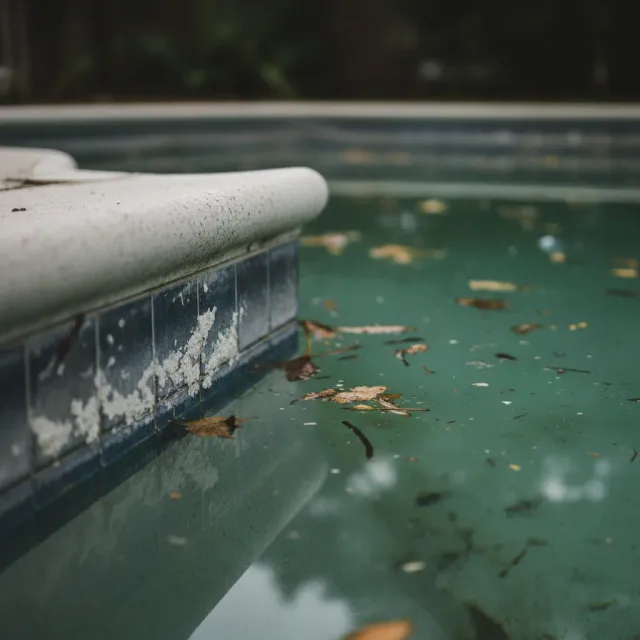
Leaves, bugs, and dirt clog circulation systems, forcing pumps to work harder. Daily skimming - especially during windy weather or storms - keeps water surfaces clear and prevents filtration clogs.
2. Monitor Water Levels
Proper water levels maintain optimal pump pressure. Low water causes pumps to suck air, losing prime and risking damage. Check the water level frequently, ensuring it remains halfway up the skimmer opening.
3. Clean the Pump Basket and Filters Weekly
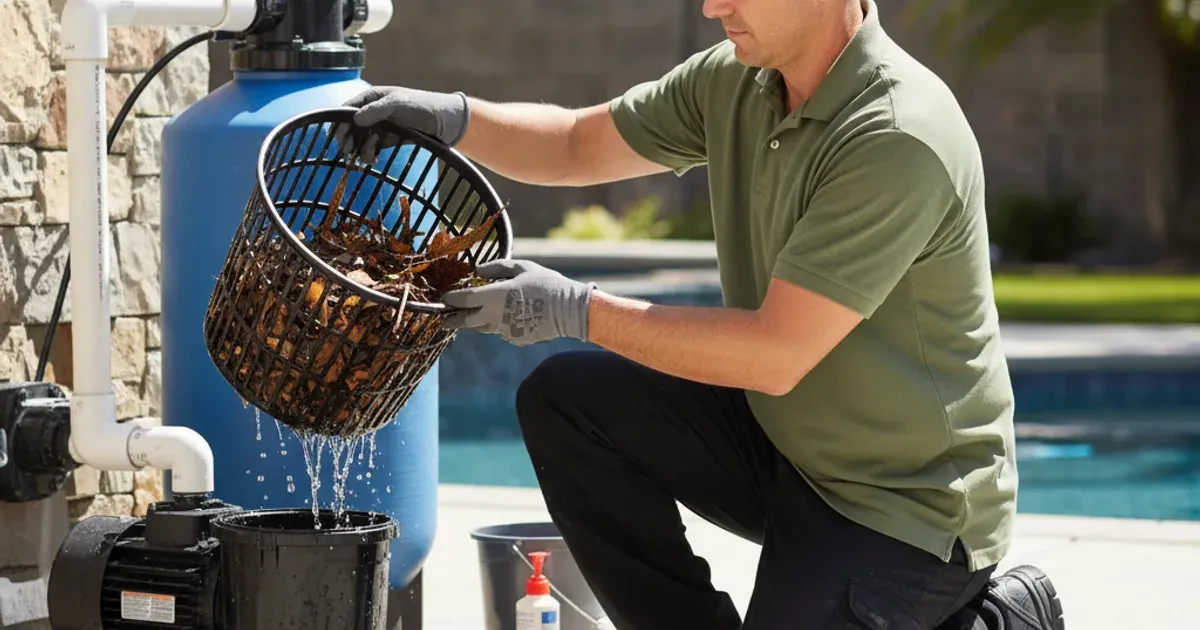
Pump baskets and filters catch debris before reaching motors. Clogged components reduce water flow and cause overheating. Remove pump baskets weekly, clear debris, and rinse thoroughly. Regularly backwash or clean pool filters.
Seasonal Maintenance Tips
San Diego's warm climate means pools run year-round, yet seasonal care remains necessary.
1. Prepare for Peak Use During Warm Months
Summer demands maximum pump performance. Before the season:
- Inspect pumps for leaks, worn seals, or visible issues
- Ensure all electrical connections are secure and functioning
- Schedule professional tune-ups to address potential problems
2. Winterize Your Pump for Cooler Weather
Even mild climates require winterization. Steps include:
- Lowering pump workload by reducing filtration time
- Draining excess water from pumps and pipes to prevent cold-snap damage
- Covering pumps to protect from debris and weather
Signs Your Pump Needs Immediate Attention
Catching early problems prevents extensive damage:
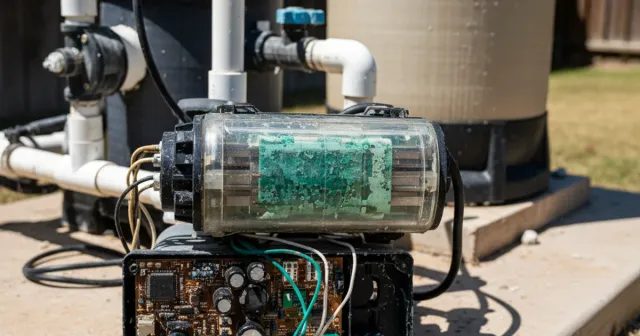
- Unusual Noises: Grinding, humming, or screeching indicate motor or bearing issues
- Reduced Water Flow: Weak circulation suggests clogged impellers or suction lines
- Leaks Around the Pump: Pooled water indicates worn seals, loose fittings, or housing cracks
- Frequent Shutdowns: Repeated stops suggest electrical or motor problems
When to Schedule Professional Inspections
Professional inspections are critical for preventing major pump issues. Experienced technicians can identify hidden problems that might not be visible to the untrained eye.
Professionals also perform deep cleaning, adjustments, and timely repairs. Annual or biannual inspections keep pumps in peak condition and reduce breakdown risks.
Final Thoughts
Proactive pump maintenance prevents costly repairs and extends equipment life. Daily, weekly, and seasonal care keeps pumps running efficiently year-round.
PoolLogic San Diego offers certified technician maintenance and repair services tailored to San Diego's climate. Contact us today to schedule your pool pump service and enjoy a hassle-free swimming season!
FAQ
Frequently asked questions
What are the signs my pool pump needs repair?
Signs include unusual noises, low water flow, leaks around pumps, or frequent shutdowns. Sudden energy bill spikes or cloudy water despite proper chemical balance may also indicate malfunction.
How much does a pool pump repair cost near me?
Repair costs vary by issue complexity and location. Our pool pump repairs run $125 to $500, depending on the issue.
Can I repair my pool pump myself?
Pool owners can handle minor issues like cleaning clogged baskets or replacing worn O-rings with basic tools. Complex electrical, motor, or major leak problems require professional expertise.
Why is my pool pump making a loud noise?
Loud noises indicate several issues. Grinding or screeching signals worn bearings; humming suggests clogged impellers or electrical problems. Air leaks in suction lines also cause unusual sounds.
What causes a pool pump to stop working?
Electrical problems (tripped breakers, loose wiring) or mechanical issues (damaged impellers, motor failure) stop pumps. Suction line clogs, clogged filters, or low water levels also disrupt operation.
Should I repair or replace my pool pump?
Pumps under 7 years old with affordable repairs should be fixed. Pumps over 10 years old or with repair costs exceeding 50% of replacement prices warrant replacement.
How long should a pool pump last?
Well-maintained pumps typically last 8-12 years. Regular cleaning, balanced chemistry, and prompt repairs extend lifespans.
Why is my pool pump leaking?
Worn seals, damaged O-rings, or loose fittings cause leaks. Housing cracks or improper installation also lead to leakage.
What can I do to prevent future pool pump repairs?
Regularly clean baskets and filters, maintain proper water levels, ensure adequate pump ventilation, and inspect seals and O-rings for wear.
How quickly can pool pump repair be completed in San Diego?
Minor repairs (O-ring replacement, clog clearing) take hours. Major repairs like motor replacements may require a day or longer.

Kyle Bowman
Founder of PoolLogic · CPO-Certified
Kyle is the Founder of PoolLogic Pool Service and a Certified Pool Operator (CPO) with deep expertise in pool service, water chemistry, and pool equipment repair. He oversees every aspect of PoolLogic's operations to ensure San Diego pool owners receive expert-level care.
Read morePool service done right
Need professional pool service?
PoolLogic Pool Service provides expert pool cleaning, maintenance, and repair services throughout San Diego County.