
On this page
Understanding Your Pool's Needs
Evaluating your specific pool requirements is essential before pump selection to ensure efficient water circulation and prevent equipment overwork.
Pool Size and Volume
Larger pools require more powerful pumps for effective water circulation and even filtration. Pool volume calculation involves measuring length, width, and average depth in gallons, then determining the required flow rate in gallons per minute (GPM).
The goal is to achieve a complete water turnover within 8 hours, making proper flow rate selection critical for water quality and clarity maintenance.
- Small Residential Pools (10,000 gallons or less): Lower flow rate pumps may suffice
- Large Pools (25,000 gallons or more): Higher GPM ratings needed
Pool Usage Frequency and Type
Residential pools require less powerful pumps due to lighter, sporadic usage, particularly during warmer months. Commercial pools in hotels, gyms, and community centers demand higher-capacity pumps due to larger size, constant use, more swimmers, and longer operating hours requiring significant water turnover rates.
Types of Pool Pumps
Single-Speed Pumps
- Pros: Affordable upfront cost, simple to use
- Cons: High energy consumption, limited efficiency
- Best for: Smaller pools or budget-conscious buyers
Dual-Speed Pumps
- Benefits: High and low-speed settings for energy efficiency during low-demand periods
- Drawbacks: Higher initial cost than single-speed models
- Best for: Medium-sized pools with moderate usage
Variable-Speed Pumps
- Advantages: Highly energy-efficient, quieter operation, customizable speed settings
- Disadvantages: Higher upfront investment
- Best for: Energy-conscious pool owners seeking long-term savings
Key Features to Look For
Energy Efficiency Ratings
Energy Star certification indicates that the pump meets strict energy efficiency standards. Energy-efficient pumps use less electricity while maintaining optimal performance, yielding significant monthly utility bill reductions.
Over time, higher initial costs for efficient pumps offset through reduced operating expenses.
Noise Levels
Pool pumps generate considerable noise that may disrupt backyard ambiance. Quieter pumps, especially variable-speed models, are designed to minimize noise output, making them ideal for residential areas and enhancing the poolside experience while maintaining neighbor relations.
Durability and Warranty
Durable pumps ensure long-lasting performance with fewer repair costs. Look for pumps made from high-quality materials, such as corrosion-resistant metals and sturdy plastics.
Reputable brands provide robust warranties covering parts and labor for several years, offering peace of mind against unexpected breakdowns.
Budget Considerations
Initial Costs
Single-speed pumps offer the most affordable upfront option but consume more energy, leading to higher operational costs. Variable-speed pumps have higher purchase prices but offer substantial energy savings, providing better long-term value.
Long-Term Savings
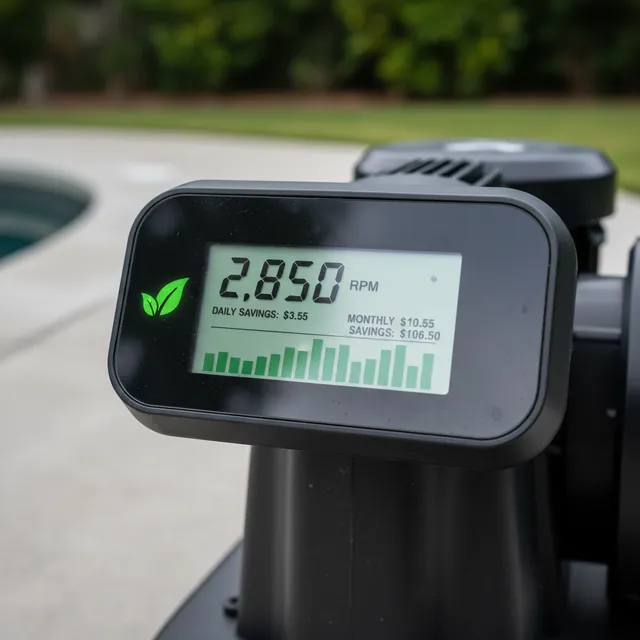
Variable-speed pumps are designed to adjust their speed according to the pool's specific needs, resulting in lower energy consumption. This flexibility can reduce electricity bills by up to 80% compared to single-speed models, compensating for higher initial costs over the pump's lifespan.
Rebates and Incentives
Many local governments and utility companies offer subsidies for energy-efficient pool pump installation. These programs significantly reduce upfront costs, making efficient models more accessible. Checking with local energy providers or government offices may reveal available rebate opportunities.
Consulting with a Professional
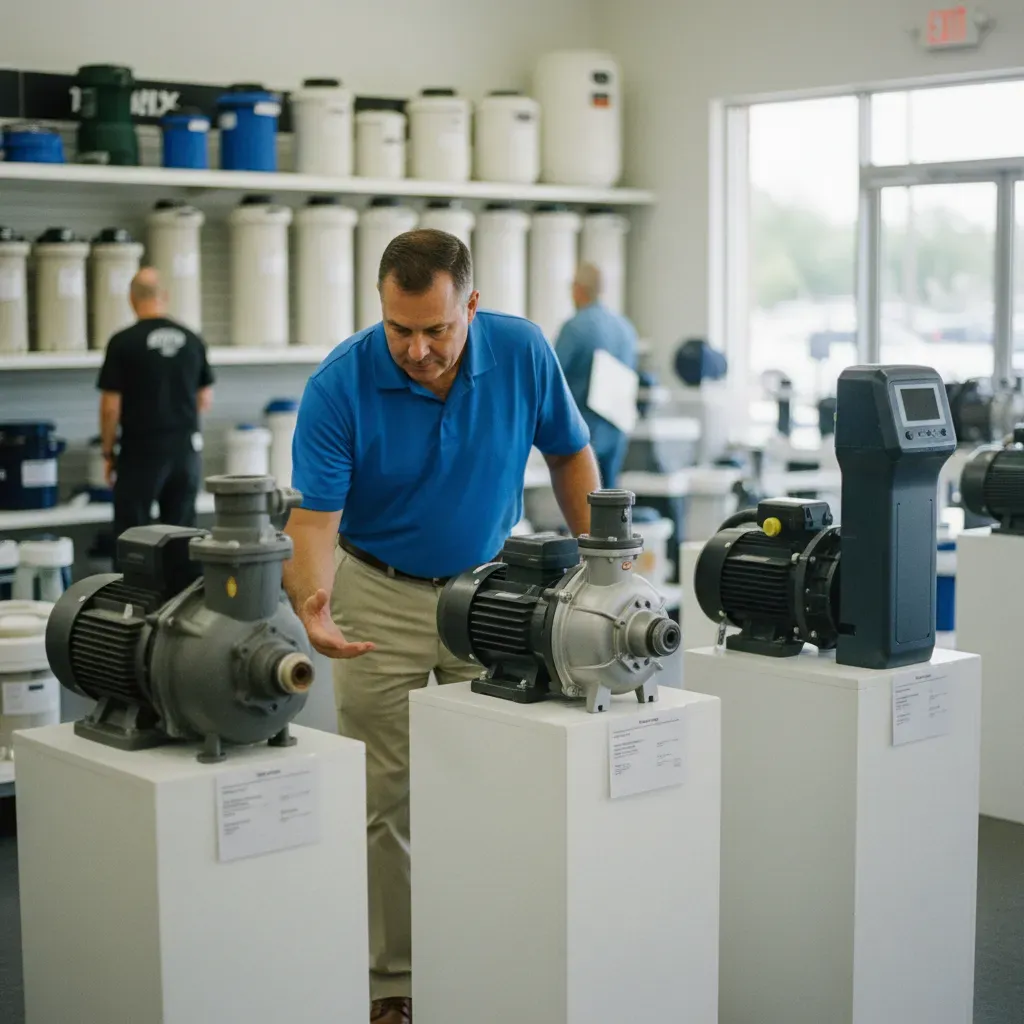
- Customized Recommendations: Pool professionals evaluate unique pool needs and recommend ideal pumps
- Proper Installation: Experts ensure correct installation, maximizing efficiency and lifespan
- Ongoing Support: Professionals provide maintenance tips and support, helping avoid costly repairs
Final Thoughts
Selecting the right pool pump is vital for efficient water circulation, cost savings, and pool health. Understanding pool needs, exploring pump types, and considering key features enables informed decision-making. PoolLogic San Diego offers professional guidance for filter and pump installation services.
FAQ
Frequently asked questions
How much does pool filter installation cost near me?
Our filter installations run $2,285 to $2,800, including parts and labor, depending on filter type and pool size.
How do I choose the right pool filter for my pool?
Selection depends on pool size, usage, and maintenance preferences. Sand filters are low-maintenance and cost-effective; cartridge filters offer superior clarity; DE filters provide the highest filtration levels.
When should I replace my pool filter?
Pool filters typically last 5 to 10 years. Replacement signs include reduced water clarity, frequent clogging, and visible damage.
What are the benefits of upgrading my pool filter?
Upgrades improve water clarity, reduce cleaning frequency, and enhance system efficiency. Newer models are often more energy-efficient, lowering operating costs and extending equipment lifespan.
How long does it take to install a new pool filter?
Professional installation typically requires 2 to 4 hours, depending on system complexity and filter type.
How much does a pool pump installation cost near me?
Our pump installations run $2,450 to $3,500, including parts and labor, depending on pump type.
How do I choose the right pool pump for my pool?
Selection depends on pool size, flow rate requirements, and energy efficiency goals. Single-speed pumps are budget-friendly but less efficient; variable-speed pumps offer significant energy savings and better control.
Should I upgrade to a variable-speed pool pump?
Yes. These upgrades can save up to 80% on energy costs compared to single-speed models, offering quieter operation, longer lifespan, and greater water flow management flexibility.
How long should a pool pump last?
With proper maintenance, pool pumps typically last 8 to 12 years. Regular cleaning and timely component replacement extend lifespan.
What are the benefits of professional pool pump installation?
Professional installation ensures correct pump setup optimized for pool needs, reducing costly mistakes, enhancing efficiency, extending pump lifespan, and ensuring compliance with local safety codes.

Kyle Bowman
Founder of PoolLogic · CPO-Certified
Kyle is the Founder of PoolLogic Pool Service and a Certified Pool Operator (CPO) with deep expertise in pool service, water chemistry, and pool equipment repair. He oversees every aspect of PoolLogic's operations to ensure San Diego pool owners receive expert-level care.
Read morePool service done right
Need professional pool service?
PoolLogic Pool Service provides expert pool cleaning, maintenance, and repair services throughout San Diego County.