
On this page
Understanding Your Pool Filter Type
Cartridge Filters
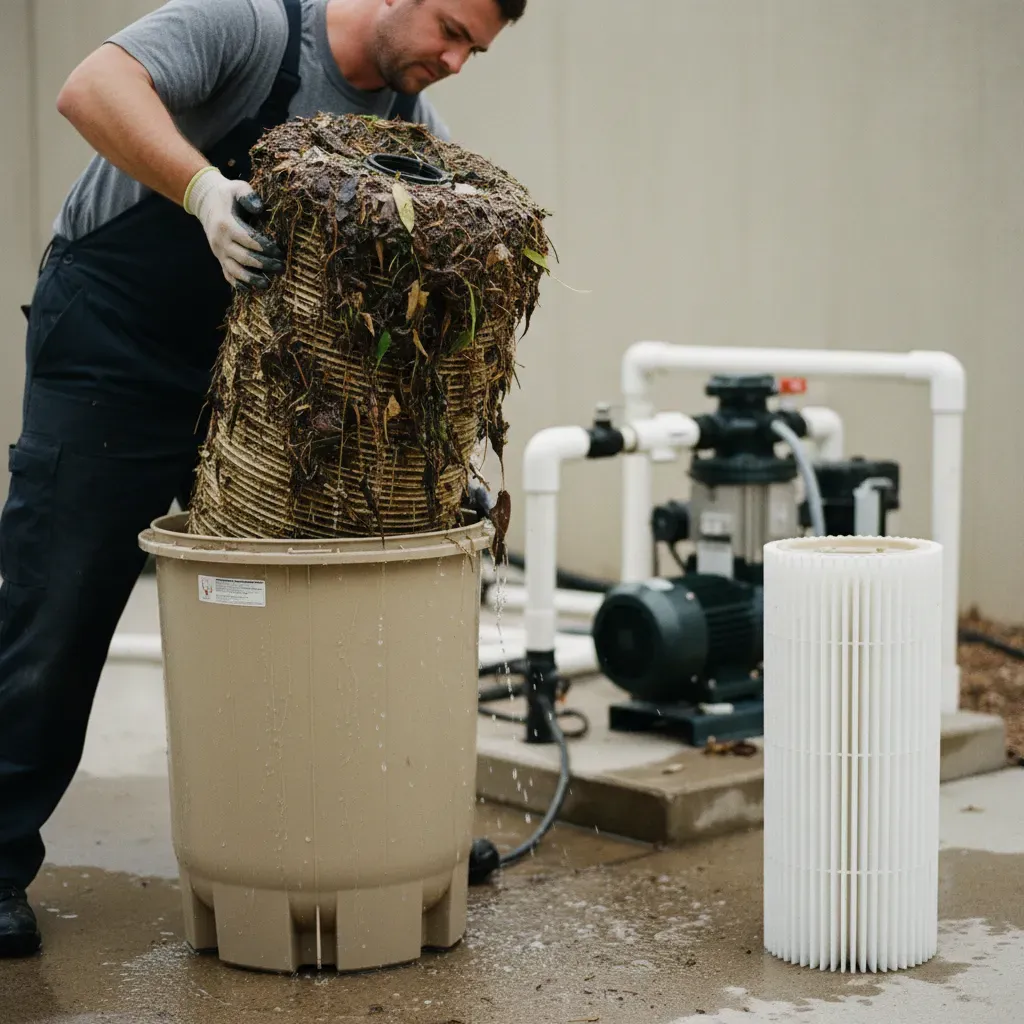
These filters use pleated polyester cartridges trapping particles as small as 10-15 microns. They require cleaning every 4-6 weeks through rinsing with a garden hose. The process is straightforward and efficient for residential pools.
Sand Filters
Sand filters represent traditional filtration systems using special-grade sand to capture debris. Maintenance involves backwashing every 4-6 weeks to reverse water flow and flush contaminants. While less precise than other types, their simplicity and durability make them popular.
DE (Diatomaceous Earth) Filters
These provide the finest filtration available, capturing particles as small as 2-5 microns using fossilized diatoms. They require backwashing every 4-6 weeks plus fresh DE powder addition. The trade-off involves more intensive maintenance for superior water clarity.
Factors Affecting Cleaning Frequency
Environmental Conditions
San Diego's year-round weather exposure means trees, wildlife, dust, and pollen constantly affect pools. During peak seasons (fall leaves or spring pollen), cleaning frequency may increase to every 2-3 weeks instead of the standard 4-6 week schedule.
Pool Usage Patterns
Higher bather loads from frequent swimmers or parties accumulate body oils and sunscreen faster. Pools hosting regular gatherings require accelerated cleaning schedules compared to rarely-used pools.
Water Chemistry Balance
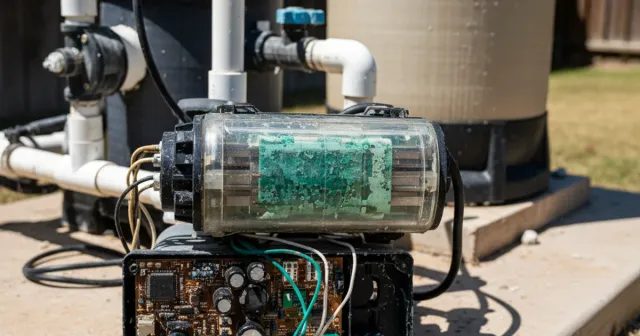
Imbalanced pH or calcium hardness levels cause scaling on filter elements, reducing effectiveness. Regular water testing and adjustment help extend intervals between cleanings.
Signs Your Filter Needs Immediate Attention
Pressure Gauge Readings
When pressure increases 8-10 PSI above normal operating pressure, flow restriction signals cleaning needs. Ignoring this forces pumps to work harder, potentially causing premature failure.
Visual Water Quality Changes
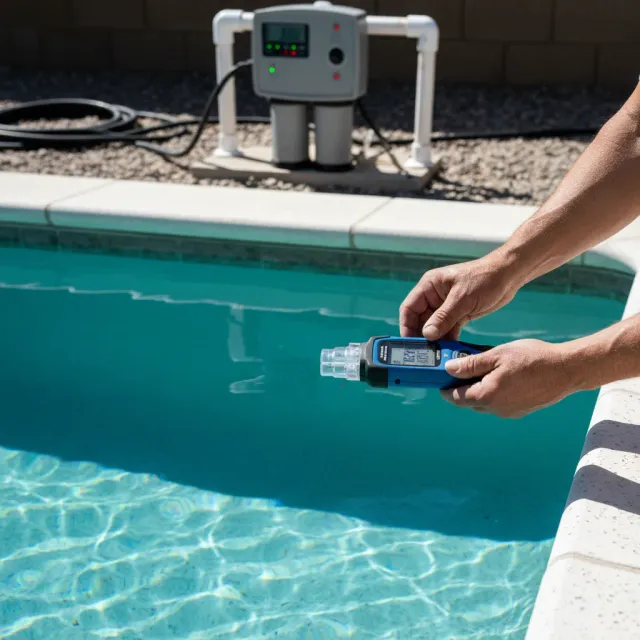
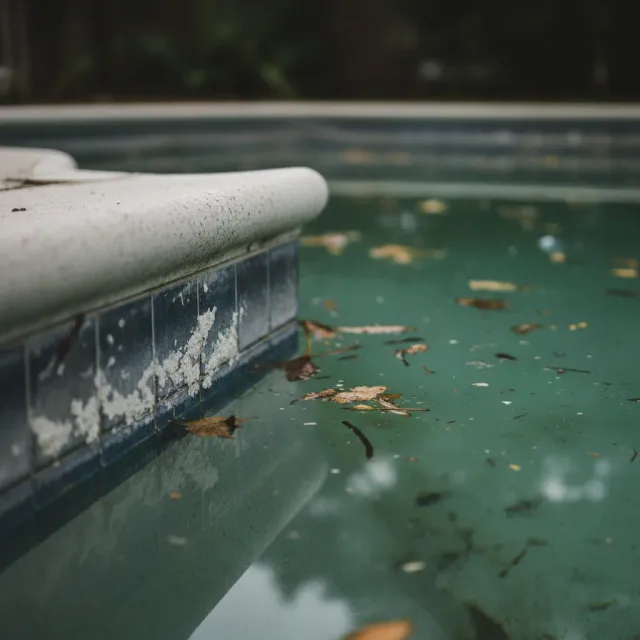
Cloudy water or visible floating debris despite regular skimming indicates filter struggle. Taking periodic photos helps notice gradual clarity decreases over time.
Reduced Water Flow
Weaker return jet pressure or less effective skimming signals restricted water circulation, affecting filtration, chemical distribution, and heating efficiency.
DIY vs. Professional Cleaning
When to Handle It Yourself
Basic maintenance tasks like cartridge rinsing, backwashing, and pressure monitoring are learnable skills. Owner involvement increases awareness of overall pool health.
When to Call Professionals
Deep cartridge cleaning with specialized solutions, thorough DE grid cleaning, and diagnosing complex flow issues require professional equipment and expertise. Professionals spot early wear signs homeowners might miss.
Cost Considerations
Our professional filter cleanings in San Diego run $150 to $200 per service, depending on filter type and condition. This investment should be weighed against personal time value and replacement equipment costs if maintenance is neglected. Many owners balance routine self-maintenance with professional deep cleanings once or twice yearly.
Extending Filter Life Through Proper Maintenance
Establishing a Cleaning Schedule
Consistency proves essential for longevity. Creating maintenance calendars based on specific filter types and usage patterns prevents problems through regular, timely attention.
Proper Cleaning Techniques
Using gentle sprays rather than high-pressure water on cartridges, ensuring complete drainage before adding fresh DE powder, and running complete backwash cycles significantly extends equipment life.
Complementary Maintenance Practices
Using tennis balls to absorb oils, employing pool covers to reduce debris, and maintaining proper chemical balance all reduce filter workload and cleaning frequency needs.
FAQ
Frequently asked questions
How long should my pool filter run each day?
Most professionals recommend 8-12 hours daily during swimming season. San Diego's warm climate typically requires year-round operation, though hours may reduce slightly during cooler months.
Can I use a pressure washer to clean my cartridge filter?
No. High-pressure washers damage delicate cartridge pleats. Always use garden hoses with moderate pressure, working top-to-bottom to rinse debris from pleats.
How often should I replace my filter media?
Cartridges need replacement every 3-5 years, sand every 5-7 years, and DE grids every 7-10 years with proper maintenance. Heavy usage or poor chemistry reduces these timeframes.
Is there a way to tell if my filter needs cleaning without checking the pressure gauge?
Yes. Cloudy water, reduced return jet flow, or increased chemical needs indicate clogging besides pressure readings.
Can I clean my filter at night?
While technically possible, daytime cleaning is preferable for better inspection and thoroughness. Adequate lighting is essential if cleaning after dark.
Will using a pool service eliminate the need for filter cleaning?
Not necessarily. Clarify what's included in service agreements, as many standard contracts don't include deep cleaning.
Does salt water affect filter cleaning frequency?
Salt chlorine systems may increase cleaning frequency due to calcium scale production. Properly balanced salt water shouldn't significantly impact schedules.
Can I use household cleaners on my pool filter?
Never use household cleaners or detergents, which cause foaming and damage filter materials. Use only pool-filter-specific cleaners.
Should I clean my filter before closing my pool for winter?
Yes. Even in mild San Diego climates, start with a clean filter before reducing winter operation to prevent biological growth and hardened debris.
How do I know if I need a new filter versus just a cleaning?
High pressure readings after thorough cleaning or visible cartridge tears, cracks, or collapsed pleats indicate replacement rather than cleaning.

Kyle Bowman
Founder of PoolLogic · CPO-Certified
Kyle is the Founder of PoolLogic Pool Service and a Certified Pool Operator (CPO) with deep expertise in pool service, water chemistry, and pool equipment repair. He oversees every aspect of PoolLogic's operations to ensure San Diego pool owners receive expert-level care.
Read morePool service done right
Need professional pool service?
PoolLogic Pool Service provides expert pool cleaning, maintenance, and repair services throughout San Diego County.