
On this page
Why Hot Tub Cleaning Frequency Matters
The Science Behind Clean Water
Proper maintenance requires understanding how sanitizers neutralize contaminants. As sanitizers deplete through regular use, their effectiveness diminishes against bacteria and unwanted organisms.
The Cost of Neglect
Skipping regular cleanings leads to premature equipment failure, shortened component lifespan, increased chemical consumption, and potential health risks. Poor maintenance can necessitate expensive repairs.
The Benefits of Regular Maintenance
Consistent cleaning provides clear water, efficient heating and circulation that may lower energy costs, extended equipment life, and peace of mind regarding safety.
Factors That Influence Cleaning Frequency
Usage Patterns
Daily users should check chemicals every 2-3 days and clean filters weekly. Weekly users can manage with weekly chemical checks and bi-weekly filter cleaning. Occasional users (1-3 times monthly) can handle monthly maintenance.
Bather Load
More users mean more oils, organic matter, pH fluctuations, and faster filter accumulation, requiring more vigilant monitoring.
Environmental Exposure
Outdoor tubs face challenges from leaves, pollen, and dust. Indoor tubs deal with humidity concerns. Regional factors like hard water and temperature extremes create unique maintenance needs.
Water Quality Indicators
Cloudy water suggests chemical imbalances or filter problems. Foam indicates body oil and cosmetic buildup. Scale shows mineral accumulation. Unusual odors signal bacterial growth or chemical issues.
Creating Your Personalized Cleaning Schedule
Weekly Maintenance Essentials
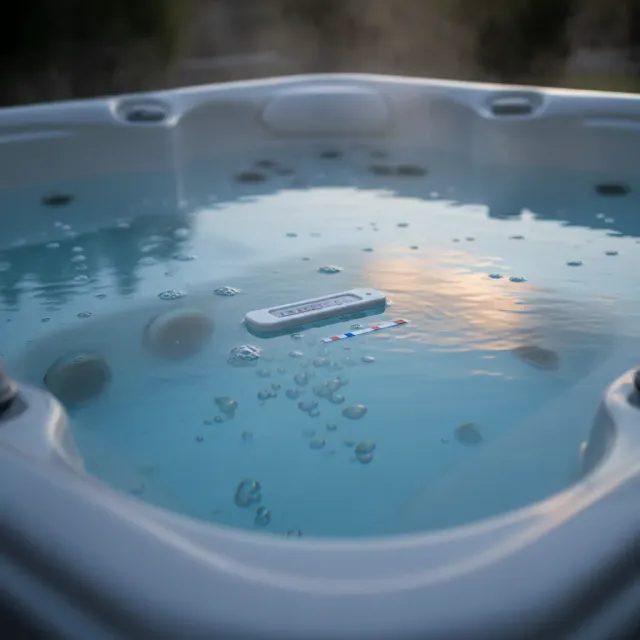
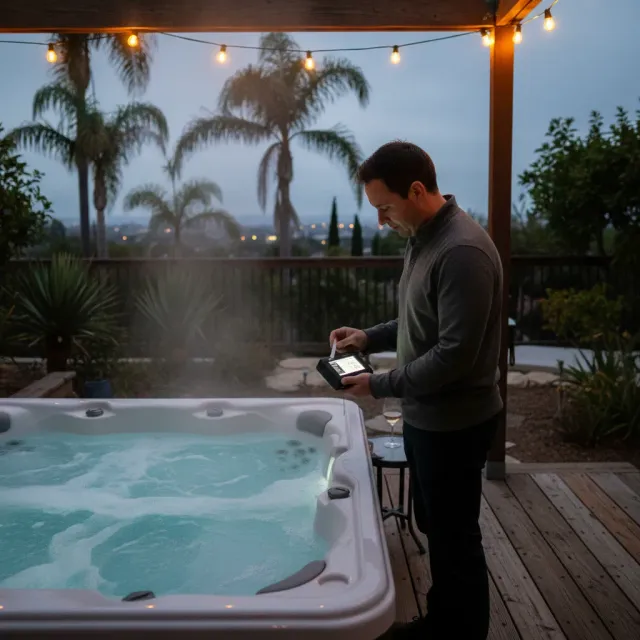
Test water chemistry using reliable tools. Adjust pH (7.2-7.8), alkalinity, and sanitizer levels. Skim surface debris. Wipe the waterline. Check and top off water level.
Monthly Deep-Clean Routine
Remove and clean filters per manufacturer recommendations. Shock the water to break down organic contaminants. Inspect and clean the cover. Check equipment for leaks. Clean the shell above the waterline.
Quarterly System Refresh
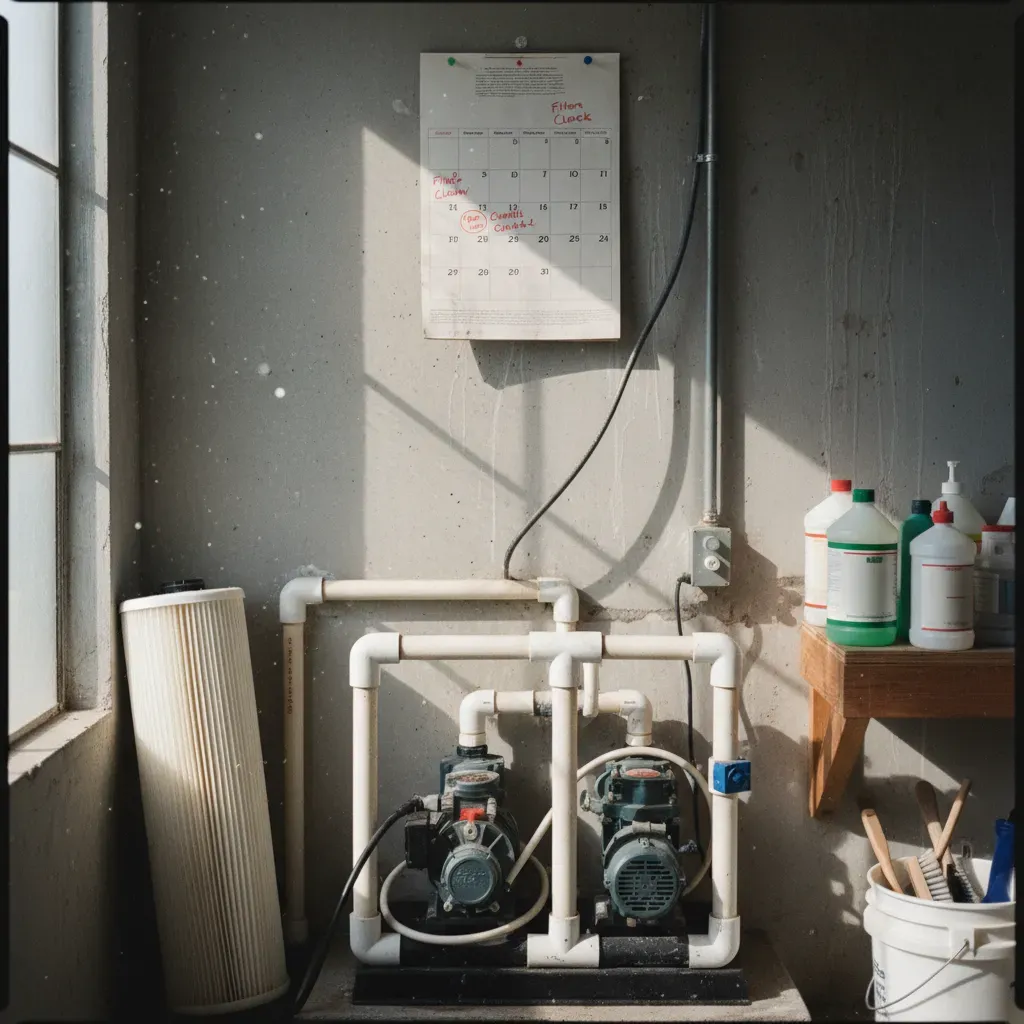
Drain and refill with fresh water. Deep clean the empty shell with non-abrasive cleaners. Flush plumbing systems. Inspect and replace worn components. Thoroughly clean or replace filters.
Annual Professional Assessment
Schedule a comprehensive system inspection by trained technicians, a professional-grade plumbing flush, equipment optimization, water quality assessment, and guidance on extending equipment life.
Warning Signs Your Hot Tub Needs Immediate Attention
Water Quality Red Flags
Persistent cloudiness despite chemical treatment, strong chlorine smell, slippery surfaces, persistent foam, and green or yellowish tinting all require immediate attention.
Equipment Performance Issues
Weak jet pressure, unusual noises, heater temperature struggles, control panel error codes, and frequent pump cycling indicate maintenance is needed.
Structural Concerns
Waterlogged covers, acrylic cracks, leaks around fittings, water-damaged cabinets, and excessive vibration warrant immediate inspection.
User Experience Changes
Skin irritation, eye or respiratory irritation, off-feeling water, lingering odors, and temperature inconsistencies suggest problems that need addressing.
Expert Tips for Maintenance Success
Water Chemistry Mastery
Invest in quality testing equipment. Understand pH, alkalinity, and sanitizer relationships. Add chemicals with circulation running. Wait 15-30 minutes between chemical additions. Keep detailed records.
Filter Care Fundamentals
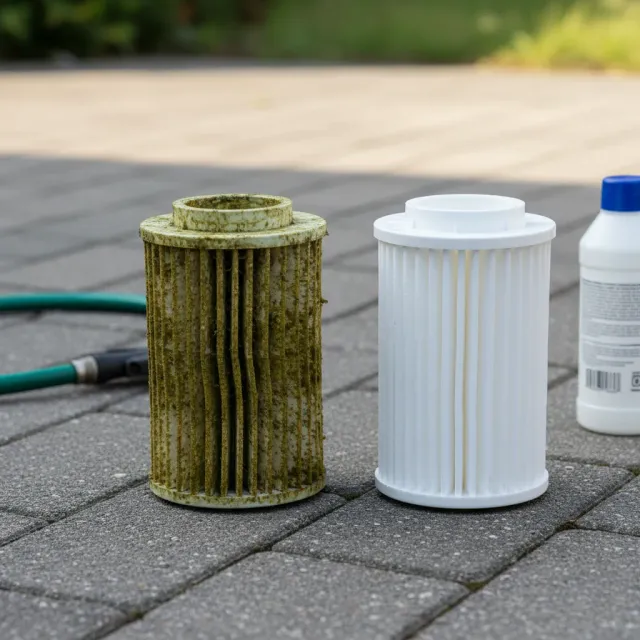
Keep spare filters for swapping during cleaning. Use garden hose pressure nozzles for weekly rinses. Soak filters monthly in appropriate cleaners. Allow complete drying before reinstalling. Replace per manufacturer recommendations (typically 1-2 years).
Cover Maintenance Matters
Clean the underside monthly to prevent mold. Apply vinyl protectant quarterly for UV protection. Remove snow promptly in winter. Allow covers to breathe occasionally. Replace when weight indicates water absorption.
Time-Saving Technology
Automatic sanitizer dispensers maintain consistent levels. Mineral purifiers reduce chemical needs. Ozonators and UV systems provide supplemental sanitization. Smart monitors alert users via smartphone apps. Scheduled circulation keeps water moving optimally.
FAQ
Frequently asked questions
How often should I drain and refill my hot tub?
For most hot tubs with average use, draining and refilling every 3-4 months is recommended. Calculate by multiplying the number of users by weekly frequency to determine your optimal drain schedule.
Can I use household cleaners on my hot tub?
Avoid household cleaners as they cause foaming, damage equipment, and interfere with water chemistry. Use spa-specific, non-abrasive products instead.
Why does my hot tub water get cloudy so quickly?
Cloudiness stems from imbalanced pH, insufficient sanitizer, clogged filters, high calcium hardness, or organic matter buildup. Check chemistry and clean filters first.
Is it better to leave my hot tub running continuously or turn it off?
For regular users, continuous operation at a maintained temperature is more energy-efficient than repeatedly heating cold water. Occasional users might lower the temperature during extended non-use periods.
How can I reduce chemical usage?
Install UV or ozone generators, use mineral purifiers, cover the tub when unused, shower before entering, and maintain proper water balance.

Kyle Bowman
Founder of PoolLogic · CPO-Certified
Kyle is the Founder of PoolLogic Pool Service and a Certified Pool Operator (CPO) with deep expertise in pool service, water chemistry, and pool equipment repair. He oversees every aspect of PoolLogic's operations to ensure San Diego pool owners receive expert-level care.
Read morePool service done right
Need professional pool service?
PoolLogic Pool Service provides expert pool cleaning, maintenance, and repair services throughout San Diego County.