
On this page
Why Regular Pool Drain Cleaning Matters
Health and Safety First
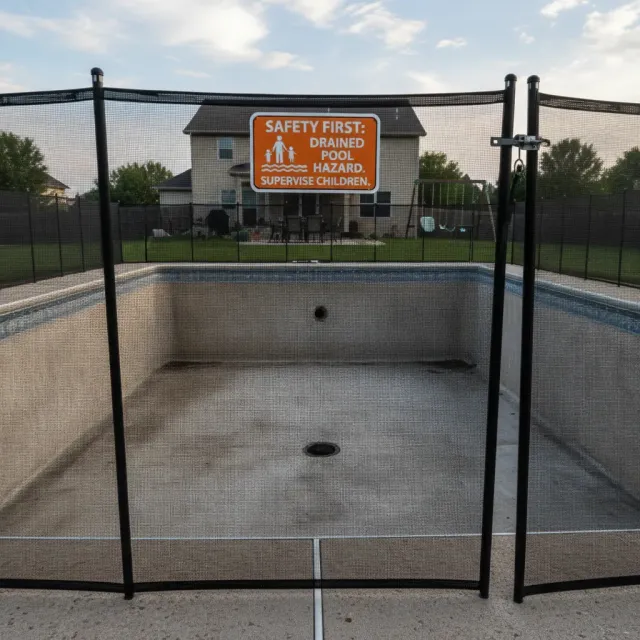
Clogged drains create environments where bacteria and algae thrive. Suction hazards and health risks associated with poor drainage systems are particularly concerning for children.
Protecting Your Investment
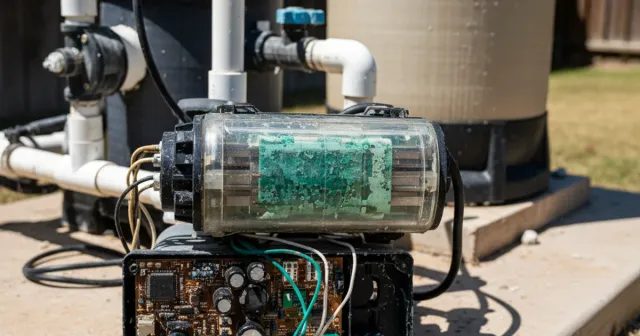
Neglected drains force pumps to work excessively, leading to equipment failure. A neighbor's experience required a new pump after months of ignoring drainage issues, and our pump replacements run $2,450 to $3,500. Regular maintenance is preventive investment against expensive repairs.
Enhanced Swimming Experience
Proper drain function maintains water clarity and circulation. When drains flow freely, chemical balance improves and the overall swimming experience becomes more enjoyable. Crystal-clear water encourages more frequent pool use.
DIY Pool Drain Cleaning: What You Need to Know
Common Methods Worth Trying
Recommended DIY techniques include daily skimming to prevent debris accumulation, using garden hoses for minor blockages, employing plumbing snakes for deeper clogs, and applying pool-specific chemical cleaners carefully.
Tools of the Trade
Essential equipment includes quality pool skimmer nets, wet/dry vacuums designed for pools, appropriately-sized plumbing snakes, and protective gear including gloves, goggles, and non-slip footwear.
The Real Risks You Should Consider
Improper DIY techniques can damage pool components. DIY cleaning often addresses symptoms rather than underlying problems. Chemical cleaners misused can damage drain components or disrupt water chemistry.
Best Practices for Safe DIY Cleaning
Know Your System
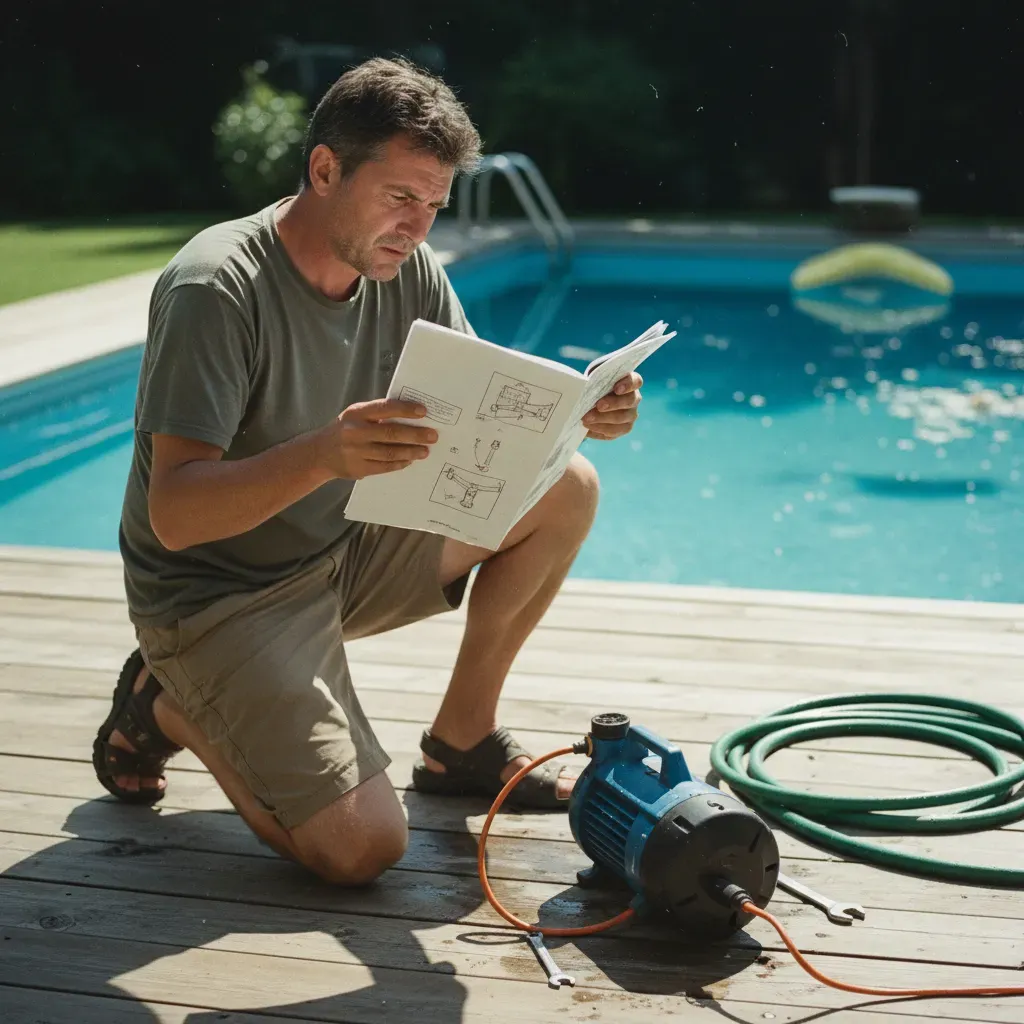
Pool owners should understand their specific drainage system by consulting manuals, builders, or system-specific resources before attempting maintenance.
Safety First, Always
Critical safety measures include turning off equipment before cleaning, wearing chemical-resistant gloves and eyewear, avoiding chemical mixing, and having someone present during work.
Work Methodically
Start with least invasive methods, clean one section at a time, check progress regularly, and document effective approaches.
When to Call the Professionals
Red Flags That Scream "Expert Help Needed"
Warning signs include water backing up despite efforts, unusual pump or filtration system noises, multiple clogged drains suggesting systemic issues, and recurring clogs returning shortly after cleaning.
What Professional Pool Drain Cleaning Involves
Professional services include comprehensive system inspection, high-powered hydro-jetting, professional-grade vacuums, and expert assessment of potential underlying issues.
The Value Proposition
While costing more initially, professional services prevent expensive equipment damage, save time, provide peace of mind, and deliver long-term savings through proper maintenance extending system life.
Preventive Maintenance: The Key to Fewer Drain Problems
Daily Habits That Make a Difference
Recommended practices include quick daily skimming, rinsing before swimming, maintaining proper chemical balance, and regularly checking skimmer baskets.
Seasonal Maintenance Checklist
Spring requires deep cleaning for winter buildup removal; summer demands frequent checks during peak use; fall needs extra vigilance against leaves; winter requires proper winterization.
Smart Upgrades Worth Considering
Investments include modern anti-clog drain covers, automated skimmers, secondary filter systems, and pool covers reducing debris accumulation.
Choosing the Right Professional Service
Questions to Ask Before Hiring
Inquire about experience duration, expertise with specific pool types, available references, and emergency service availability.
What a Comprehensive Service Should Include
Quality service encompasses thorough system inspection, clear problem explanation, transparent pricing, and follow-up prevention guidance.
FAQ
Frequently asked questions
How often should I clean my pool drains?
Professional drain cleaning should occur at least annually, with DIY maintenance between visits. Increased frequency may be necessary for high-debris environments or heavy usage patterns.
What are the most obvious signs of a clogged pool drain?
Observable indicators include unusual pump noises, persistent water cloudiness despite chemical treatment, debris gathering around drains, and weakened water flow from jets.
Can chemical cleaners damage my pool system?
Yes. Non-pool-specific cleaners can corrode pipes, damage plastic components, and disrupt water chemistry. Only pool-specific cleaners should be used.
How much does professional pool drain cleaning typically cost?
In San Diego, the cost depends on system complexity and clog severity. You can see our current rates on our <a href="/pool-service-cost-san-diego/#equipment-pricing">pool service pricing page</a>. Regular maintenance packages offer approximately 20% savings versus emergency cleanings.
Do I need to drain my pool completely for drain cleaning?
Complete draining is rarely necessary. Professional services typically work with filled pools, occasionally lowering water levels minimally.
What's the difference between main drain cleaning and skimmer cleaning?
Skimmer cleaning involves surface openings requiring basic maintenance; main drain cleaning addresses bottom-level plumbing requiring specialized tools and professional expertise.
Can a clogged drain damage my pool pump?
Absolutely. Clogs force pumps to overwork, leading to overheating and eventual failure—potentially requiring expensive replacement.
Is DIY drain cleaning safe for vinyl-lined pools?
Vinyl pools require extreme caution. DIY cleaning risks tearing liners, resulting in costly repairs. Professional service is recommended.
How long does professional drain cleaning usually take?
Typical service duration ranges from 1-3 hours, depending on system neglect levels and complexity.
Can regular brushing help prevent drain clogs?
Yes. Twice-weekly brushing prevents algae establishment and keeps debris floating for filter capture before reaching drains.

Kyle Bowman
Founder of PoolLogic · CPO-Certified
Kyle is the Founder of PoolLogic Pool Service and a Certified Pool Operator (CPO) with deep expertise in pool service, water chemistry, and pool equipment repair. He oversees every aspect of PoolLogic's operations to ensure San Diego pool owners receive expert-level care.
Read morePool service done right
Need professional pool service?
PoolLogic Pool Service provides expert pool cleaning, maintenance, and repair services throughout San Diego County.