
On this page
Understanding Pool Automation Systems
What Exactly Is Pool Automation?
Pool automation systems are technological solutions that allow you to control and monitor various pool functions remotely. Think of it as smart home technology applied specifically to your pool. These systems manage everything from basic functions like filtration and heating to advanced features including lighting, water features, and chemical balance.
Key Components of a Modern Automation System
Most comprehensive pool automation systems include the following key components:
- Control Panel: The system's brain, typically installed near your pool equipment pad
- Remote Controls: Smartphone apps, wall-mounted panels, or handheld devices for easy access
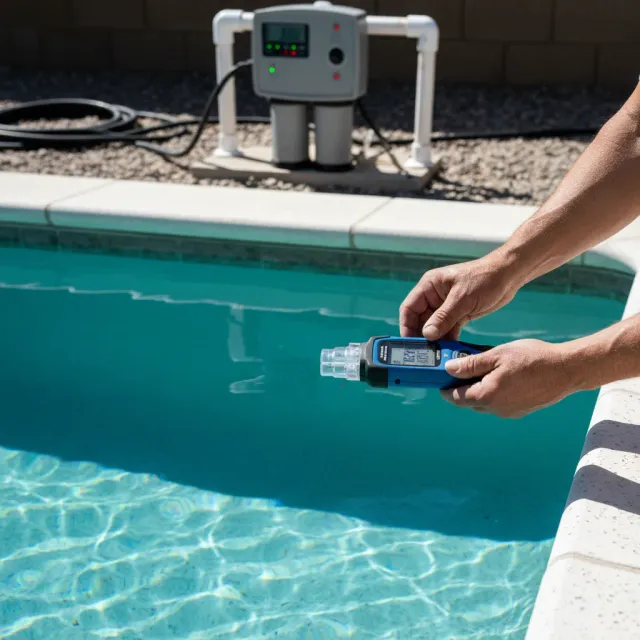
- Smart Sensors: Monitors that track water temperature, chemistry levels, and other critical parameters
- Automated Valves: Control water flow between different pool features like the spa, pool, and water features
- Chemical Dispensers: Automatically add the right amount of chemicals to maintain water balance
Benefits of Installing a Pool Automation System
Time-Saving Convenience
The most immediate advantage of pool automation is the dramatic reduction in time spent on pool maintenance. Instead of spending your weekends testing water, adjusting chemicals, and manually operating equipment, the system handles these routine tasks automatically. It alerts you only when human intervention is genuinely necessary.
Energy Efficiency and Cost Savings
Modern automation systems optimize heating schedules, filtration cycles, and pump operation to minimize energy consumption. By running equipment only when needed and at the most efficient speeds, these systems significantly reduce your electricity costs. Many pool owners report savings of 30-50% on their pool-related utility bills after installing automation.
Extended Equipment Lifespan
When pool equipment operates only when needed and under optimal conditions, it lasts significantly longer. Automation systems prevent the wear and tear that comes from improper operation, like running a pump at full speed when low speed would suffice. This can potentially add years to the life of your expensive pool equipment, delaying costly replacements.
Choosing the Right Installation Service
Qualifications and Certification
When seeking installation services, prioritize companies with proper certifications and extensive experience:
- Licensed pool contractors with specific automation system experience
- Manufacturer certifications from major automation system providers
- Positive reviews specifically mentioning automation installation work
- Proof of insurance and appropriate business licenses
Questions to Ask Potential Installers
Before hiring an installer, ask these critical questions:
- How many automation systems have you installed in the past year?
- What brands do you specialize in, and why?
- Will you provide training on system usage after installation?
- What warranty do you offer on your installation work?
- Do you provide ongoing support after installation?
Red Flags to Watch For
Be cautious of installation services that:
- Cannot provide references from recent automation installations
- Offer unusually low prices compared to other quotes
- Push a particular brand without discussing your specific needs
- Lack familiarity with the latest smart home integration options
- Cannot clearly explain the installation process and timeline
The Installation Process Explained
Pre-Installation Assessment
Quality installation begins with a thorough assessment of your existing pool systems and automation needs. A professional installer evaluates your current equipment, electrical setup, and connectivity options before recommending specific solutions. This assessment ensures the right system is chosen for your pool's unique requirements.
Typical Installation Timeline
Most pool automation installations follow this general timeline:
- Step 1: Initial consultation and system selection (1-2 days)
- Step 2: System ordering and delivery (1-2 weeks)
- Step 3: Installation preparation (1 day)
- Step 4: Primary system installation (1-3 days)
- Step 5: Testing and calibration (1 day)
- Step 6: Owner training and handoff (2-3 hours)
What to Expect During Installation
During installation, expect some disruption to normal pool operation. The process typically involves:
- Electrical work to connect the control system to your equipment
- Installation of sensors throughout the pool system
- Replacement or modification of valves and actuators
- Integration with your home Wi-Fi network
- Programming and initial setup of all automation features
Popular Automation Systems Compared
Entry-Level Options
Entry-level automation systems offer user-friendly operation with essential functions:
- Basic timer and temperature control systems
- Single-function automation (heating OR chemical management)
- Remote control options with limited smartphone features
These systems are ideal for pool owners who want to automate the basics without a large investment.
Comprehensive Solutions
For pool owners who want the full automation experience, comprehensive systems offer:
- Full integration with home automation systems
- Advanced water chemistry management with automatic dosing
- Energy optimization algorithms that learn your usage patterns
- Customizable schedules for every pool function
Smart Home Integration Capabilities
Modern pool automation systems can connect with popular smart home platforms, giving you voice control and unified automation. Compatible platforms include Amazon Alexa, Google Home, Apple HomeKit, and Samsung SmartThings. This integration allows you to include pool functions in your broader home automation routines.
Final Thoughts
Finding the right pool automation system and installation service transforms pool ownership from a time-consuming chore into genuine pleasure. Whether you choose a basic system to automate the essentials or a comprehensive solution that handles everything, professional installation ensures your investment is protected and your system performs at its best.
PoolLogic offers comprehensive pool automation services tailored to your individual needs. Our experienced technicians handle everything from initial assessment through installation, training, and ongoing support. Contact us today to discover how pool automation can transform your swimming experience.
FAQ
Frequently asked questions
How much does pool automation installation typically cost?
Installation costs vary depending on pool size, existing equipment, and system complexity. Our pool automation installations run $2,500 to $6,000, with basic systems toward the lower end and comprehensive systems toward the higher end. Most homeowners find a mid-range system offers the best balance of features and value.
Can I install a pool automation system myself?
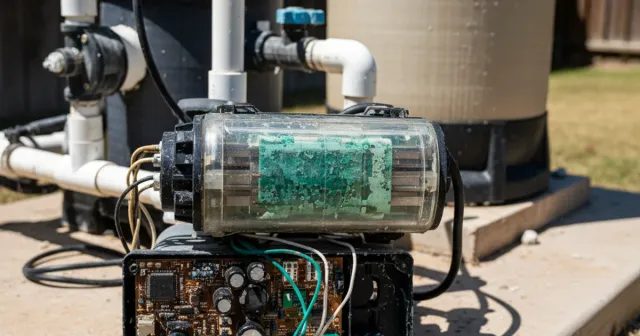
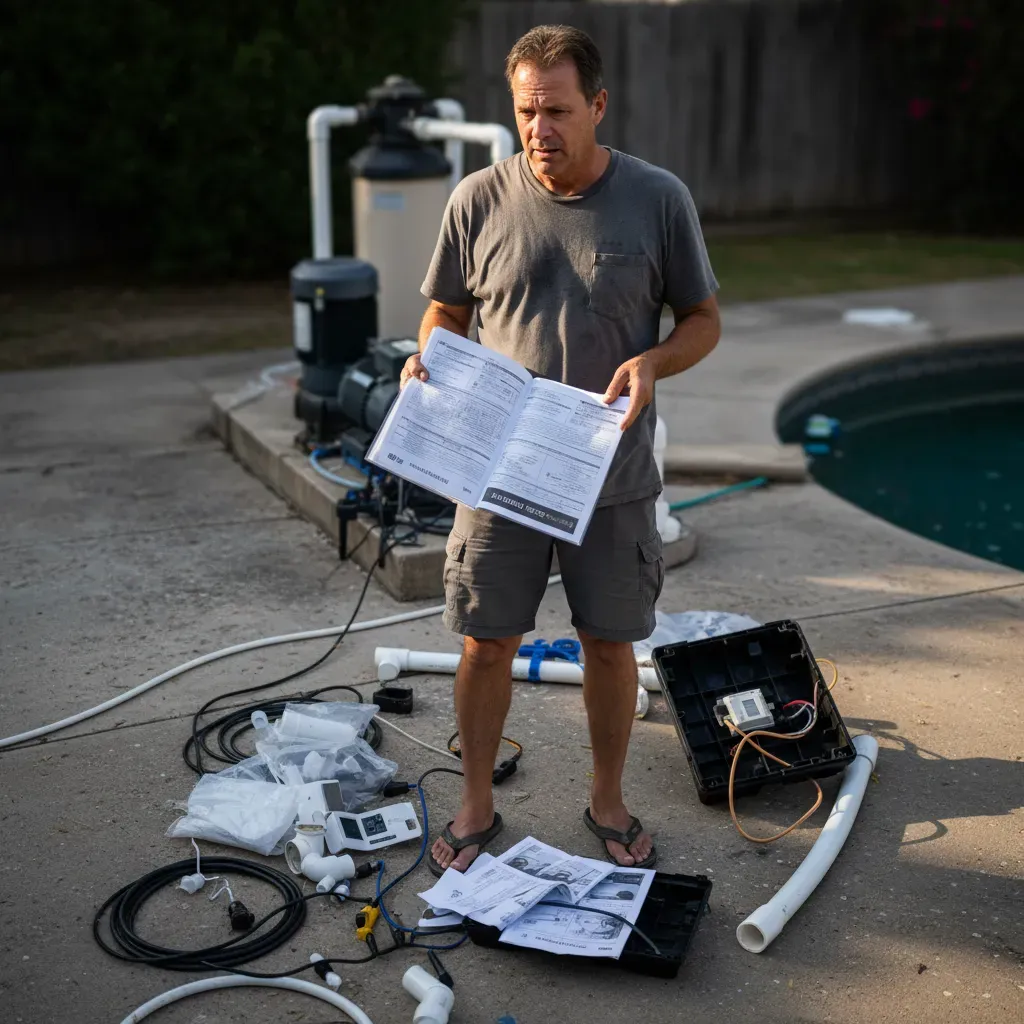
While DIY installation is technically possible for those with strong electrical and plumbing skills, professional installation is strongly recommended. Improper installation can damage expensive equipment, void warranties, create safety hazards, and ultimately cost more to fix than professional installation would have cost.
How long do pool automation systems typically last?
With proper maintenance, main control units typically last 7-10 years, while sensors and actuators may need replacement every 3-5 years. Software updates can extend the useful life of your system, and many components can be upgraded individually without replacing the entire system.
Will automation completely eliminate the need for pool maintenance?
Automation significantly reduces routine maintenance but doesn't eliminate it entirely. You'll still need occasional professional service to check mechanical components, perform deep cleaning, and handle tasks beyond automation capabilities. Many pool owners reduce professional service visits by 50-75% after installing automation.
What happens if my internet connection goes down?
Most quality automation systems have fail-safe operations that continue running basic functions without internet connectivity. While remote smartphone access may temporarily cease, the system continues running filtration, maintaining water chemistry, and operating according to its pre-programmed settings until connectivity is restored.

Kyle Bowman
Founder of PoolLogic · CPO-Certified
Kyle is the Founder of PoolLogic Pool Service and a Certified Pool Operator (CPO) with deep expertise in pool service, water chemistry, and pool equipment repair. He oversees every aspect of PoolLogic's operations to ensure San Diego pool owners receive expert-level care.
Read morePool service done right
Need professional pool service?
PoolLogic Pool Service provides expert pool cleaning, maintenance, and repair services throughout San Diego County.