
On this page
Using Inappropriate Cleaning Products
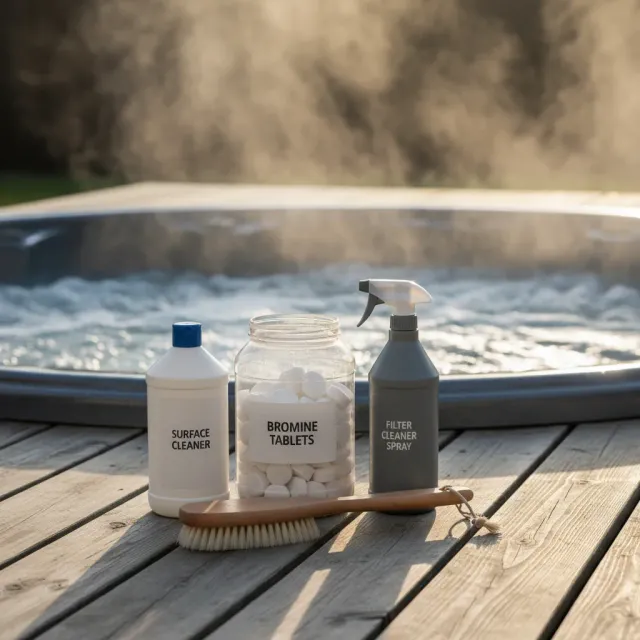
Many owners mistakenly use harsh household cleaners like bleach, ammonia, or dish soap, which damage tub surfaces, corrode components, and disrupt water chemistry. Instead, use spa-specific cleaners and sanitizers like bromine or chlorine. A water-and-vinegar mixture serves as a safe alternative for tough stains. Professional services can provide guidance on appropriate products for your specific hot tub model.
Neglecting Filters and Jets
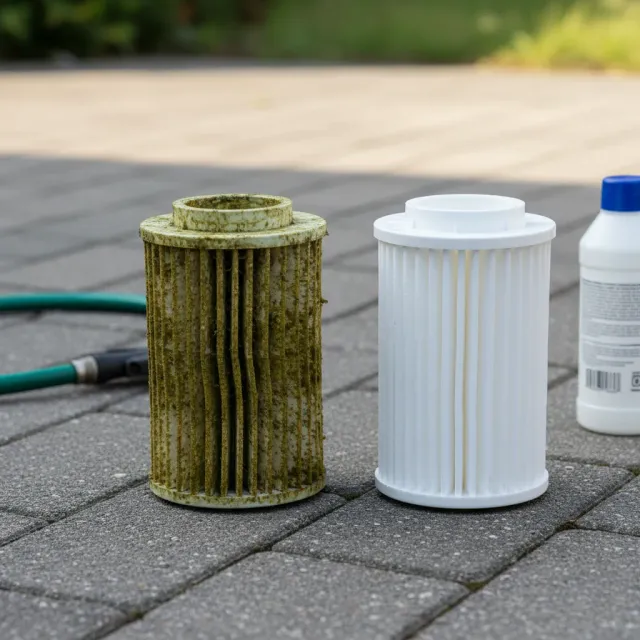
Dirty filters reduce water flow and create cloudy, unhealthy water. Clean filters weekly by rinsing with a garden hose and soak them monthly in specialized cleaning solutions. Replace filters every 12–18 months or when they show visible signs of wear.
Don't forget about your jets. Flush them regularly with a cleaning solution to eliminate debris and bacteria that accumulate in the jet systems over time.
Ignoring Water Chemistry and pH Balance
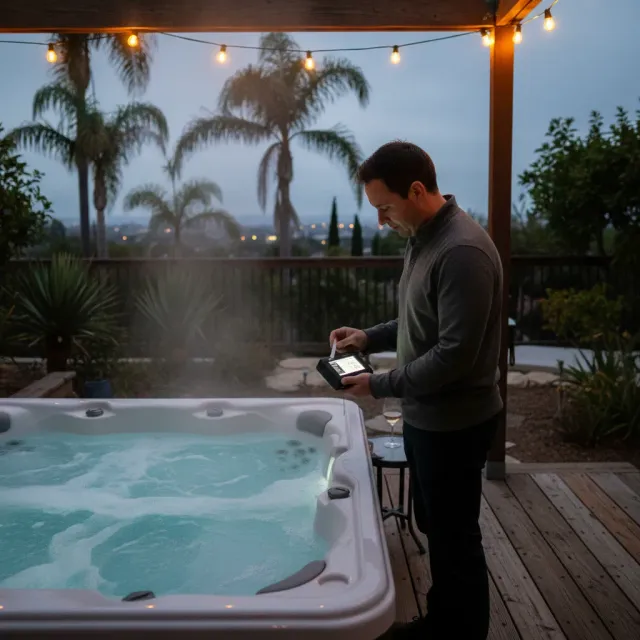
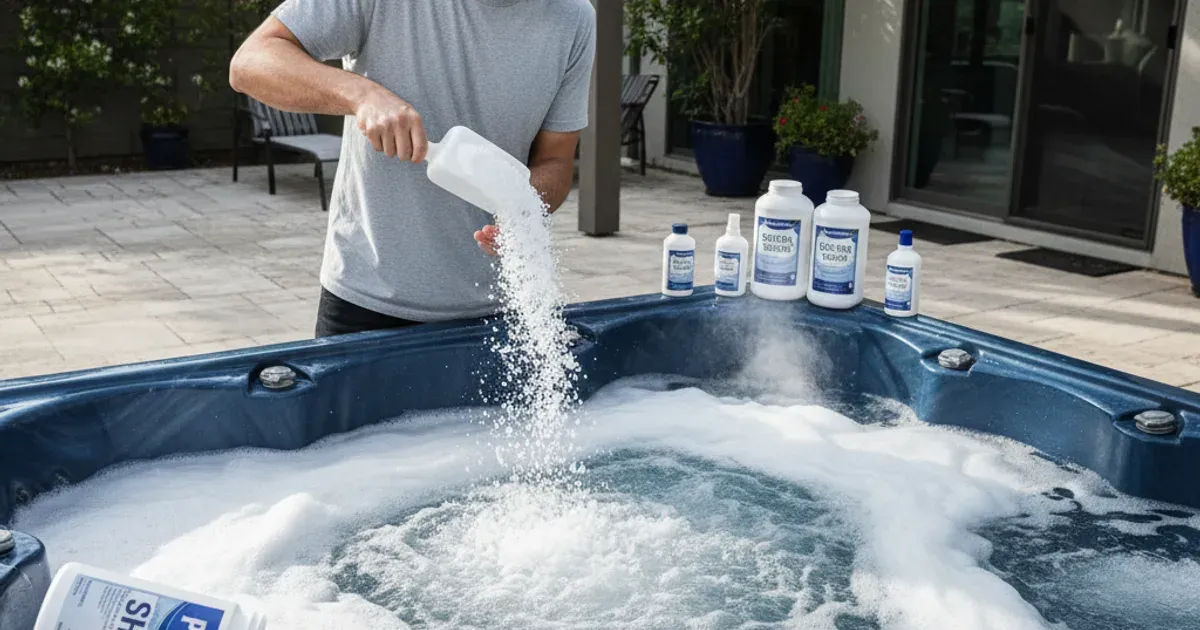
Maintain pH between 7.2–7.8 and alkalinity of 80–120 ppm for optimal water quality. Low pH corrodes equipment and irritates skin, while high pH causes scaling and reduces sanitizer effectiveness. Test water weekly using reliable test kits and shock your hot tub periodically to break down organic contaminants that regular sanitization misses.
Skipping Regular Draining and Refilling
Water accumulates oils, dissolved solids, and contaminants over time that chemicals alone cannot remove. Drain and refill your hot tub every three to four months to maintain fresh, clean water. Before draining, flush jets and plumbing with a pipe cleaner to remove biofilm buildup. After refilling, carefully rebalance water chemistry before using the tub.
Overlooking Small Maintenance Tasks
Small tasks make a big difference in preventing larger problems. Wipe the waterline weekly to prevent scum and mineral buildup. Clean and inspect your cover regularly to ensure it's maintaining proper insulation and not harboring mold or mildew. These simple habits take just minutes but prevent issues that could require hours of remediation or expensive professional intervention.
Why Professional Care Is Worth It
Professional services possess the proper tools and expertise for deep cleaning and water chemistry management. They can identify developing issues that homeowners often miss, saving both time and money in the long run. For complex problems or seasonal deep cleans, professional care provides peace of mind that the job is done right.
FAQ
Frequently asked questions
What cleaning products should I use for my hot tub?
Use spa-specific cleaners and sanitizers like chlorine or bromine. Avoid household cleaners like bleach or ammonia, which can damage surfaces and disrupt water chemistry.
How often should I clean my hot tub filters?
Rinse filters weekly with a garden hose, soak them monthly in a specialized filter cleaner, and replace them every 12-18 months.
How do I balance my hot tub water chemistry?
Monitor pH, alkalinity, and sanitizer levels weekly. Maintain pH between 7.2-7.8 and alkalinity of 80-120 ppm using reliable testing kits.
How often should I drain and refill my hot tub?
Every three to four months. Flush jets and plumbing before draining and carefully rebalance water chemistry after refilling.
Can I handle all hot tub maintenance myself?
Regular tasks like filter cleaning and water testing are manageable, but professional services are recommended for deep cleaning, complex water chemistry issues, and seasonal maintenance.

Kyle Bowman
Founder of PoolLogic · CPO-Certified
Kyle is the Founder of PoolLogic Pool Service and a Certified Pool Operator (CPO) with deep expertise in pool service, water chemistry, and pool equipment repair. He oversees every aspect of PoolLogic's operations to ensure San Diego pool owners receive expert-level care.
Read morePool service done right
Need professional pool service?
PoolLogic Pool Service provides expert pool cleaning, maintenance, and repair services throughout San Diego County.