
On this page
Why Pool Heater Maintenance Matters
A pool heater maximizes swimming pool usability, particularly during San Diego's cooler months. Consistent maintenance keeps heaters running efficiently and extends their lifespan, reducing repair and replacement costs. Whether you have a gas heater, heat pump, or solar pool heater, regular care ensures year-round optimal performance.
Routine maintenance serves multiple critical purposes:
- Energy Efficiency: Well-maintained heaters consume less energy, lowering operating costs.
- Consistent Performance: Proper care prevents unexpected breakdowns and ensures steady heating.
- Longer Lifespan: Regular inspections and cleaning reduce wear and tear, prolonging equipment life.
- Cost Savings: Preventative maintenance helps catch minor issues before escalation into expensive repairs.
Understanding Your Pool Heater
Gas Pool Heaters
Gas heaters burn natural gas or propane to heat water. They are effective for quick heating and ideal for pools used sporadically.
Heat Pumps
Heat pumps draw warmth from surrounding air and use electricity to transfer heat to pools. They are energy-efficient and work best in moderate climates like San Diego.
Solar Pool Heaters
Solar heaters use sun energy to warm water. They are eco-friendly and cost-effective long-term, but depend on sufficient sunlight.
Each type requires unique maintenance, though some general principles apply universally.
Essential Pool Heater Maintenance Tips
1. Clean and Inspect the Filters
Clogged filters restrict water flow, forcing heaters to work harder and reducing efficiency. Regular filter checks and cleaning ensure proper water circulation. Dirty filters commonly cause heater malfunctions.
2. Monitor and Balance Water Chemistry
Unbalanced water chemistry leads to scaling, corrosion, or mineral buildup in heater components. Regular water testing maintains appropriate pH, alkalinity, and calcium hardness levels. Balanced water prevents damage to heaters and other pool equipment.
3. Check for Leaks
Leaks around pool heaters indicate worn seals, cracked components, or loose connections. Immediate leak treatment prevents further damage. Regular inspections catch issues early, saving costly repairs.
4. Inspect the Burner and Ignition System (Gas Heaters)
Gas pool heaters require clean, debris-free burners. Clogged burners reduce heating efficiency and cause uneven heating. Additionally, checking ignition systems and pilot lights ensures proper function.
5. Maintain the Heat Exchanger
The heat exchanger transfers heat to water and is critical to heater function. Over time, mineral buildup or corrosion reduces efficiency. Regular cleaning with descaling solutions prevents buildup and ensures optimal performance.
6. Protect Against Environmental Damage
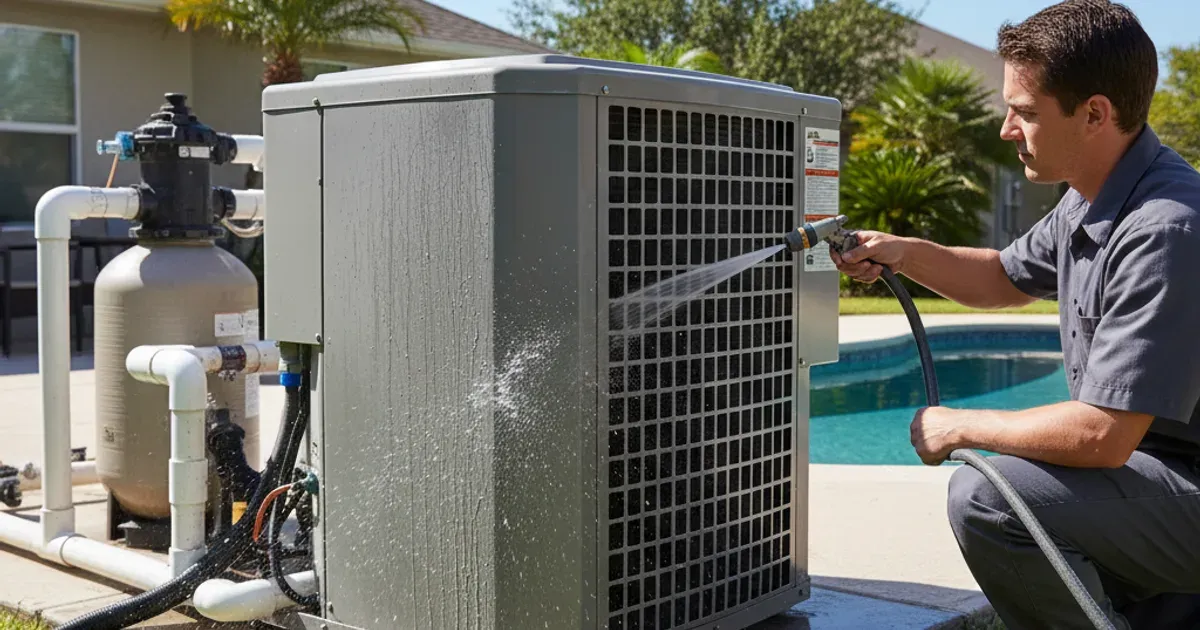
San Diego's mild climate is gentle on equipment, but debris, rain, or salt air still affects pool heaters. Weatherproof covers protect heaters from dirt and moisture when not in use.
7. Schedule Annual Professional Servicing
While DIY maintenance is essential, professional inspections at least annually ensure excellent condition. Certified technicians identify hidden issues, clean internal components, and ensure safe, effective operation.
Troubleshooting Common Pool Heater Problems
Water Not Heating Properly
- Possible Causes: Clogged filters, insufficient gas supply, or malfunctioning thermostat.
- Solution: Clean filters, check gas lines, and inspect thermostat settings. Contact professionals if problems persist.
Unusual Noises
- Possible Causes: Loose components, mineral buildup, or debris in systems.
- Solution: Tighten loose parts, clean heaters, and descale heat exchangers if necessary.
Error Codes on Digital Display
- Possible Causes: Sensor malfunctions, electrical issues, or low flow rates.
- Solution: Refer to heater manuals for error decoding. Contact technicians if issues aren't quickly resolved.
Benefits of Professional Maintenance and Repairs
While DIY maintenance addresses many issues, some tasks require professional expertise:
- Expert Diagnostics: Professionals quickly identify problem root causes and recommend effective solutions.
- Safe Repairs: Gas and electrical systems require specialized knowledge for safe handling.
- Efficiency Optimization: Technicians fine-tune heaters to ensure peak performance.
- Warranty Protection: Many manufacturers require professional servicing to maintain warranty coverage.
How to Extend the Life of Your Pool Heater
To maximize your investment, combine regular maintenance with best practices:
- Clean filters and components frequently.
- Balance pool water chemistry to prevent damage.
- Use pool covers to reduce heat loss and protect heaters from debris.
- Schedule annual servicing to catch potential issues early.
FAQ
Frequently asked questions
What are the signs my pool heater needs repair?
Signs include inconsistent or insufficient heating, strange noises like clanging or hissing, visible water leaks around units, or error codes on control panels. Unexpectedly spiked energy bills may also indicate inefficient heater operation.
How much does pool heater repair cost in San Diego?
Our pool heater repairs in San Diego run $150 to $600, depending on heater type and issue extent. Minor fixes like thermostat replacement or component cleaning are more affordable, while electrical faults or heat exchanger problems cost more.
How long does it take to repair a pool heater?
Most pool heater repairs take a few hours to a full day, depending on problem complexity. Simple maintenance like burner cleaning or small part replacement completes quickly, while significant issues requiring replacement parts or extensive diagnostics take longer.
Should I repair or replace my pool heater?
The choice depends on heater age and repair costs. If heaters are less than 7-10 years old and repairs are reasonable, repair is usually best. However, if units are older or repair costs exceed 50% of new heater prices, replacement may be a better investment.
Can I repair my pool heater myself?
While some tasks like filter cleaning or pilot light replacement are homeowner-friendly, most repairs involve gas or electrical systems requiring professional expertise. DIY repairs on these systems are dangerous and may void warranties.
How much does it cost to install a new pool heater?
Our new pool heater installations in San Diego run $3,950 to $8,000, depending on heater type, pool size, and installation complexity. Gas heaters have lower upfront costs, while heat pumps and solar heaters have higher initial costs but better energy efficiency.
What's the best type of pool heater for San Diego's climate?
Heat pumps and solar heaters excel in San Diego's mild climate. Heat pumps are energy-efficient and work in moderate temperatures, while solar heaters leverage abundant sunshine for eco-friendly heating. Gas heaters work well for quick, reliable heating during cooler months.
How often should I service my pool heater?
Pool heaters should be serviced at least annually to maintain efficiency and identify potential issues early. Annual maintenance includes filter cleaning, component inspection, and ensuring safe, effective gas and electrical system function.
Why is my pool heater not heating properly?
Common causes include clogged filters, malfunctioning thermostats, scaling inside heat exchangers, or low water flow. Electrical issues like faulty wiring or insufficient gas supply also prevent proper heating. Professional diagnostics identify root causes.
How can I extend the life of my pool heater?
Perform regular maintenance including filter cleaning and water chemistry monitoring. Inspect for leaks or corrosion. Use weatherproof covers to protect heaters from environmental damage when not in use. Schedule annual professional servicing.

Kyle Bowman
Founder of PoolLogic · CPO-Certified
Kyle is the Founder of PoolLogic Pool Service and a Certified Pool Operator (CPO) with deep expertise in pool service, water chemistry, and pool equipment repair. He oversees every aspect of PoolLogic's operations to ensure San Diego pool owners receive expert-level care.
Read morePool service done right
Need professional pool service?
PoolLogic Pool Service provides expert pool cleaning, maintenance, and repair services throughout San Diego County.